Project Archive

Restoration, design, and implementation work

Restoration 1994-2002

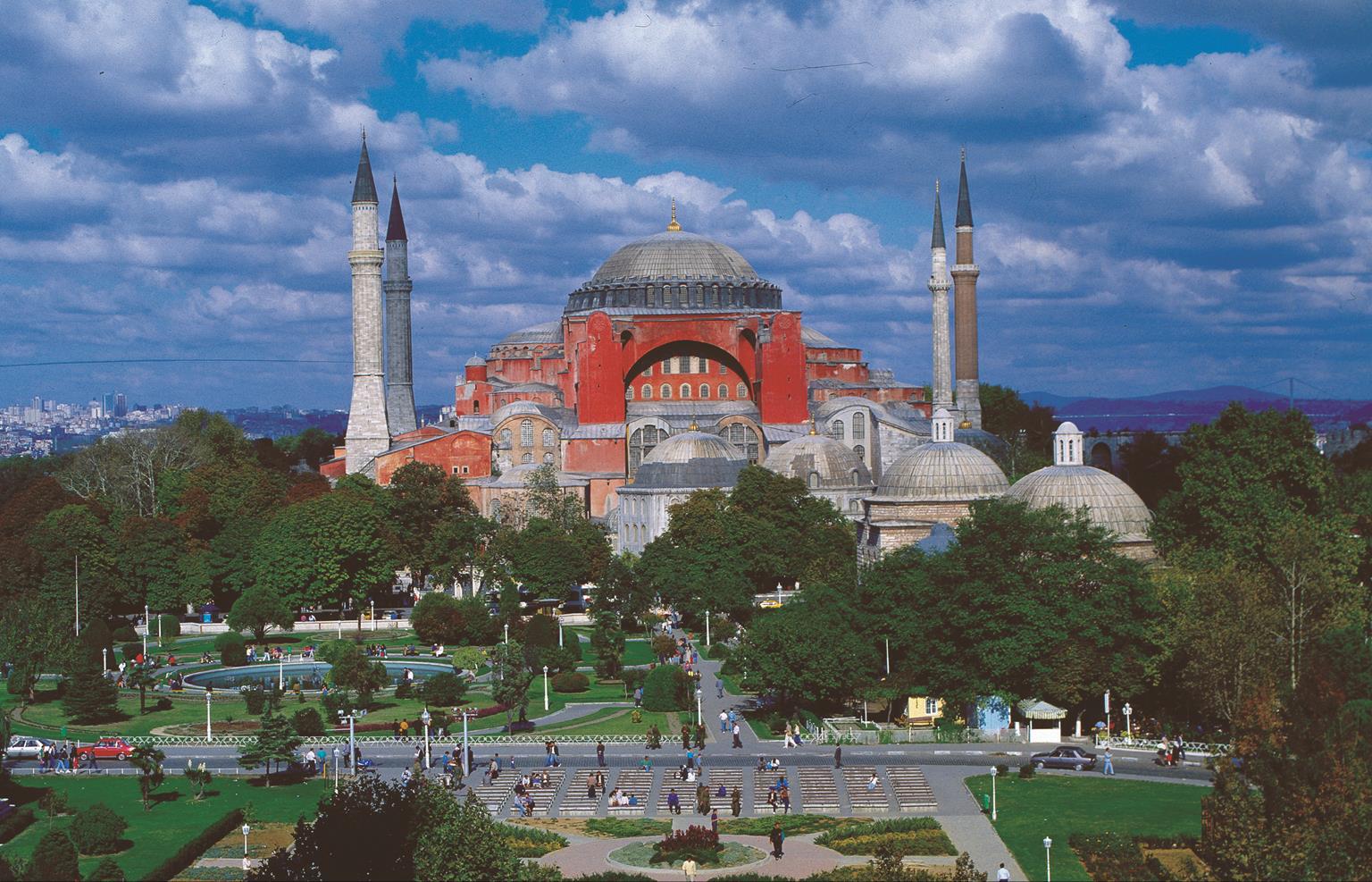
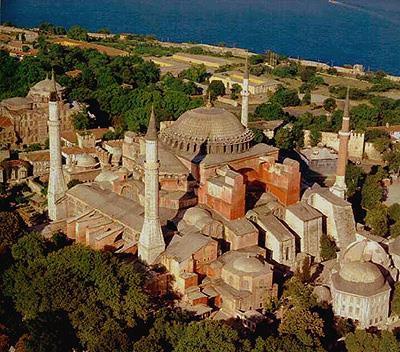
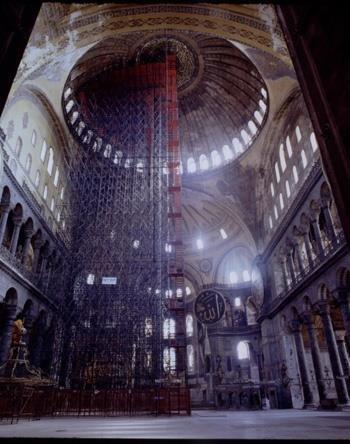
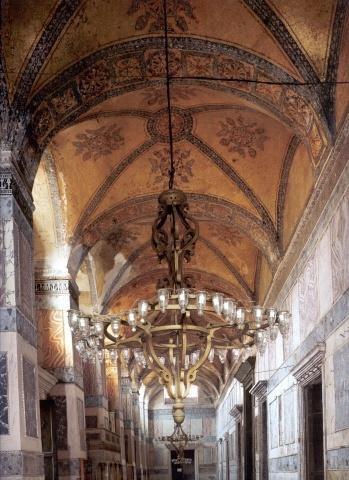
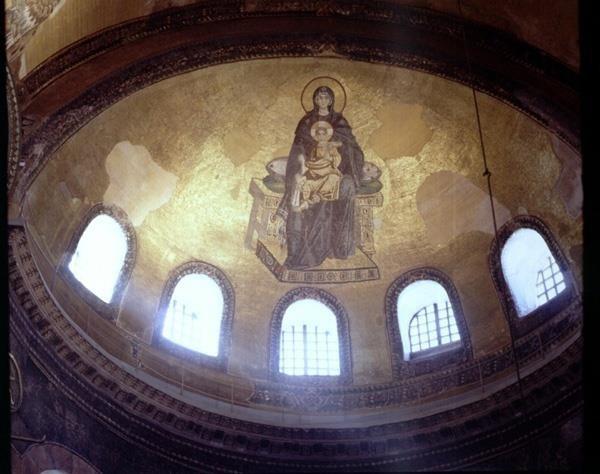
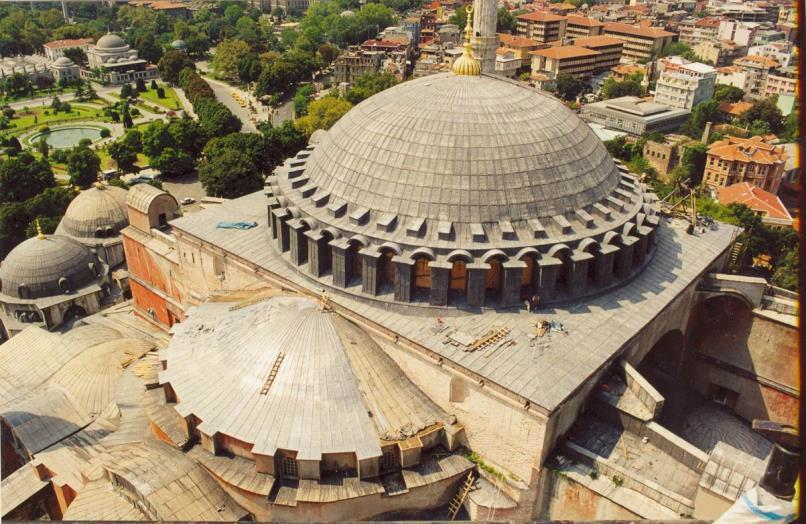
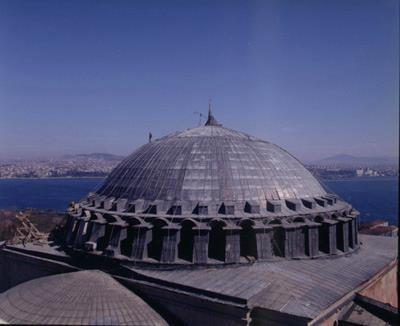
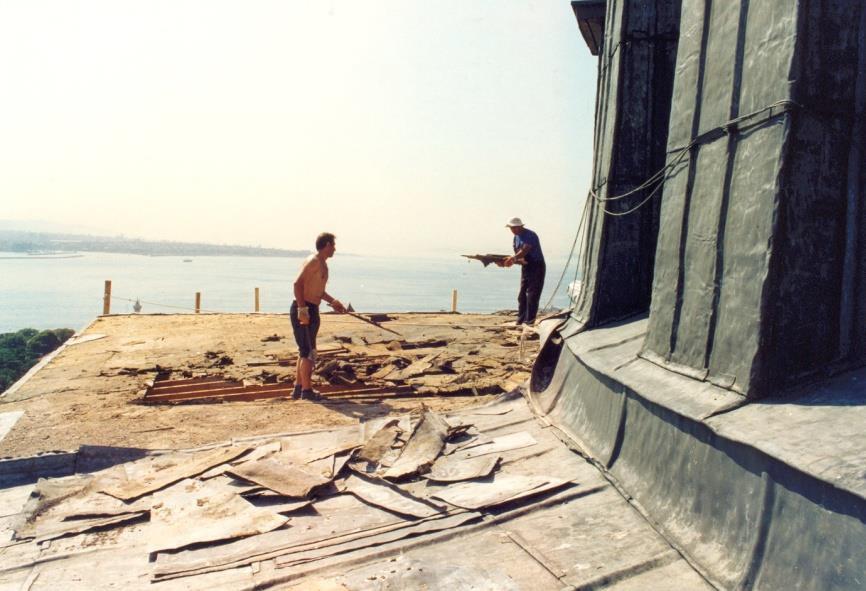
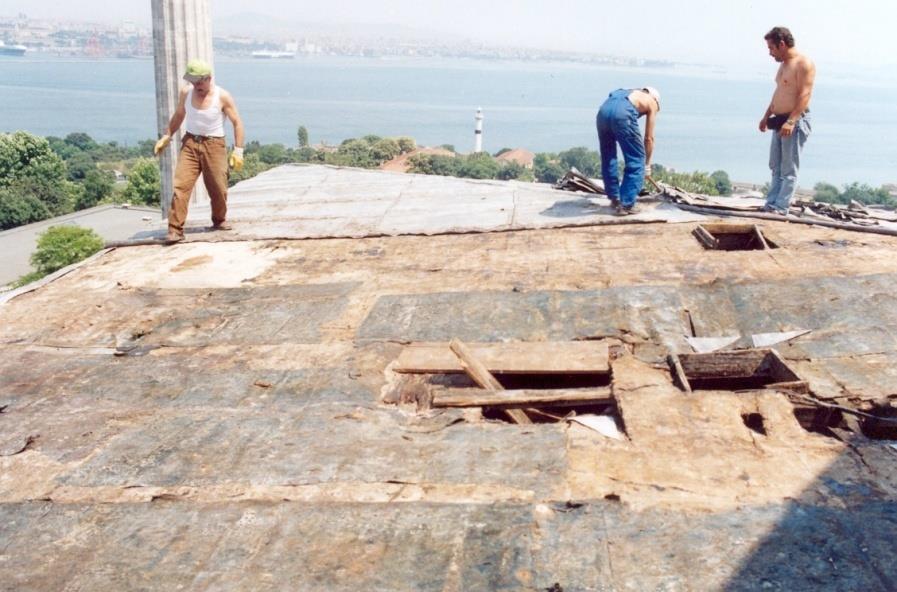
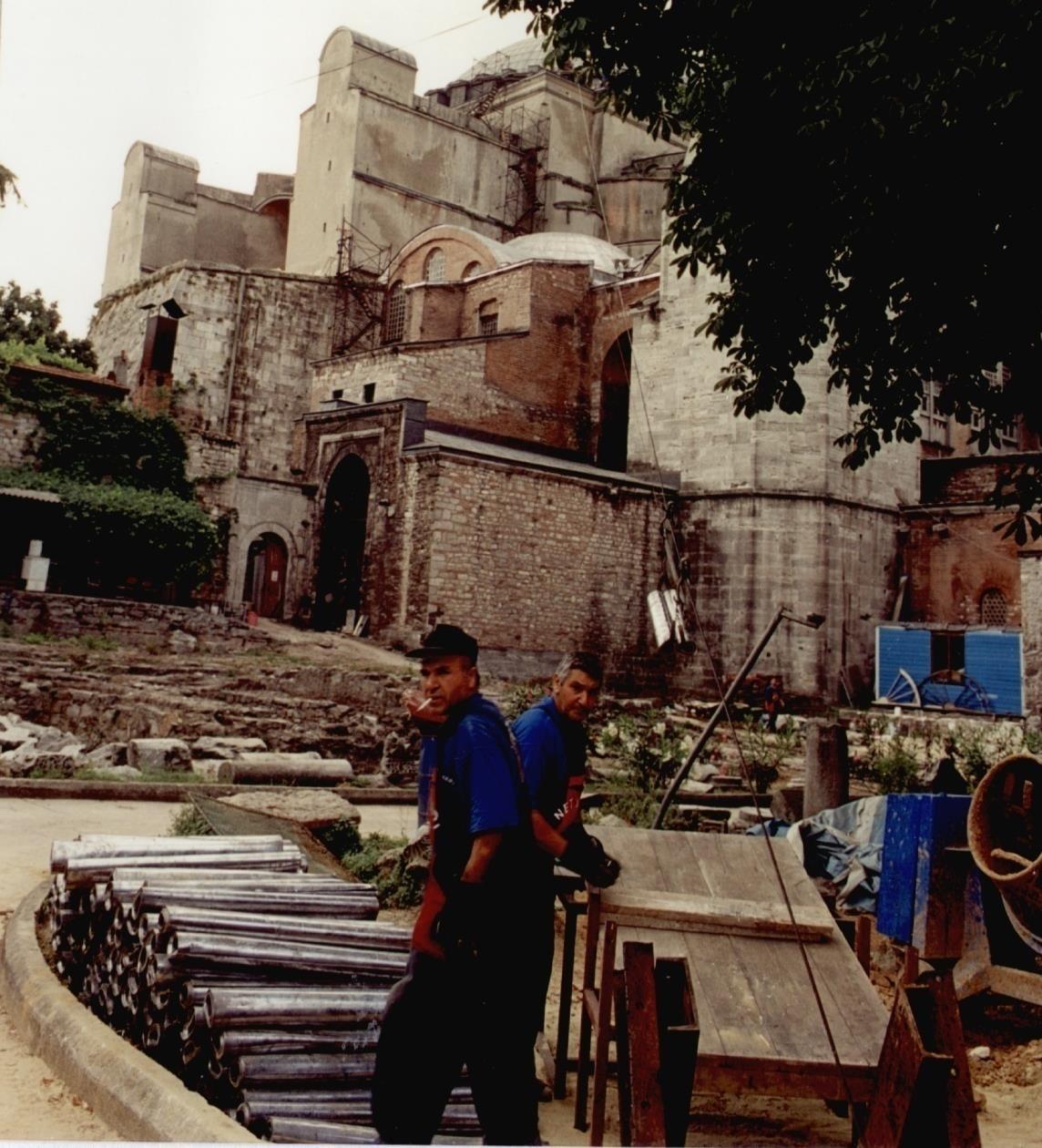
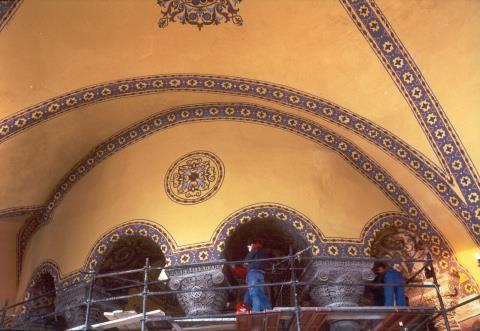
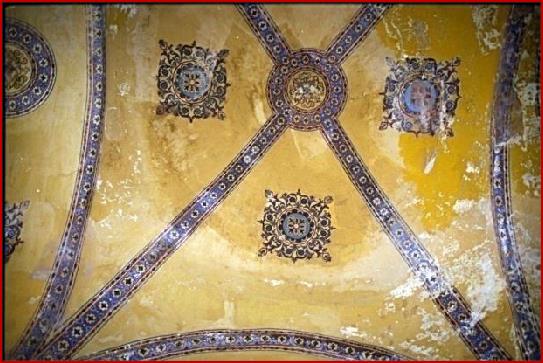
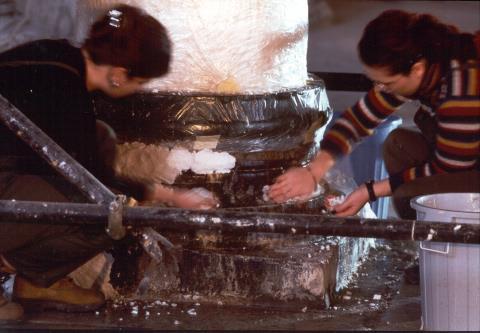
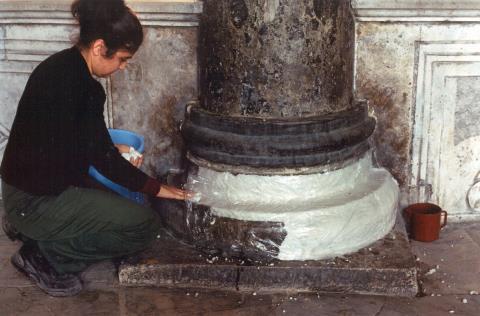
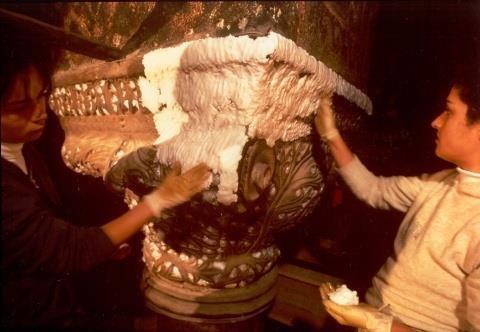
Hagia Sophia Museum Restoration

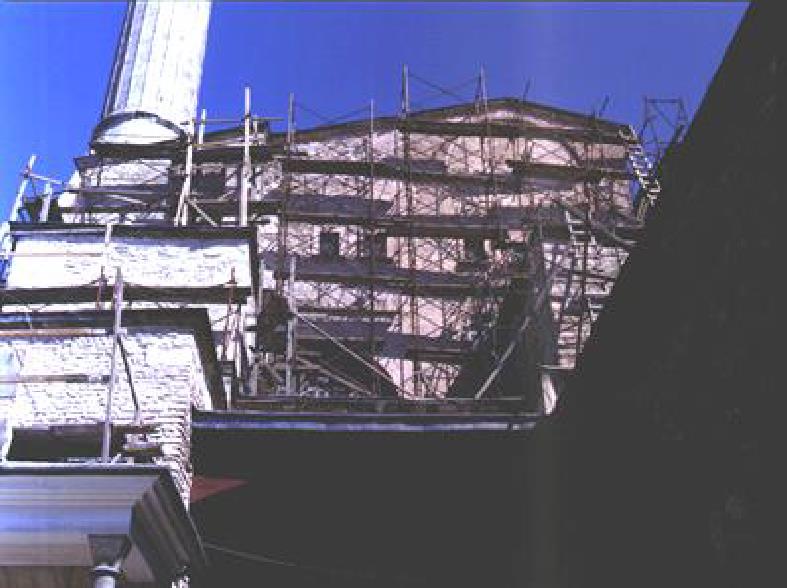
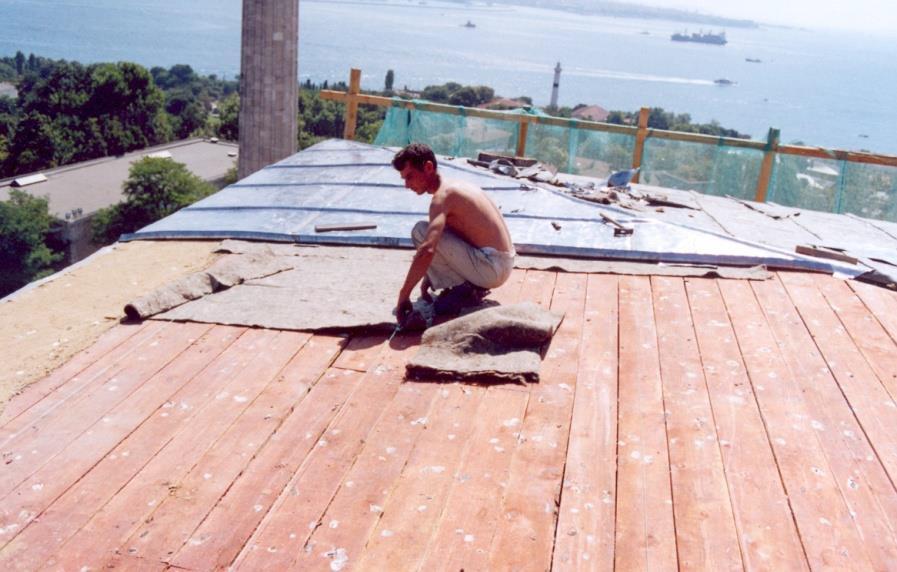
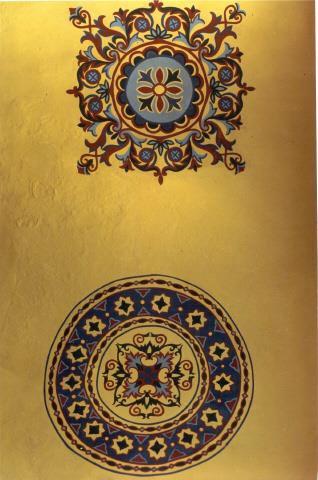
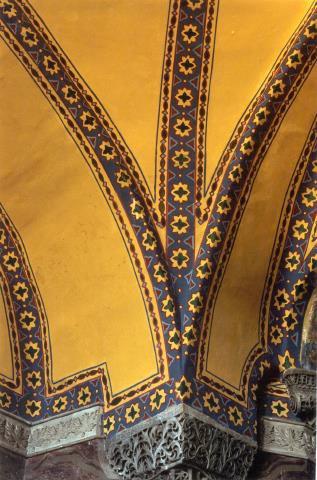
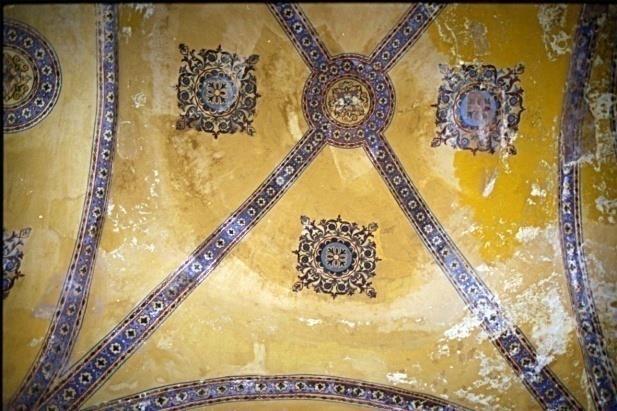
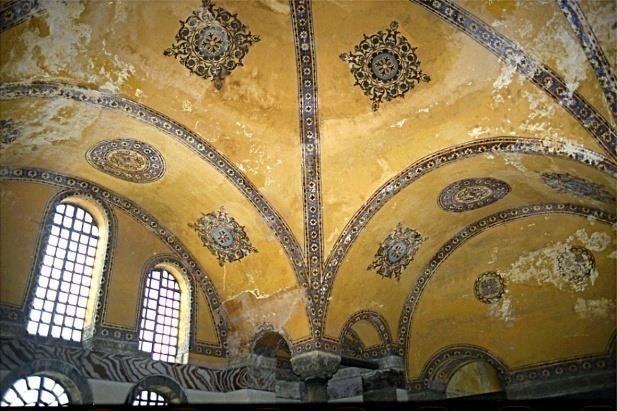
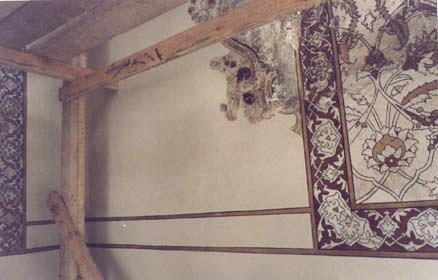
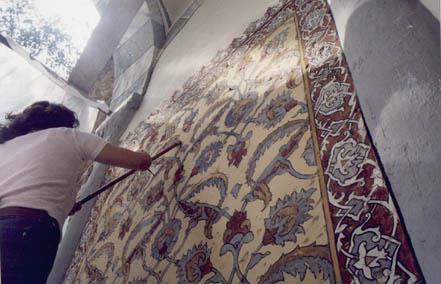
The first building was constructed in AD 360. Rebuilt under Emperor Justinian, it has survived to the present day. Lead elements on the dome were renewed, interior and exterior fabric was conserved, and works included painted decoration restoration, chemical cleaning of marble surfaces, renewed lead cladding, and facade repairs.

  • Sultanahmet, Istanbul
  • Ministry of Culture and Tourism

Restoration 1995-2008

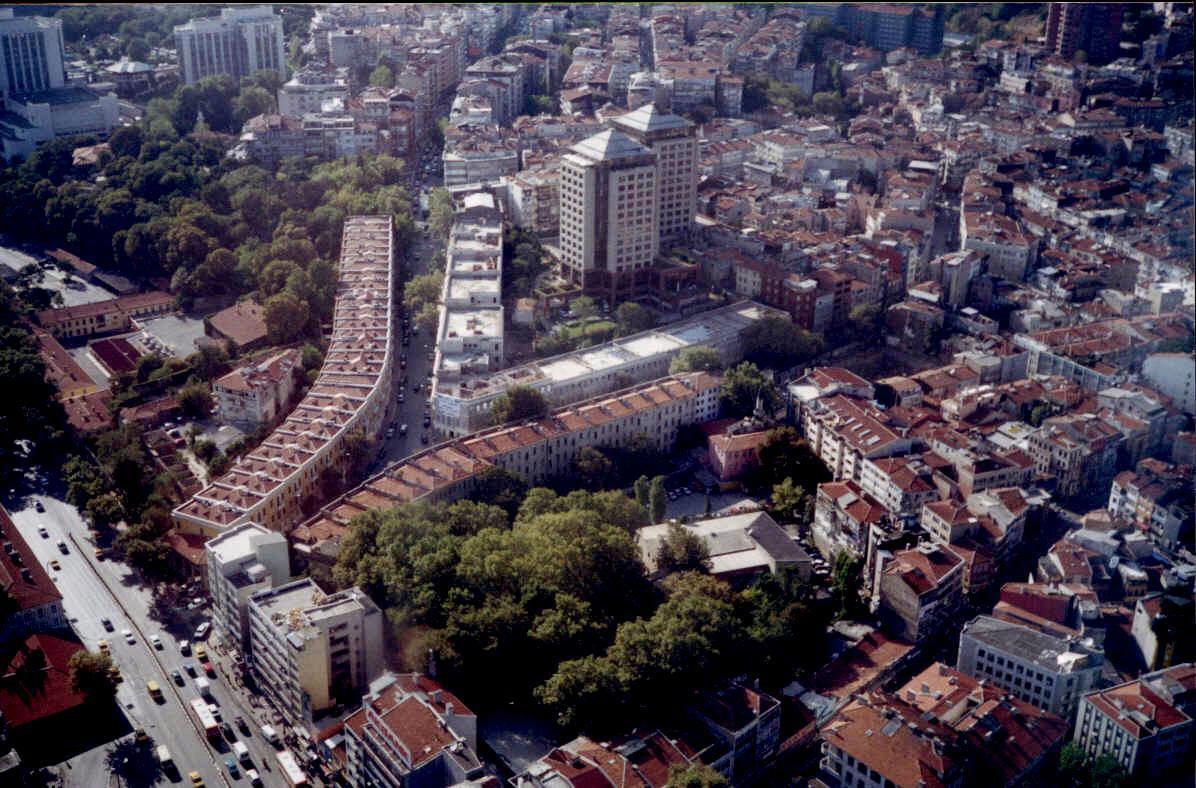
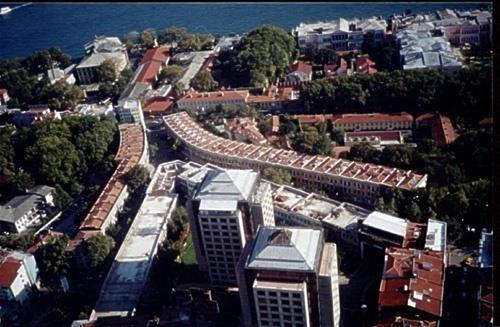
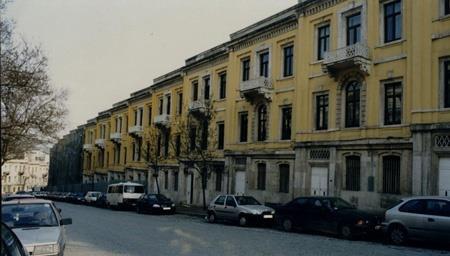
Akaretler Row Houses Restoration

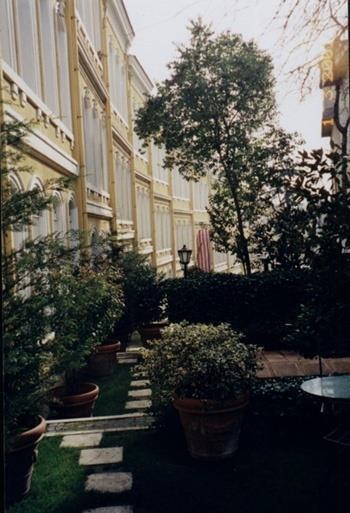
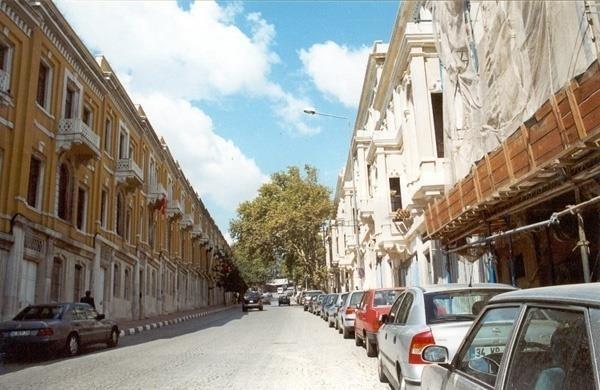
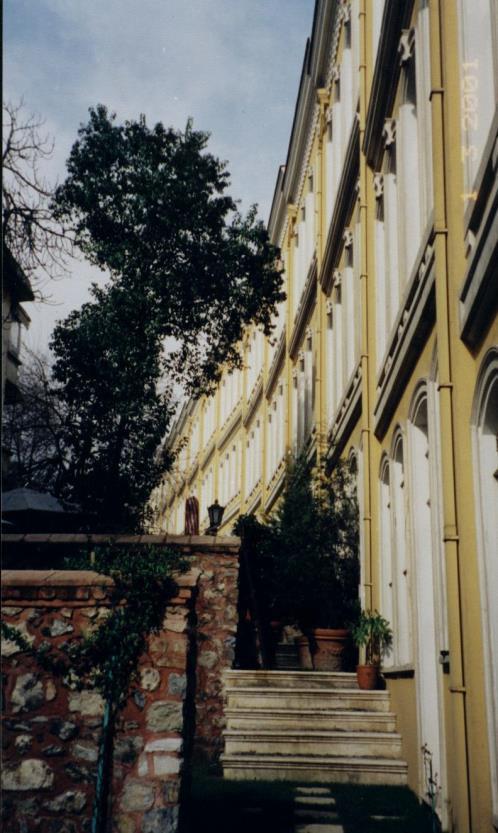
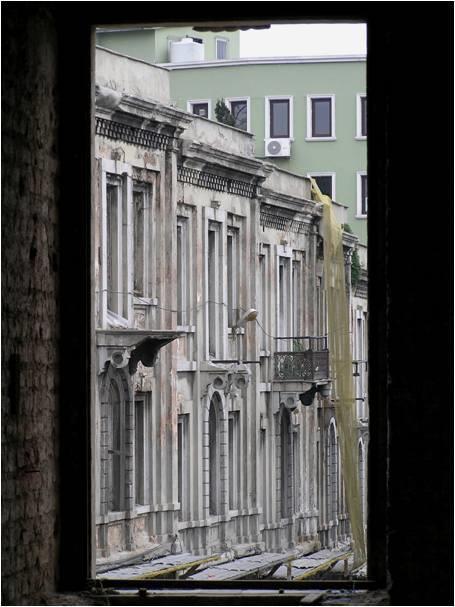
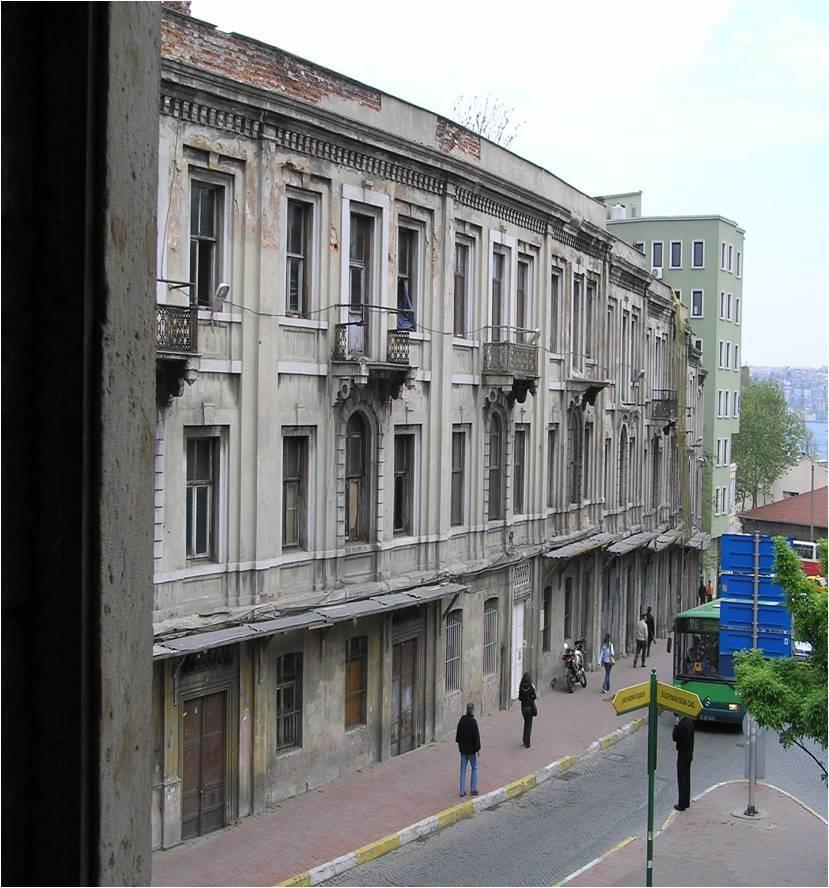
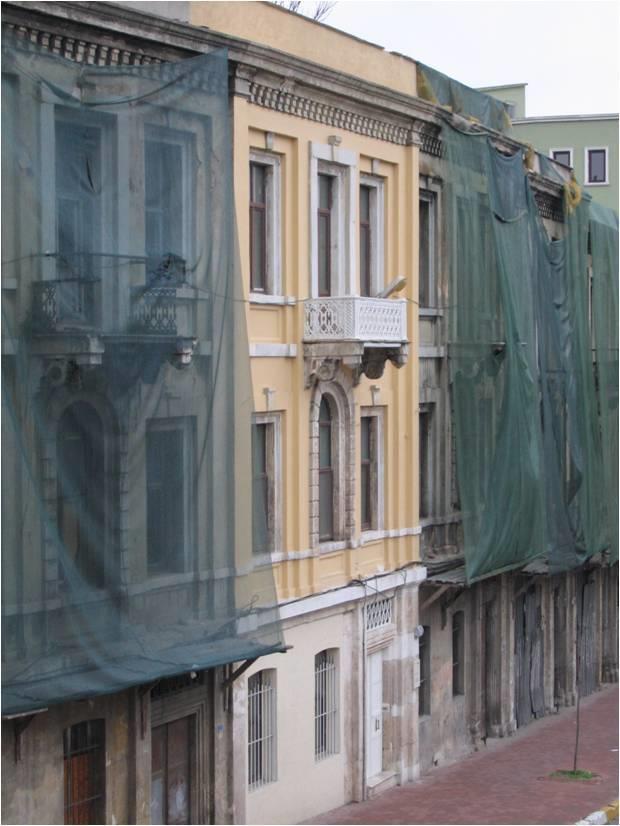
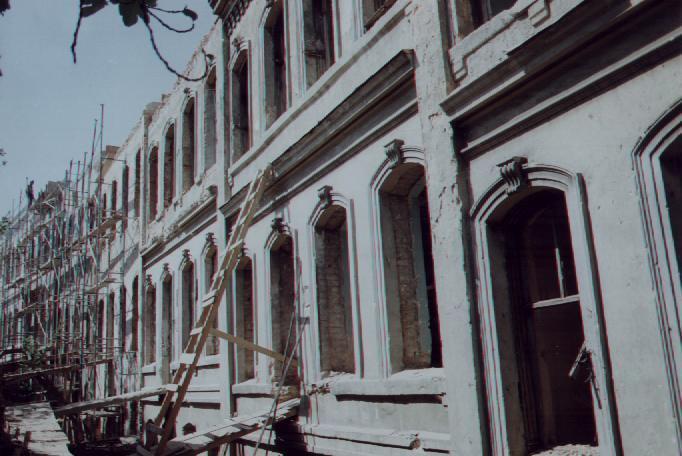
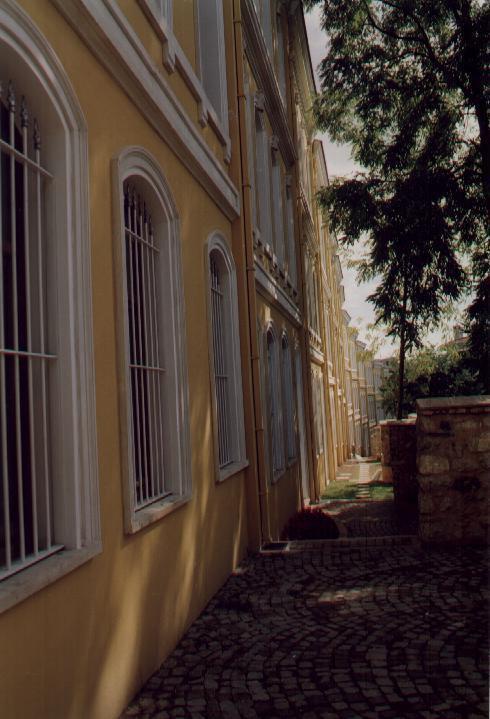
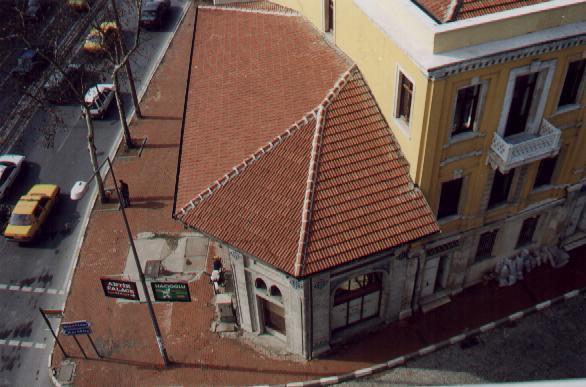
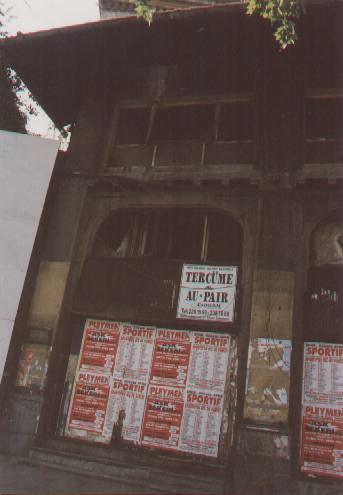
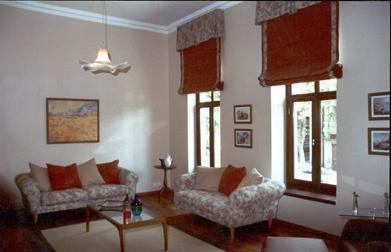
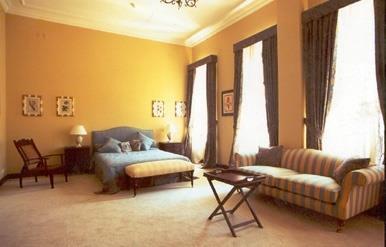
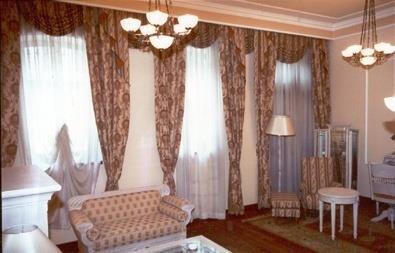
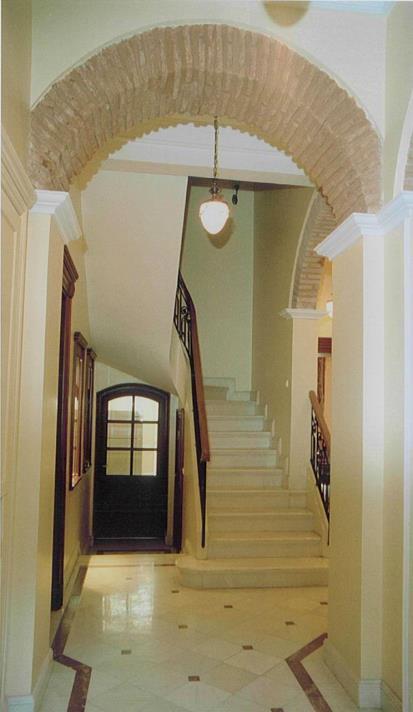
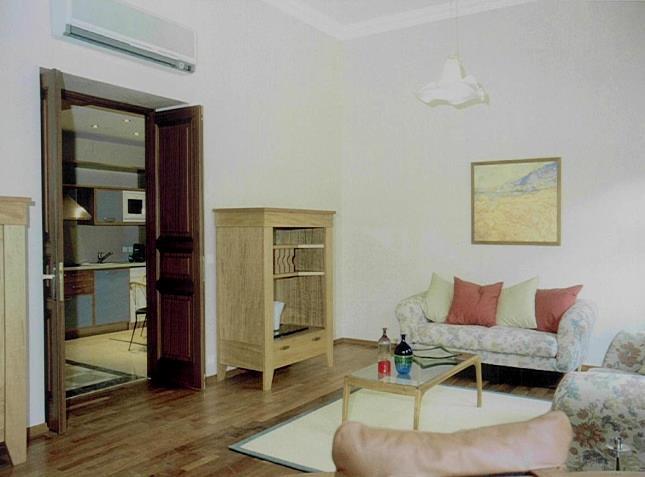
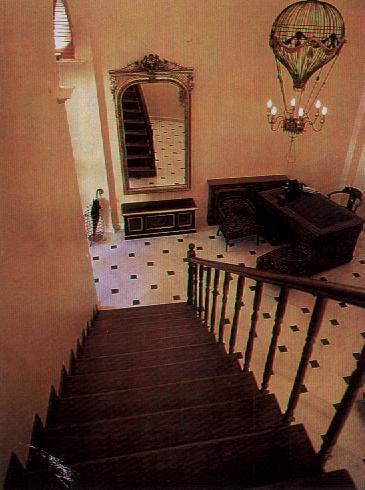
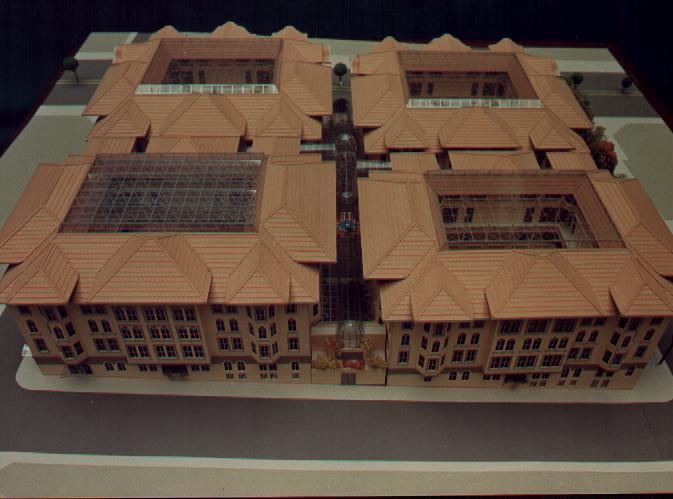
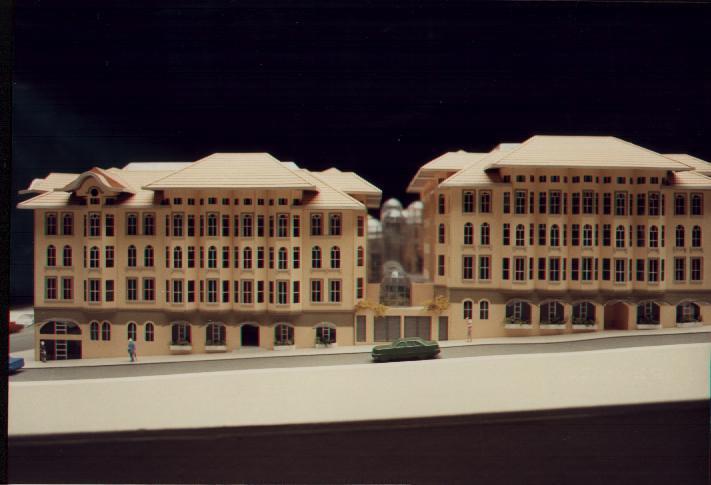
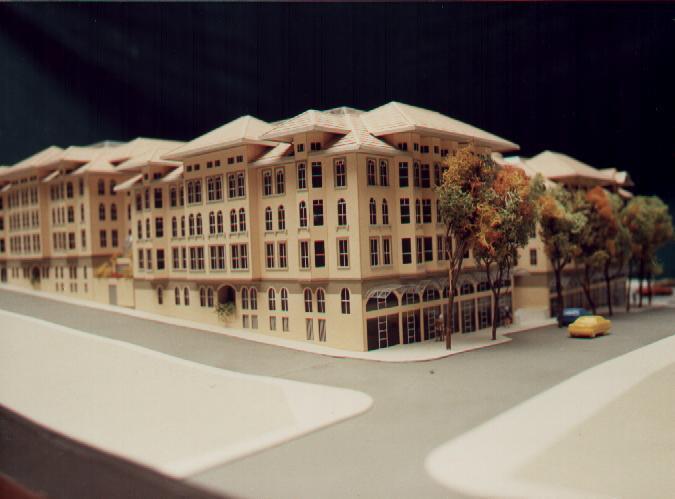
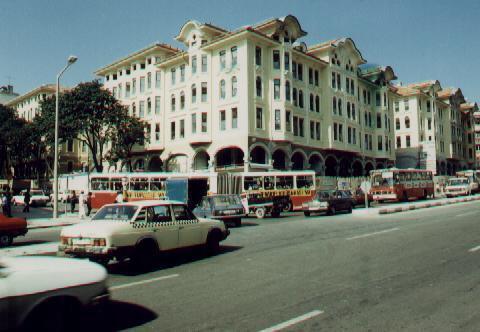
The exterior facades were consolidated in fidelity to the originals, while the interiors were restored to suit the new function without altering the load-bearing system. The first phase, Block A, was completed in 1998 by architect Münir Alpaslan. Following a further round of repairs in 2005, the Akaretler row houses now accommodate 56 residences of varying sizes, 34 shops across a total of 11,000 m2, 8 cafe-restaurants, and the W Hotel.

  • Beşiktaş, Istanbul

Restoration 2000, 2002, 2007

Museum of Turkish and Islamic Arts Restoration

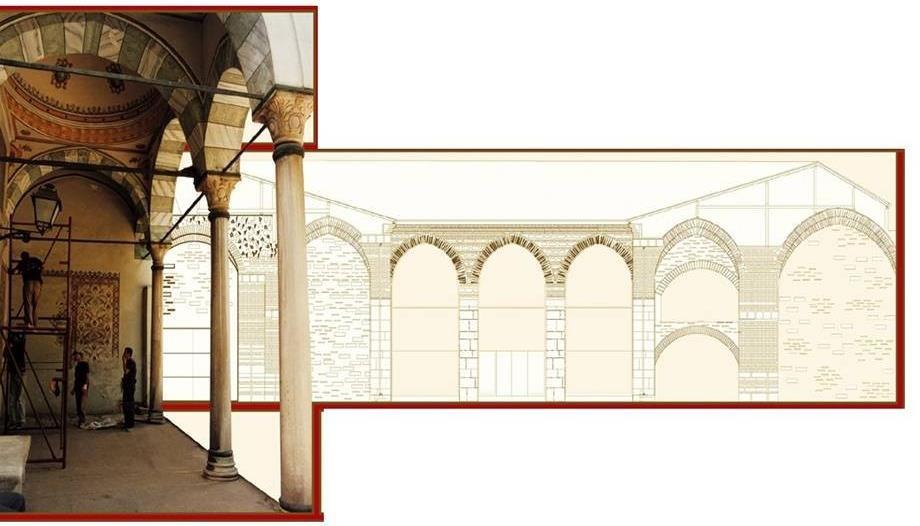
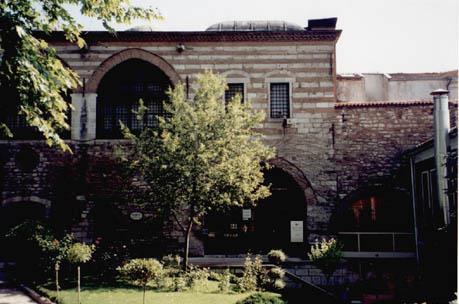
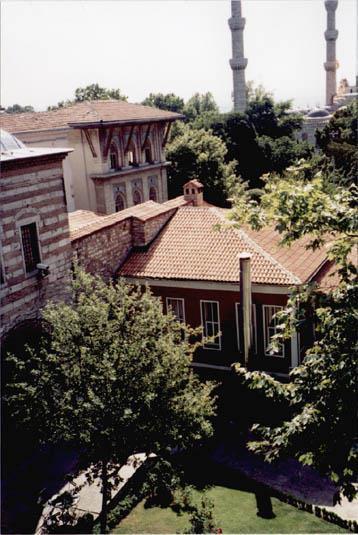
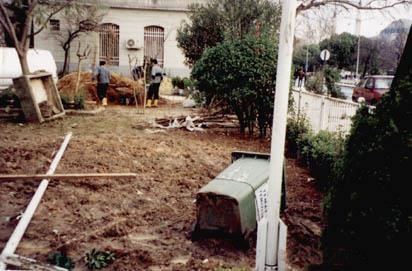
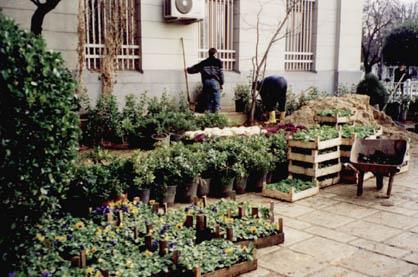
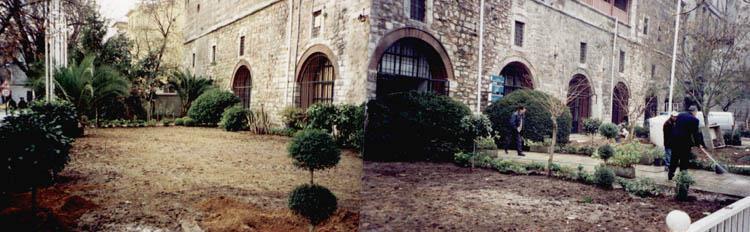
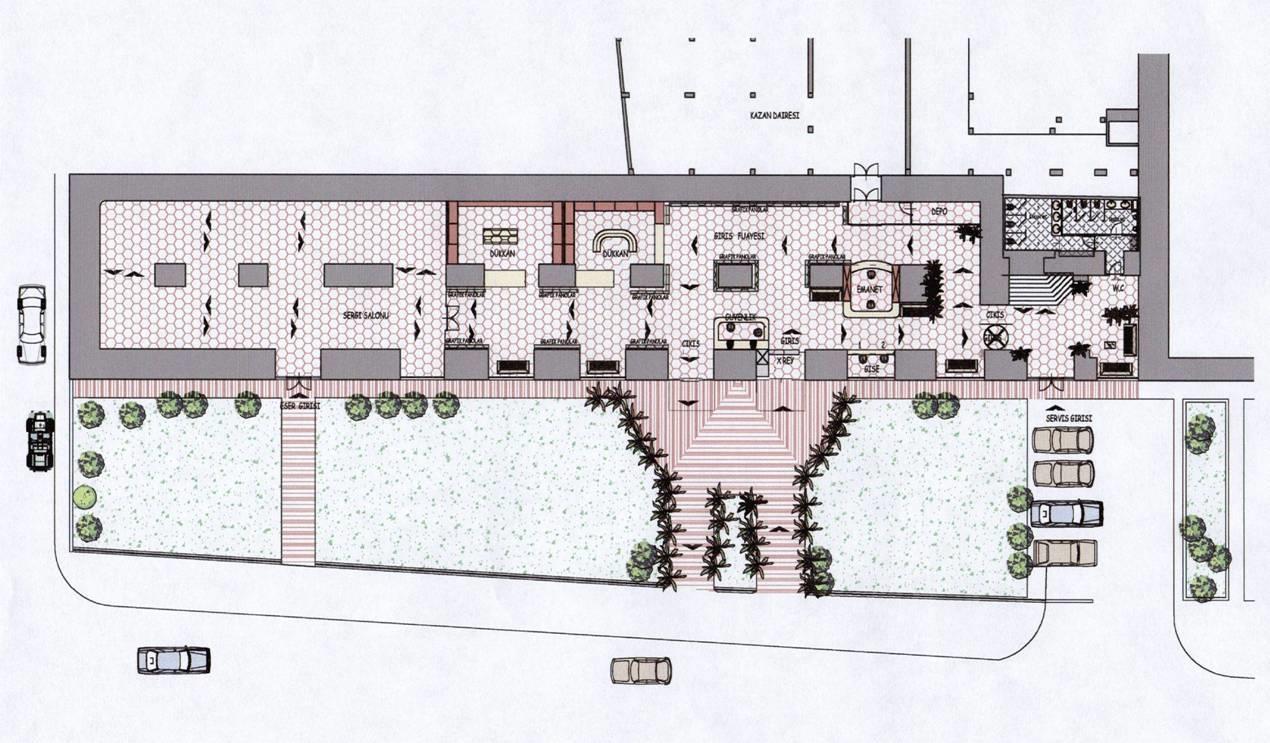
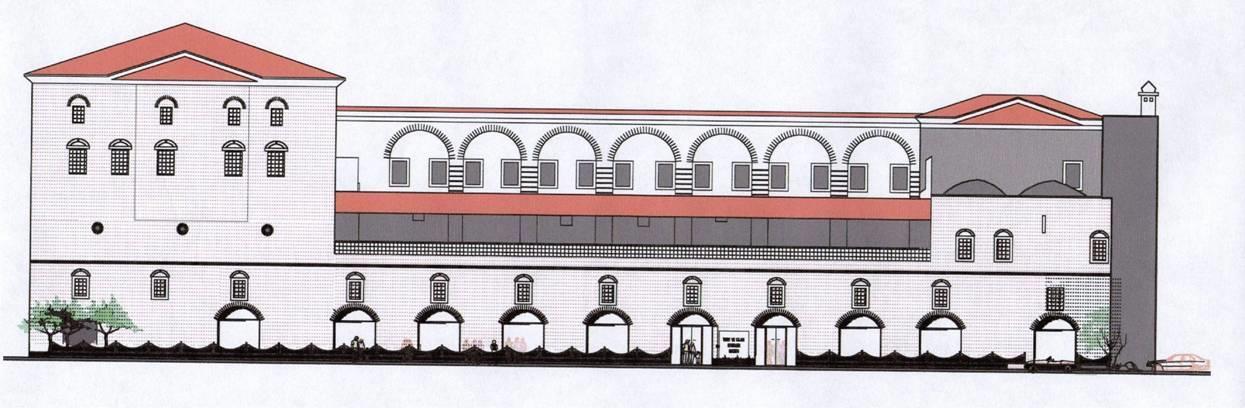
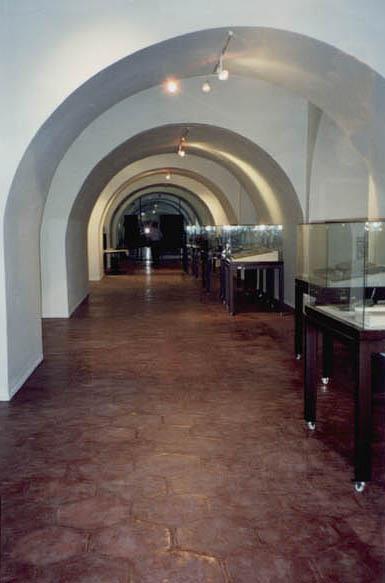
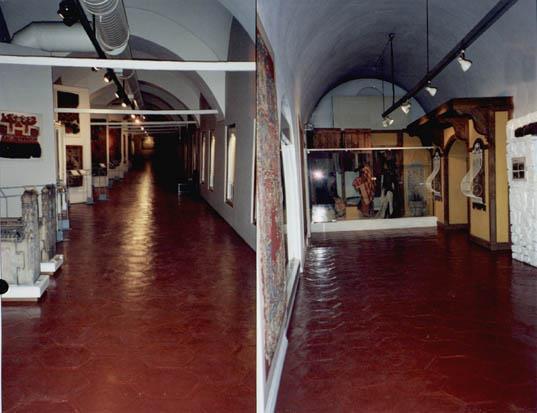
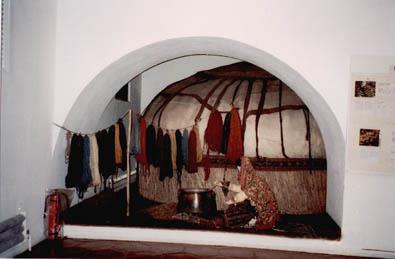
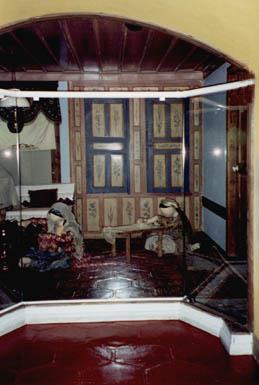
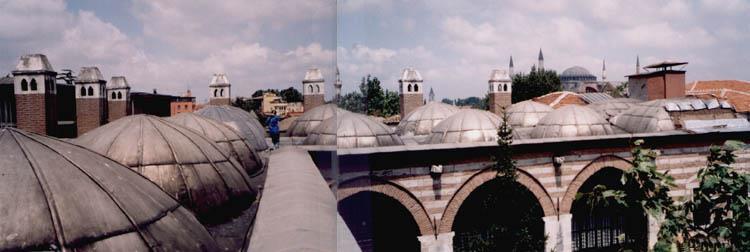
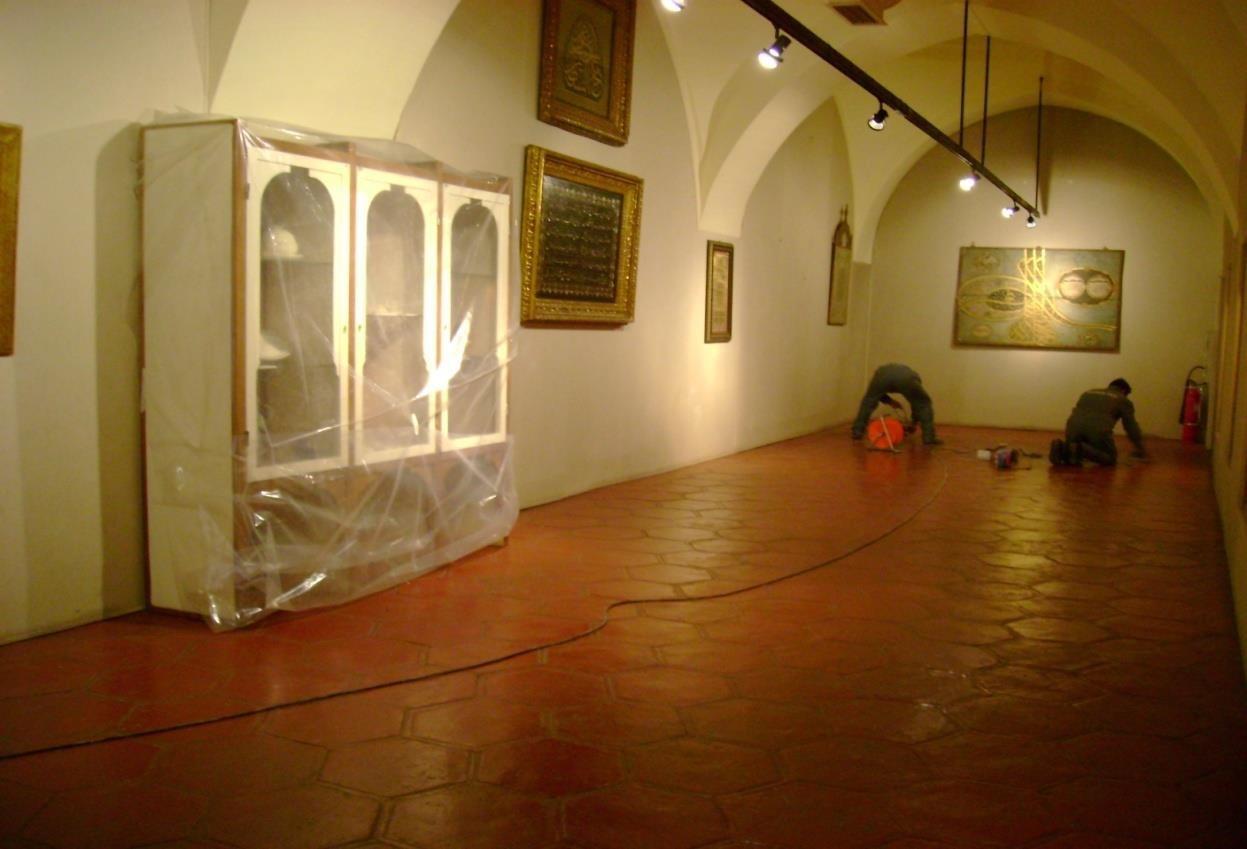
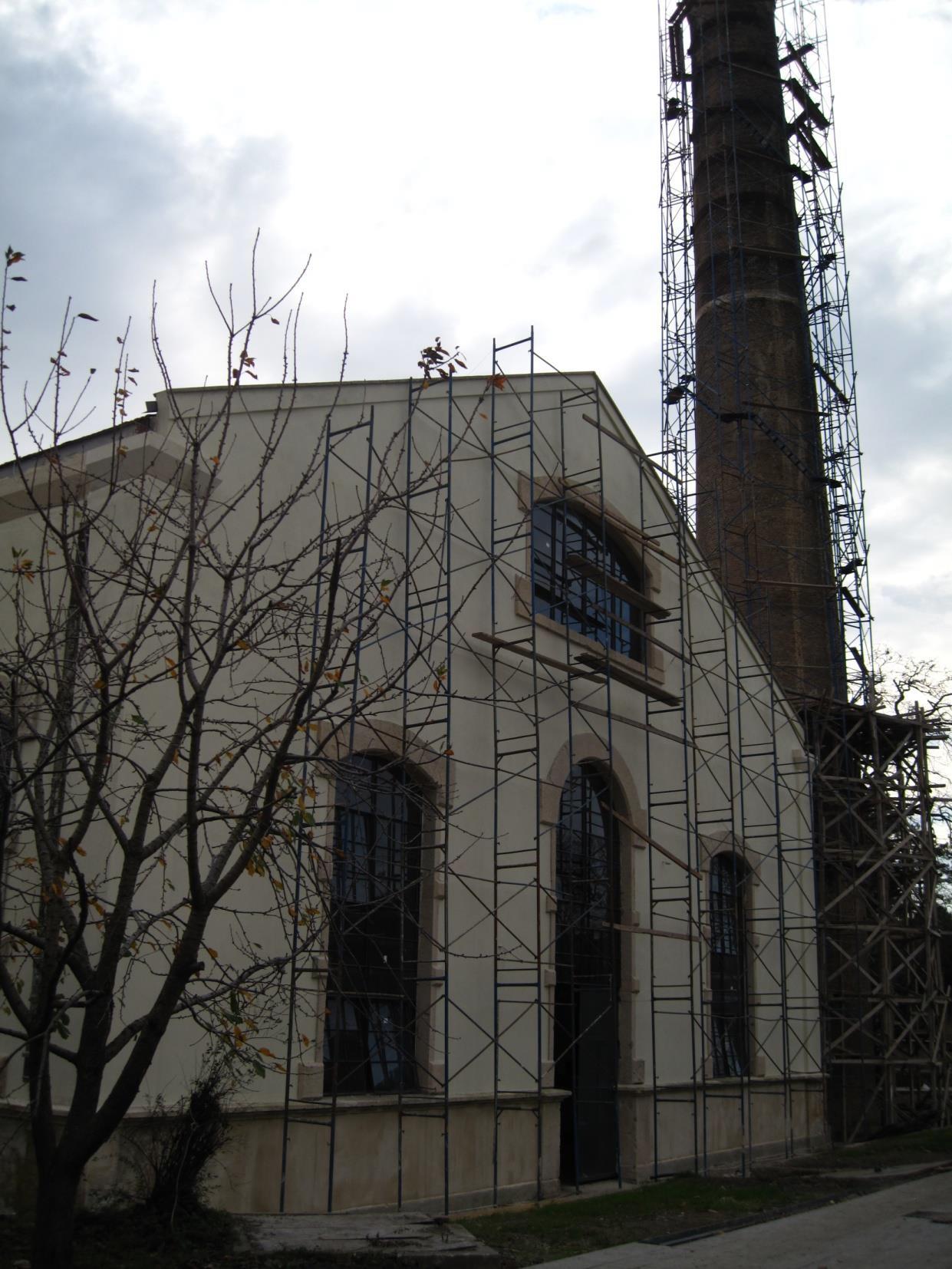
As part of repair works spanning different years for the Museum of Turkish and Islamic Arts, interior fit-out, exhibition, and infrastructure renewal works were carried out. Throughout the interventions, the operational needs of the museum were addressed while prioritizing preservation of the original structure and combining modern materials with contemporary implementation techniques.
  • Sultanahmet, Istanbul
  • Ministry of Culture Revolving Fund Operations

Restoration 2002

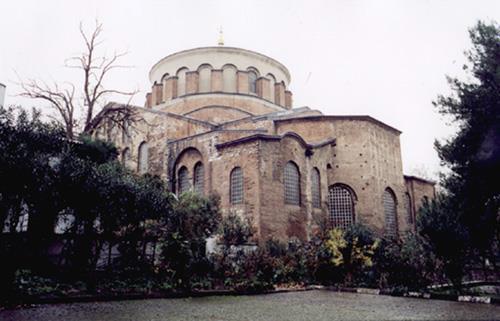
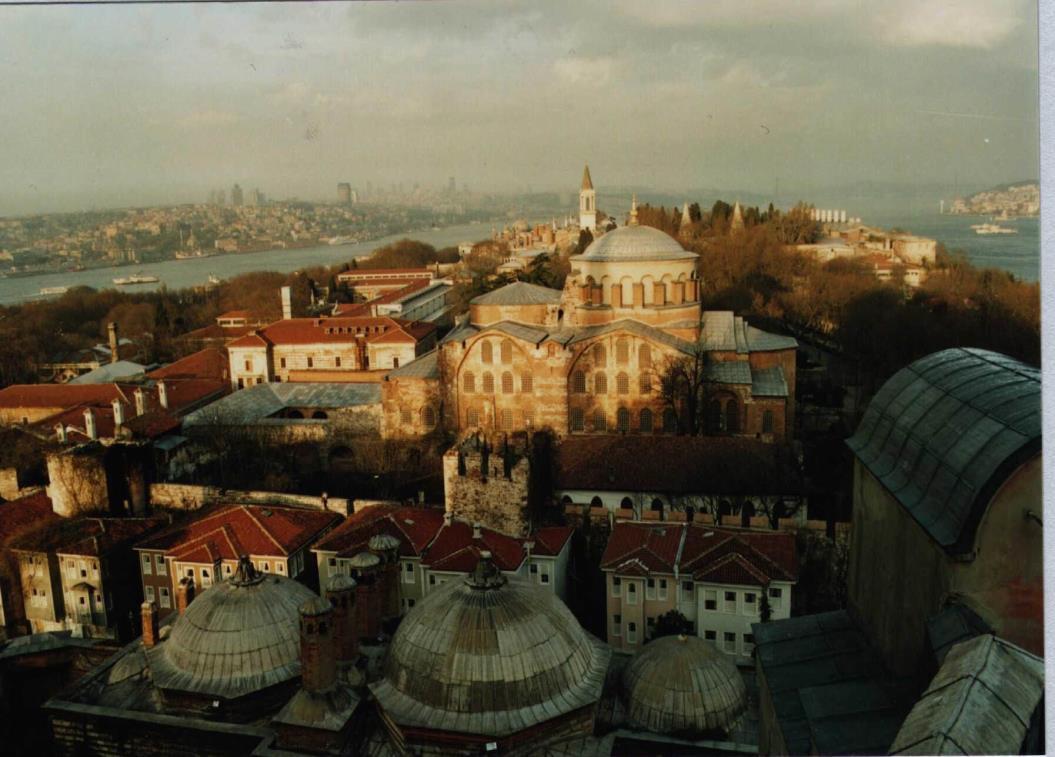
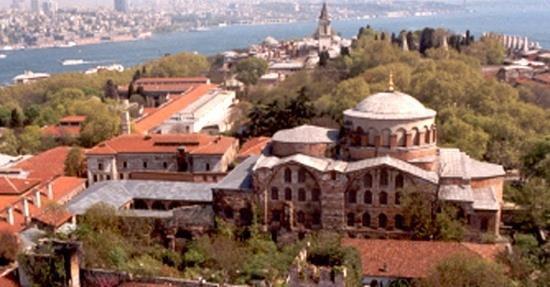
Istanbul Hagia Irene Museum Repairs

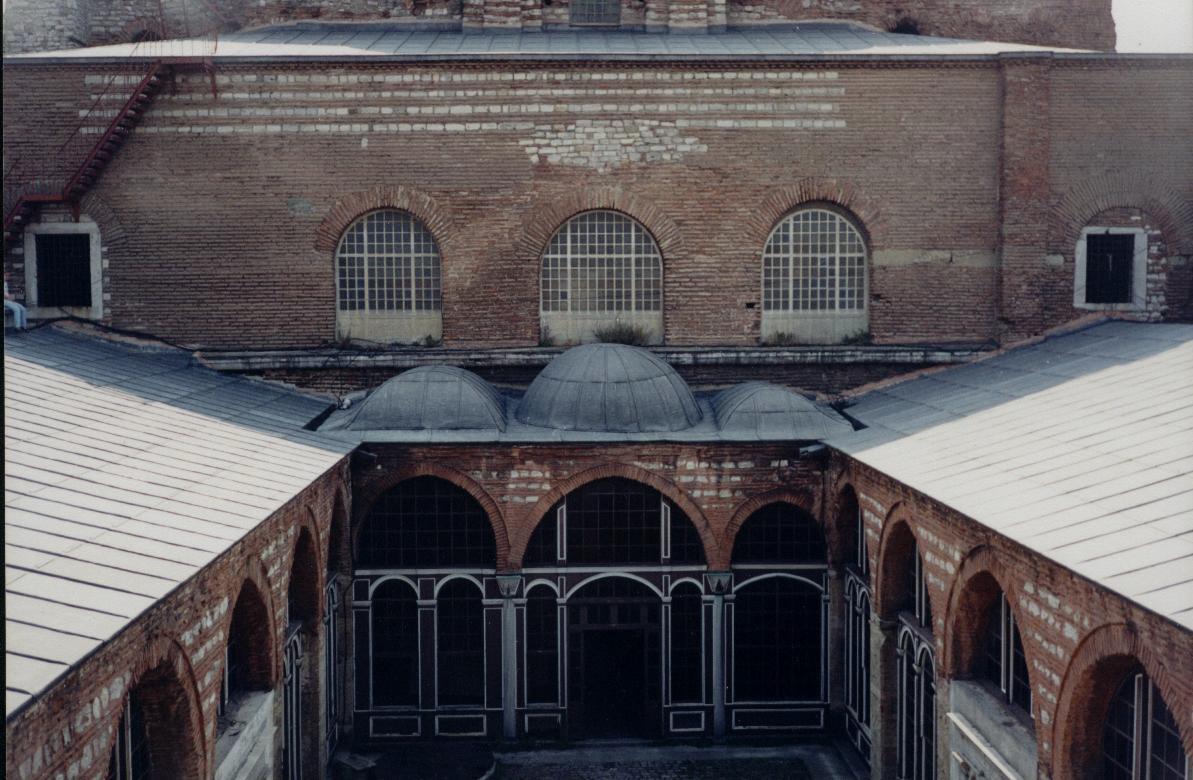
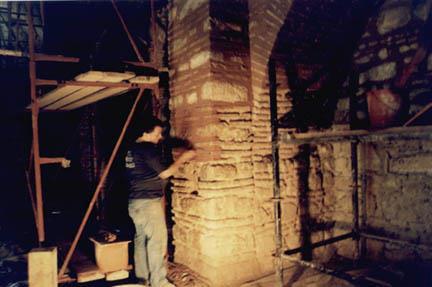
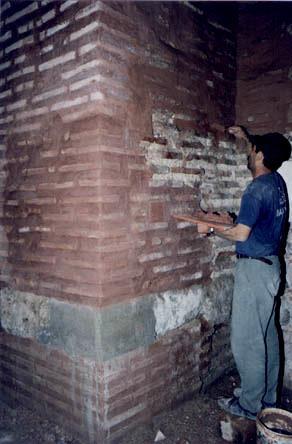
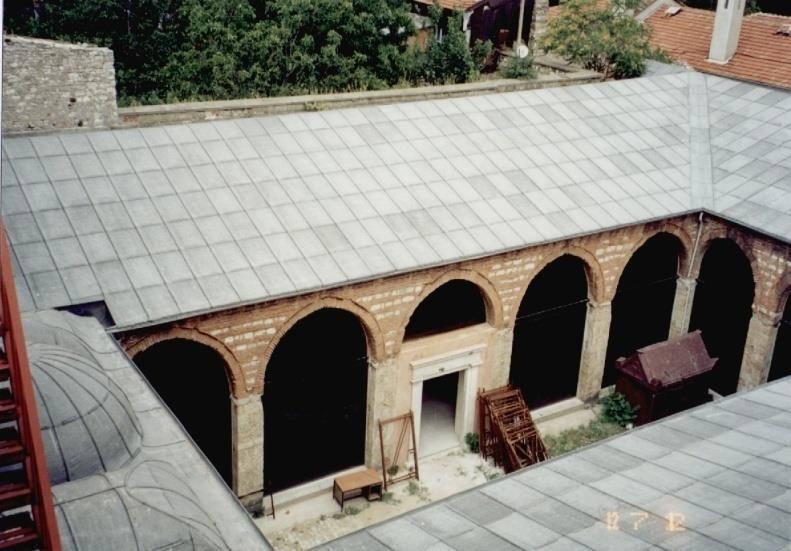
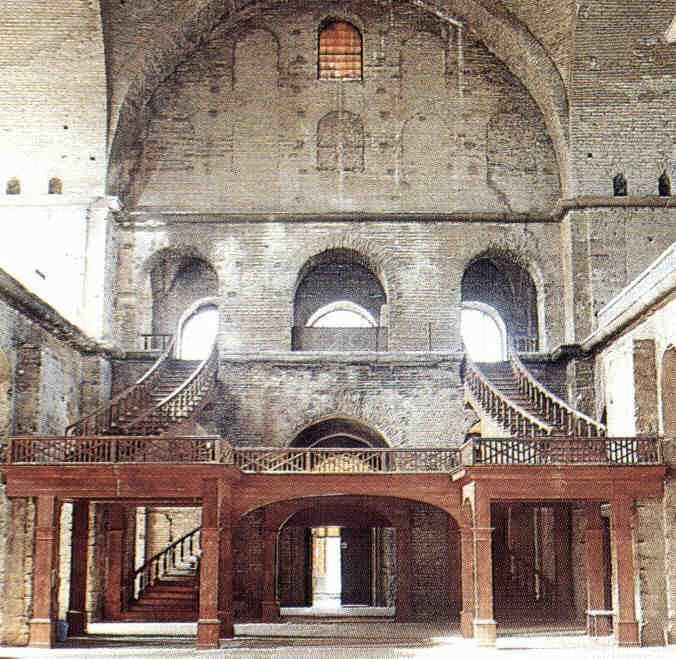
Commissioned by Emperor Constantine in the 4th century AD, the building was rebuilt by Emperor Justinian and later used as an armoury and military museum. Thanks to its use as an arms depot in the outer courtyard of Topkapı Palace, it is one of the rare Byzantine monuments to have reached the present day without being converted into a mosque. During the restoration carried out in 2002, the interior timber staircase was renewed and the lead sheathing of the dome was replaced. Today it hosts elegant receptions and concerts.

  • Sultanahmet, Istanbul
  • Ministry of Culture Revolving Fund Operations

Restoration 2006-2012

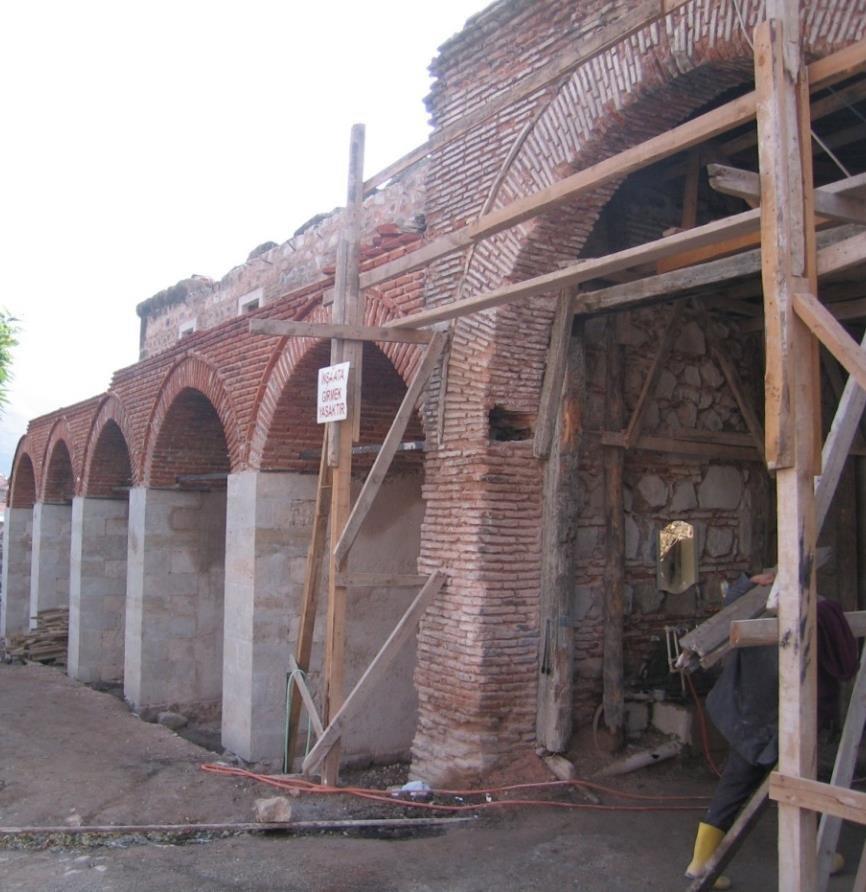
Fildamı-Pantokrator Cistern Restoration

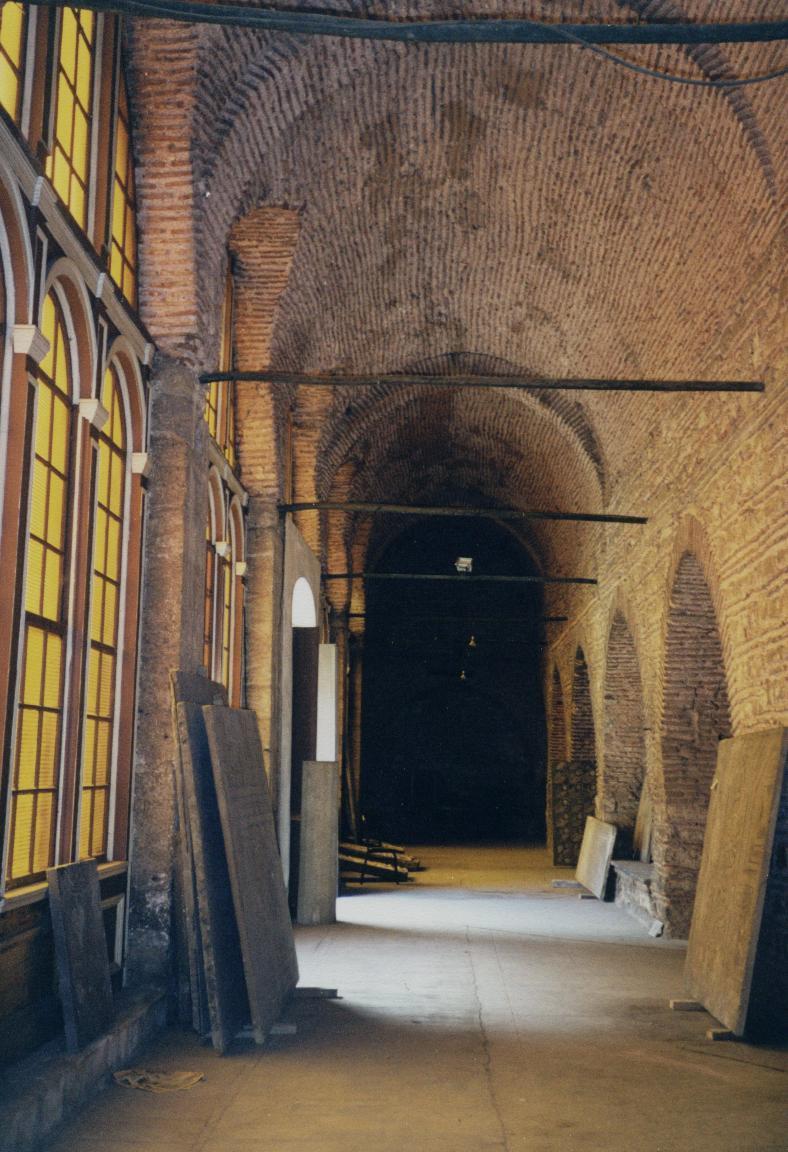
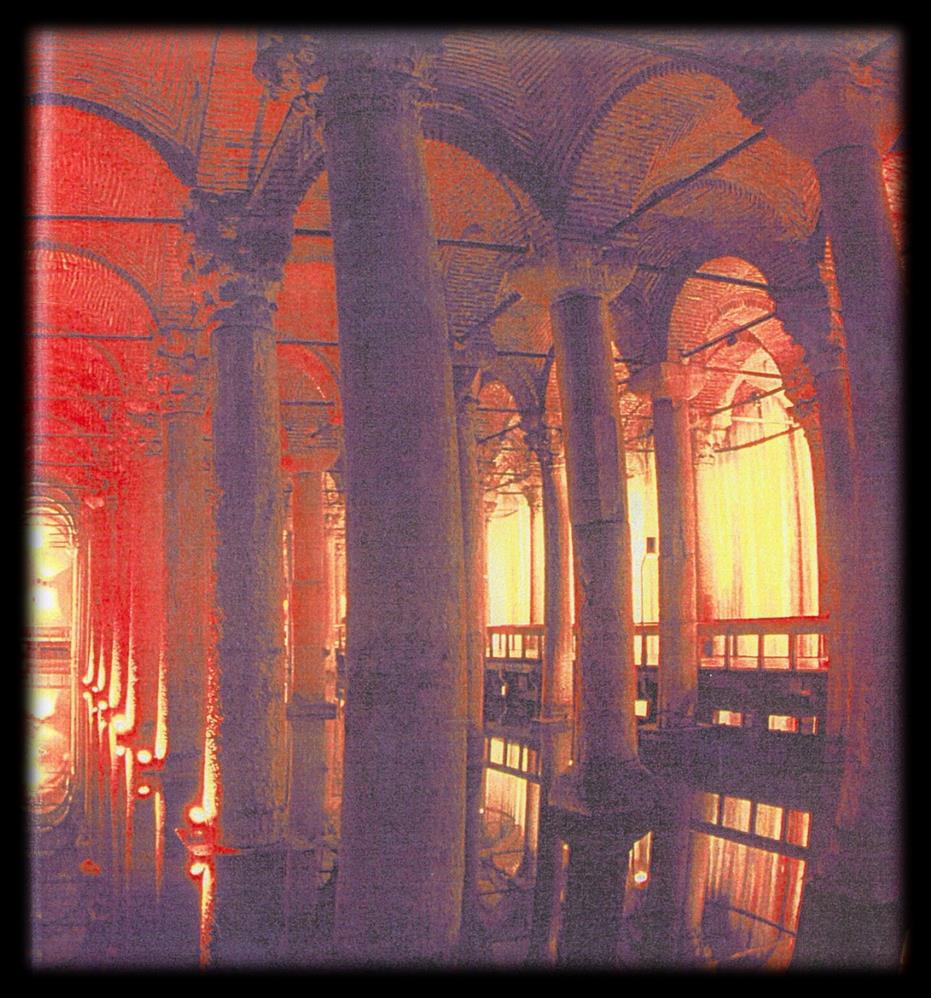
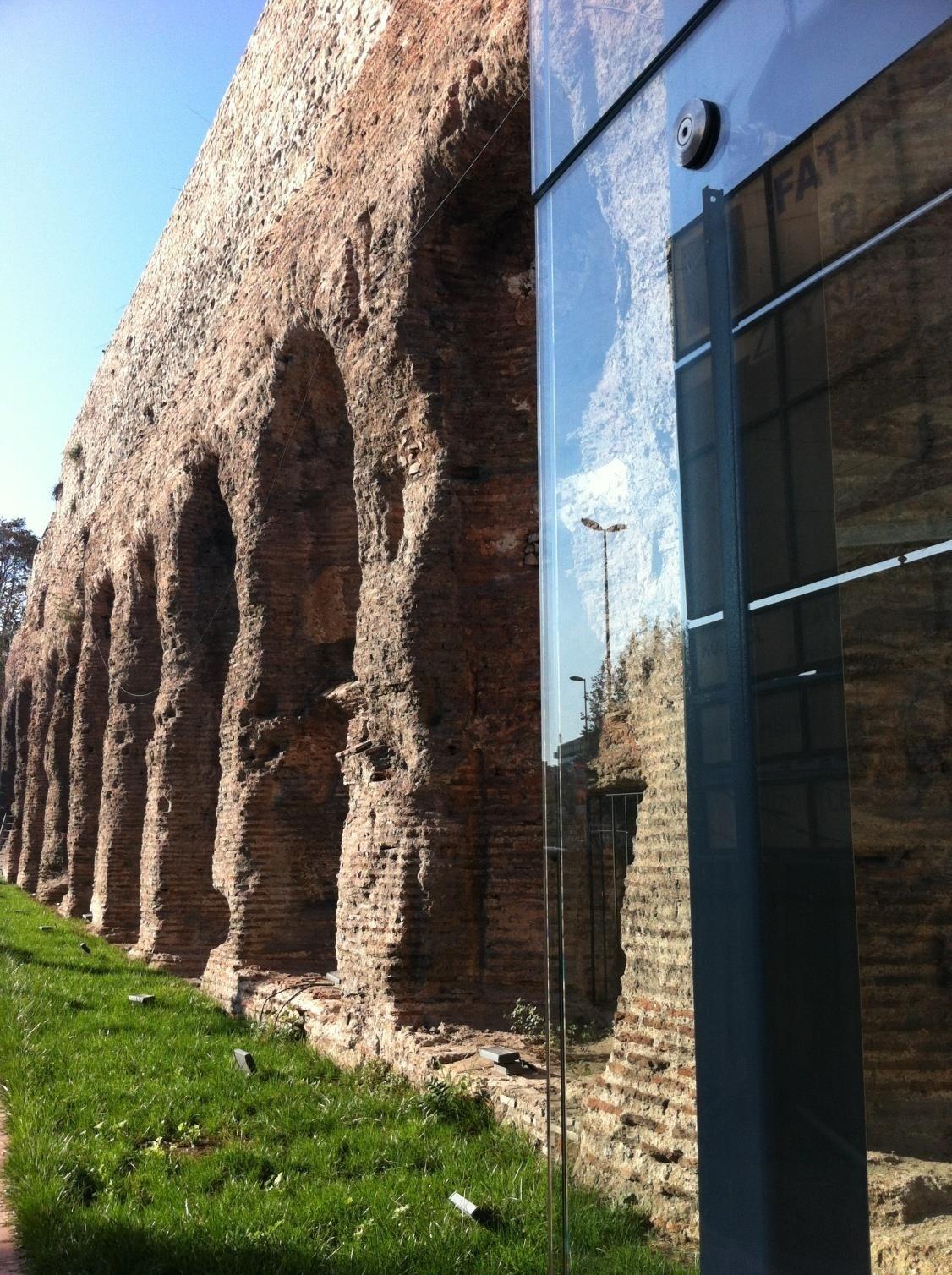
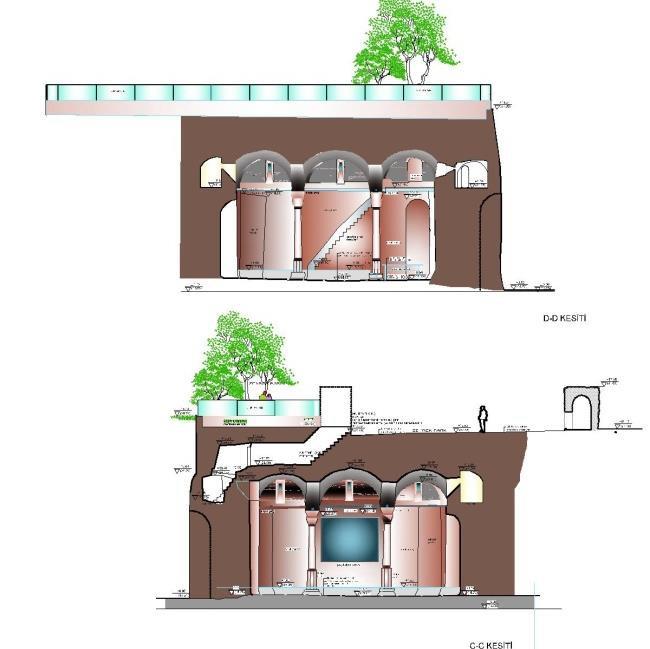
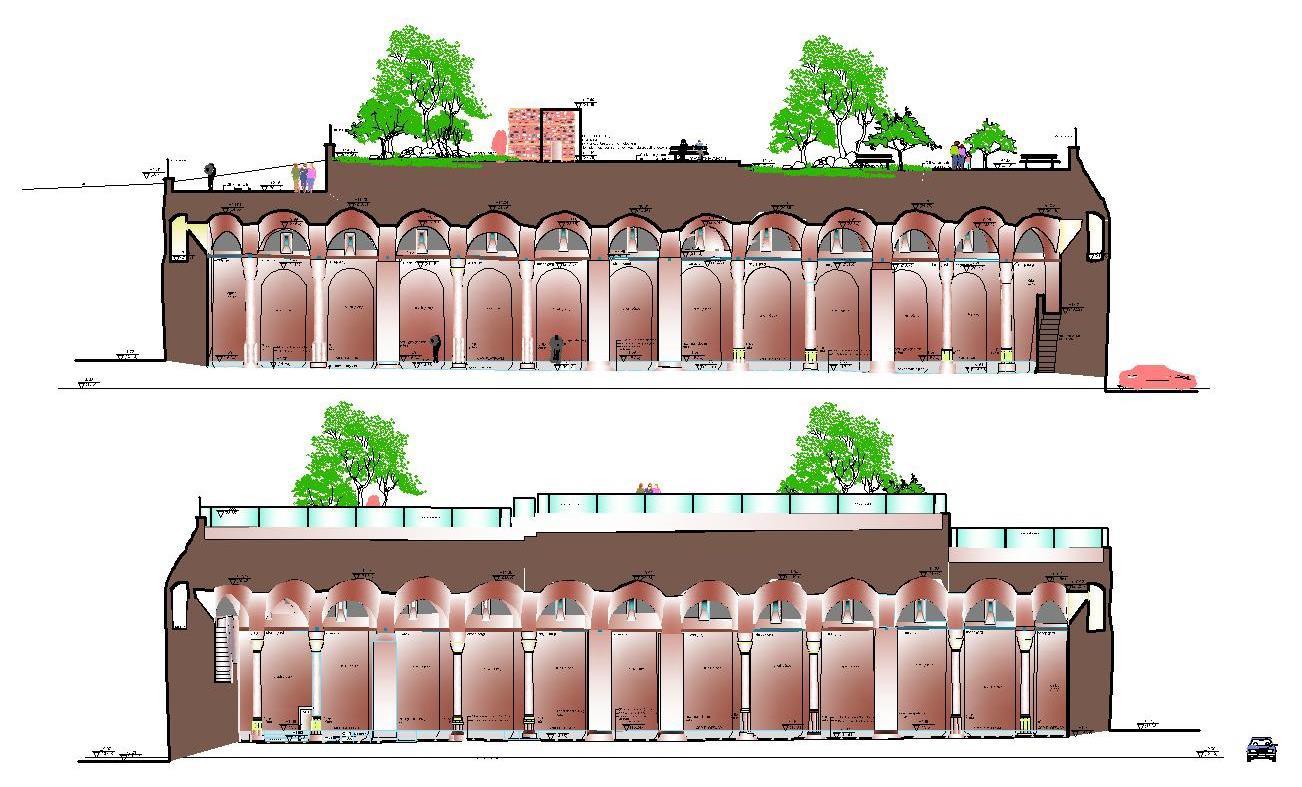
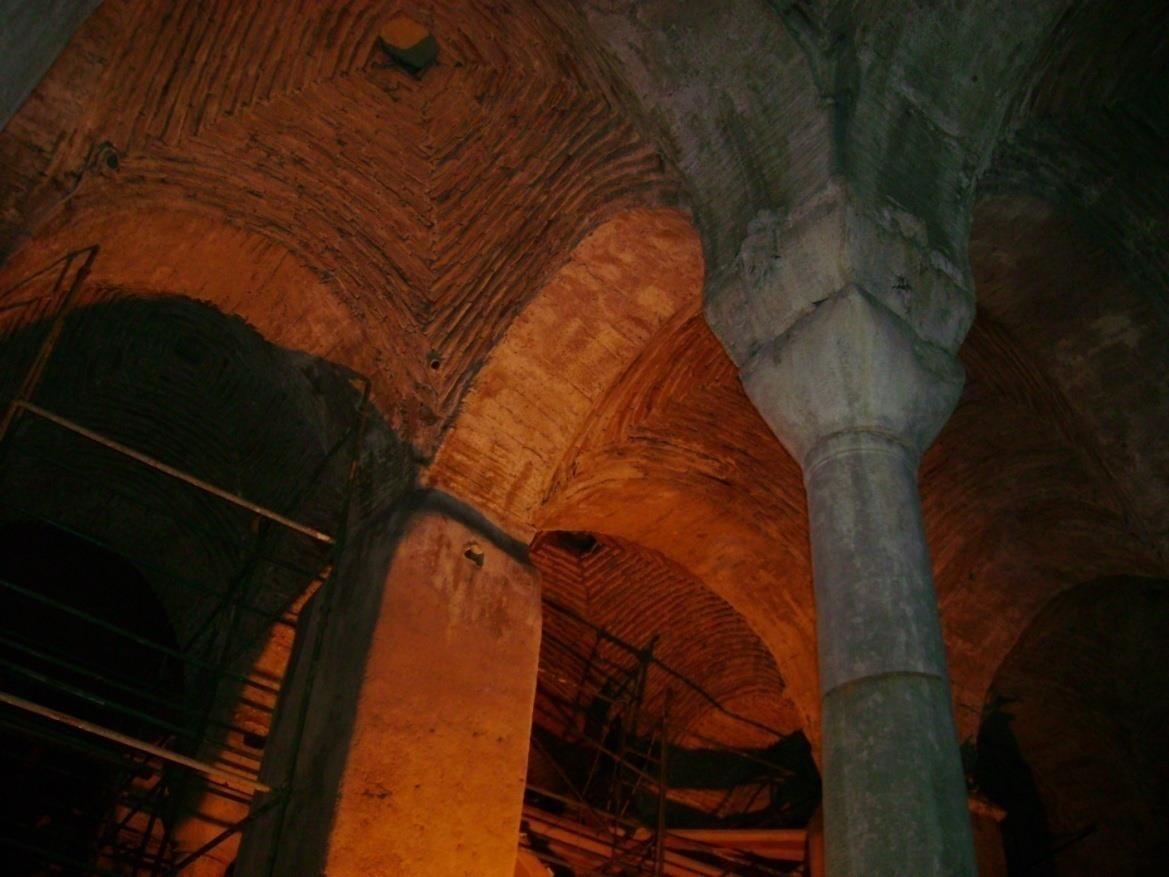
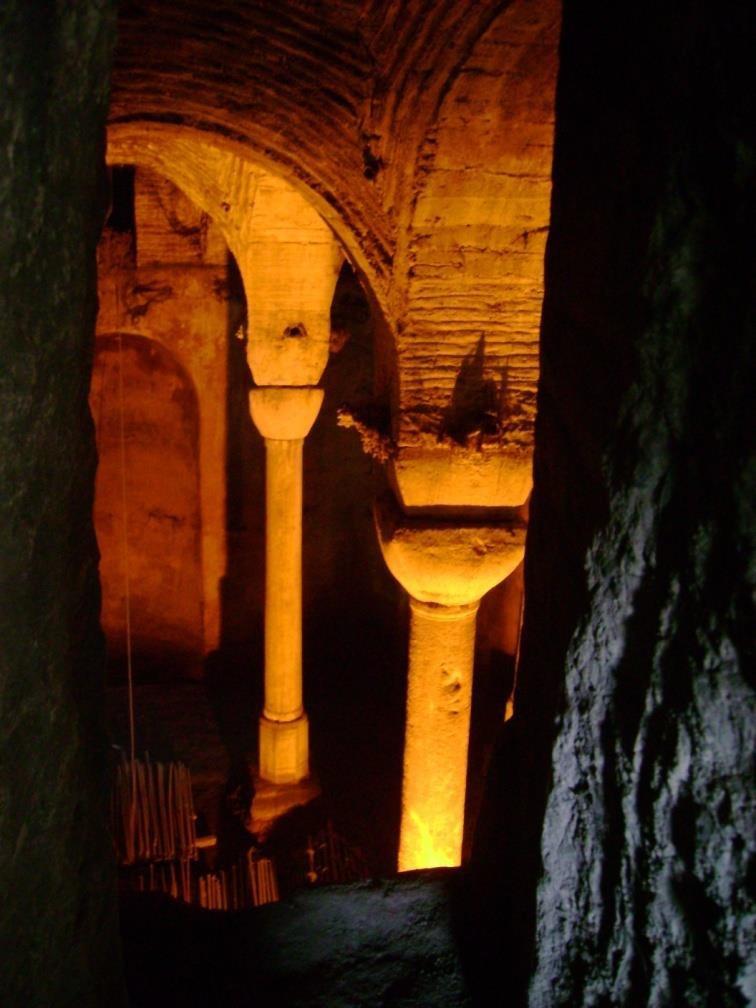
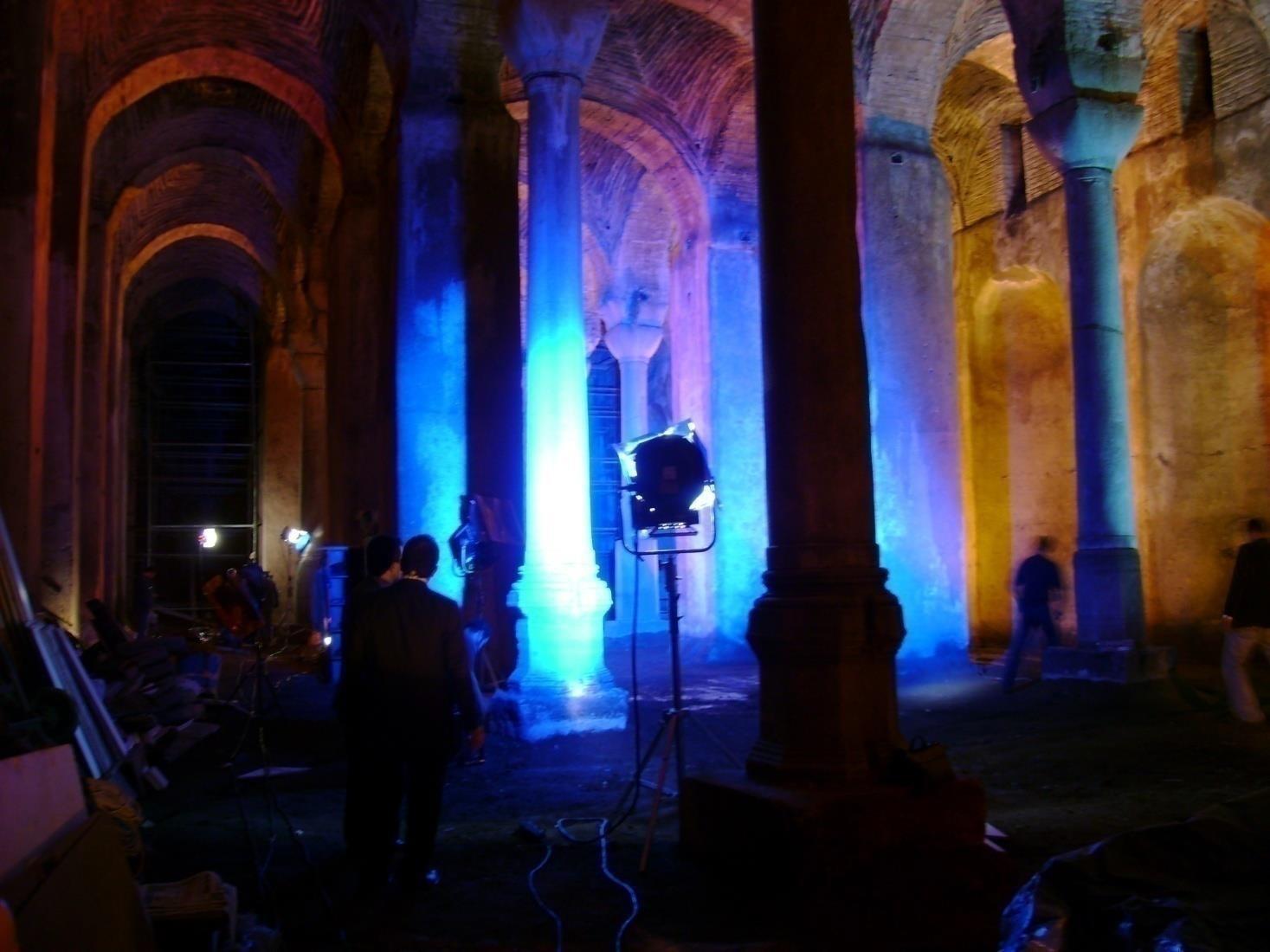
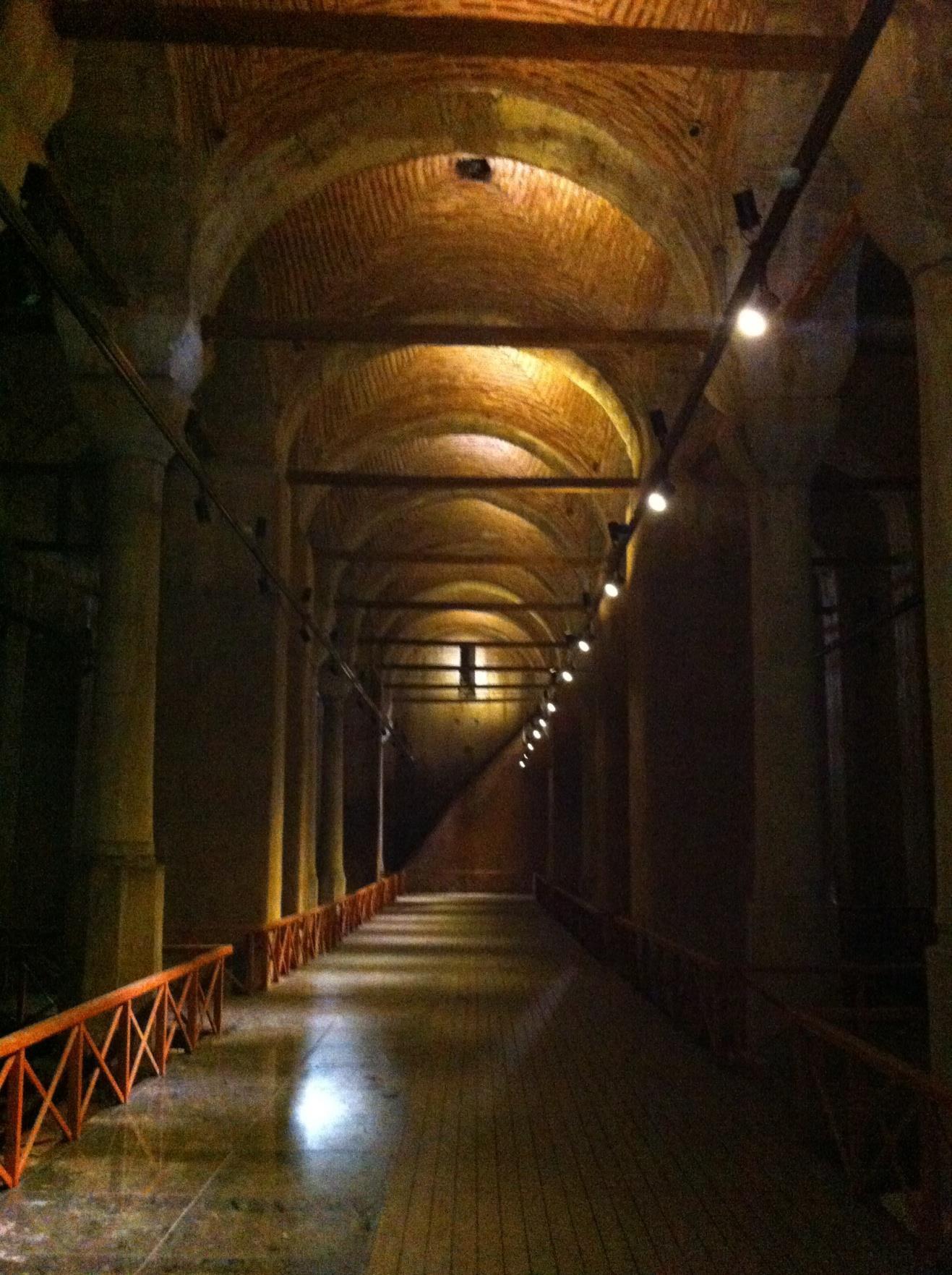
Architecturally distinct from other cisterns, the Zeyrek Cistern covers an interior span of 18 metres and a length of roughly 50 metres. In the restoration of the cistern, the main mass was preserved as is and strengthened with tie rods between the columns; the brick walls were plastered on the interior with Khorasan mortar, while on the exterior facade the accumulation of years was cleaned by sandblasting. One of the rare above-ground cisterns, the structure was designed as an exhibition space, walkways were built for visitors, and the entrance door was accentuated with a cubic structure of glass and profiles.
  • Unkapanı, Istanbul
  • Fatih Municipality Directorate of Public Works

Restoration

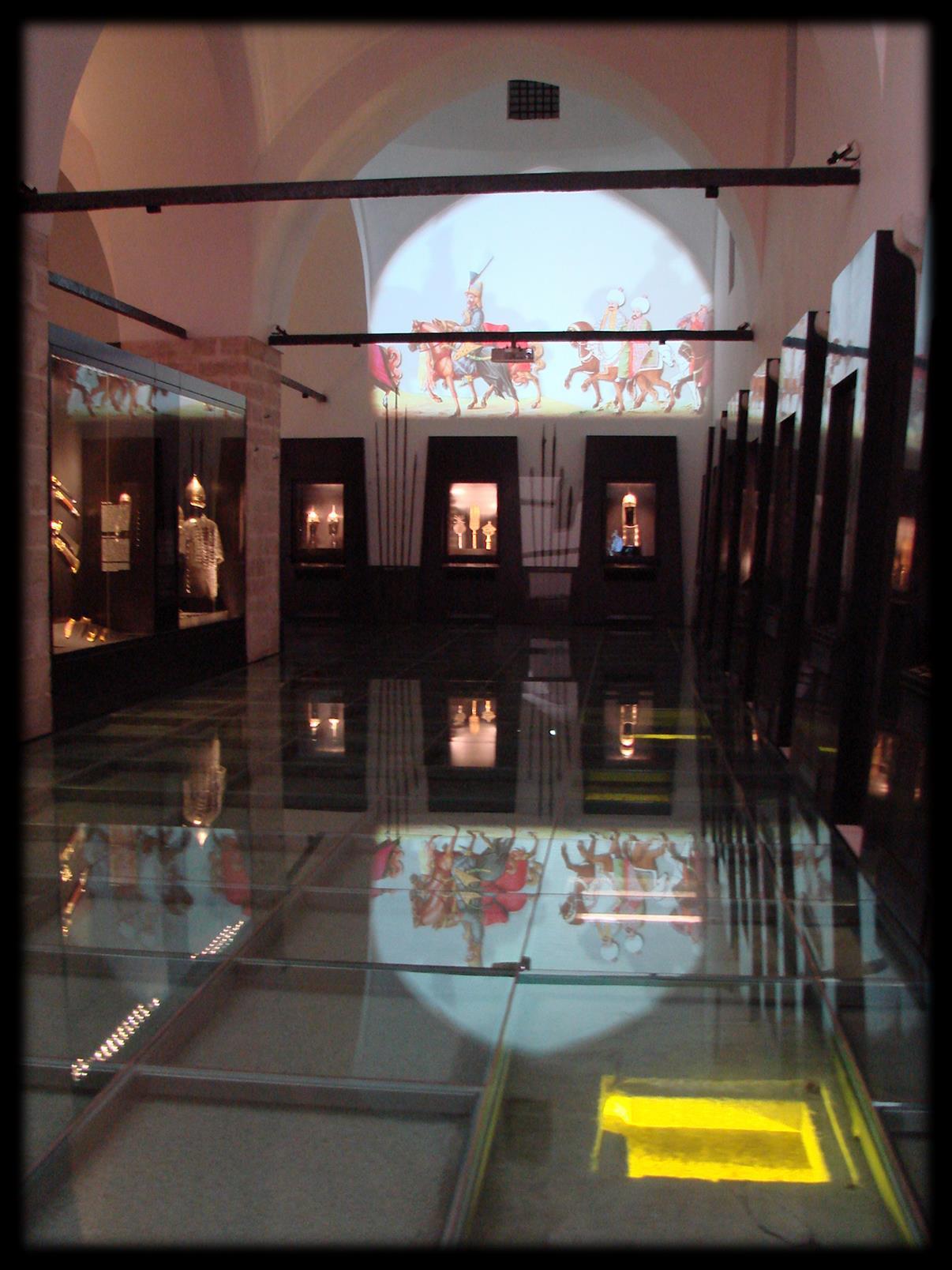
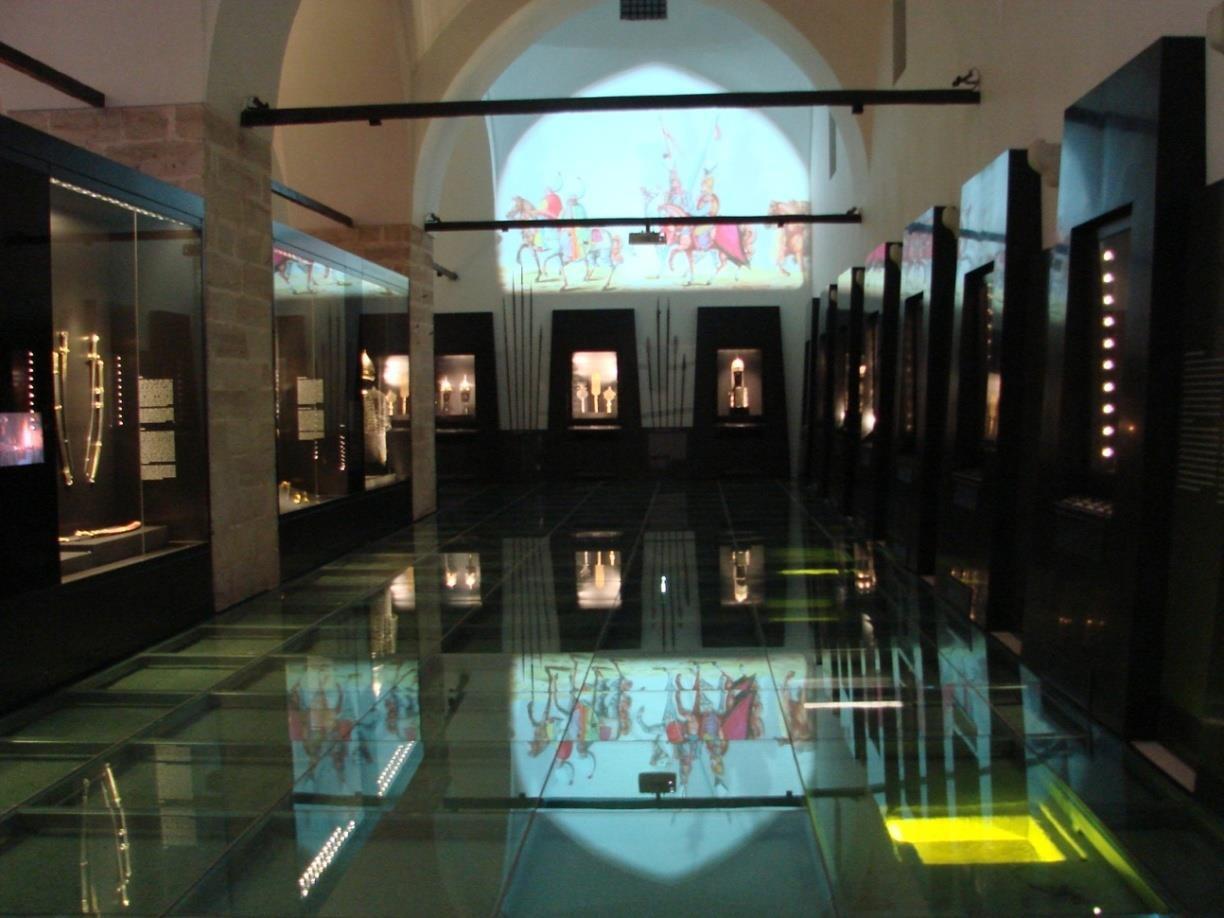
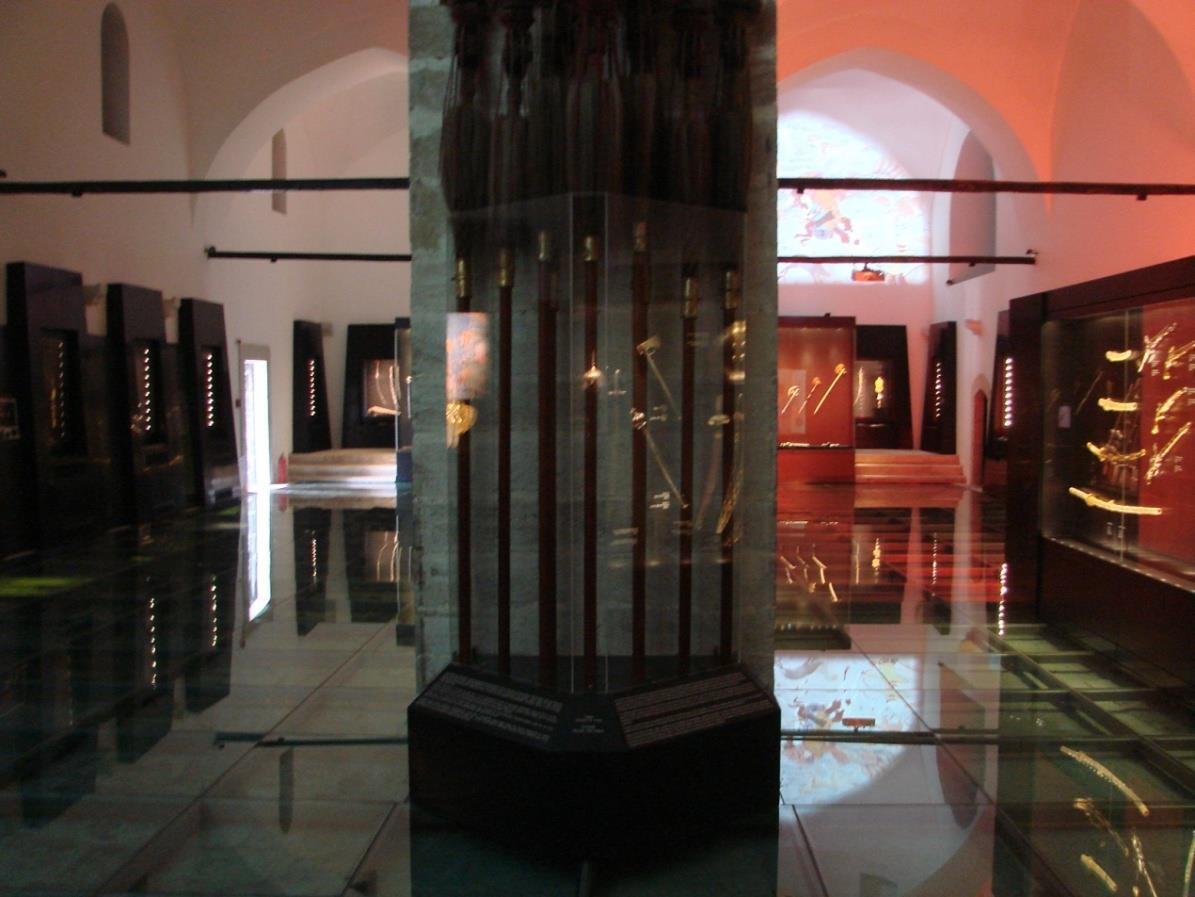
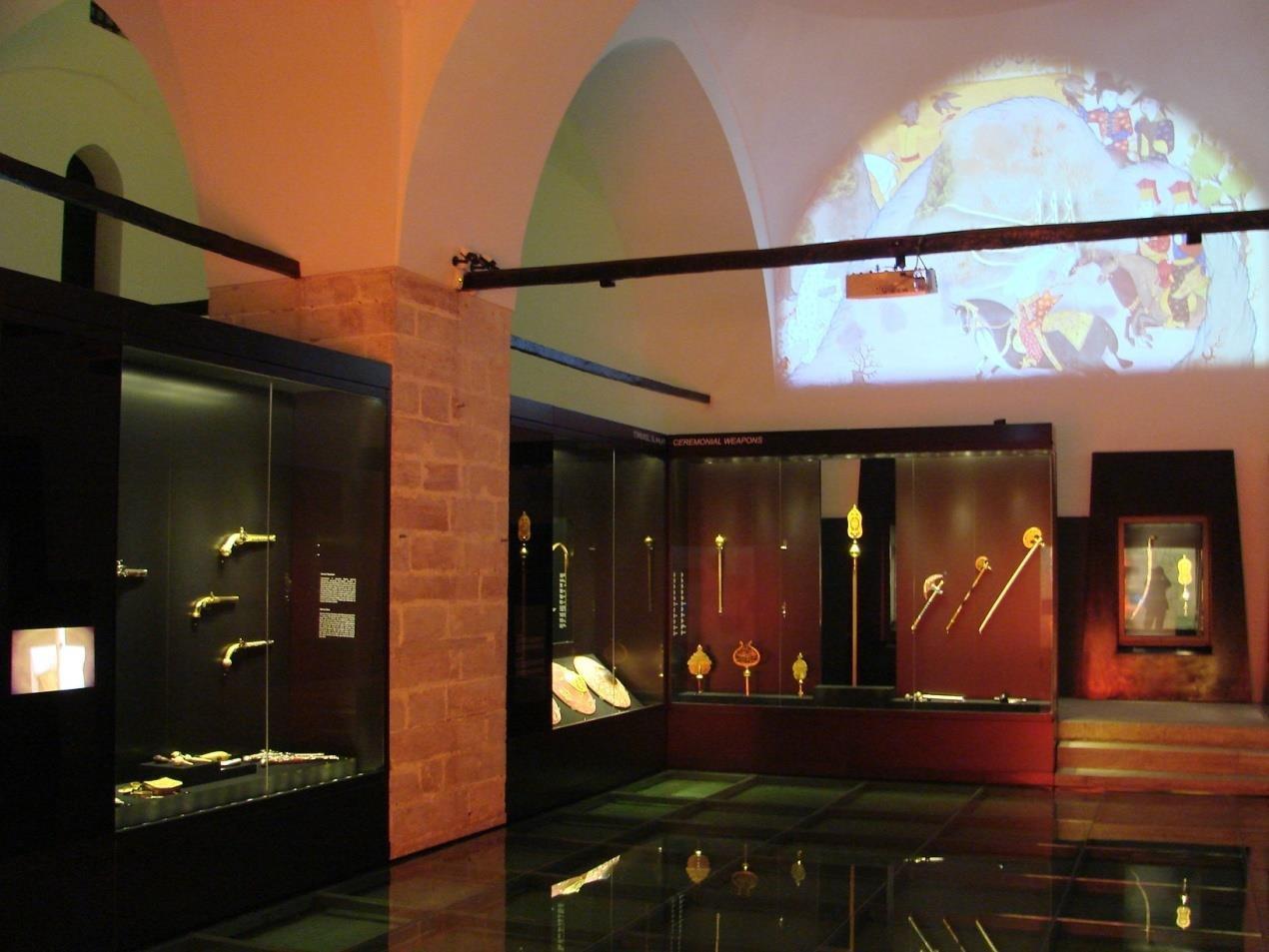
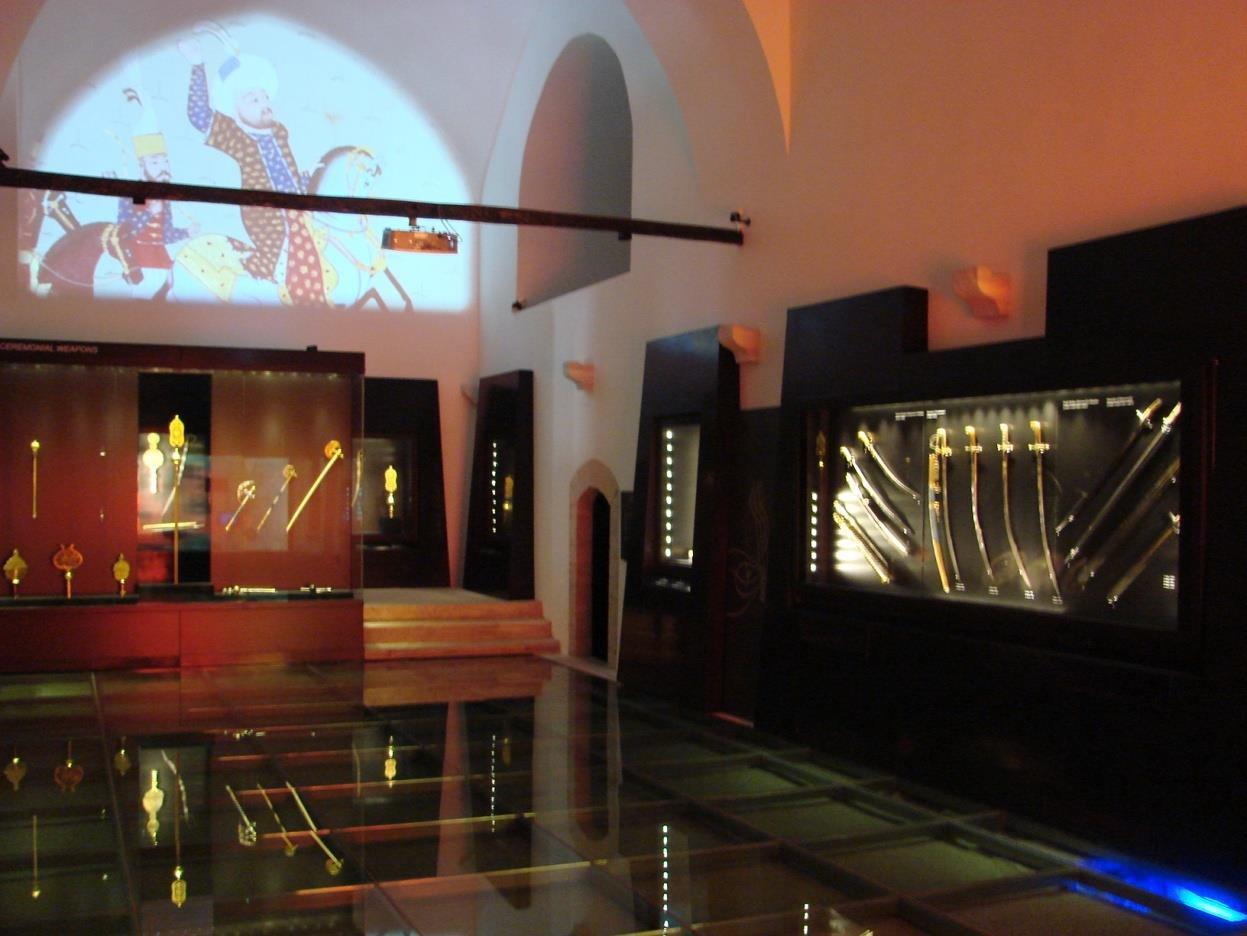
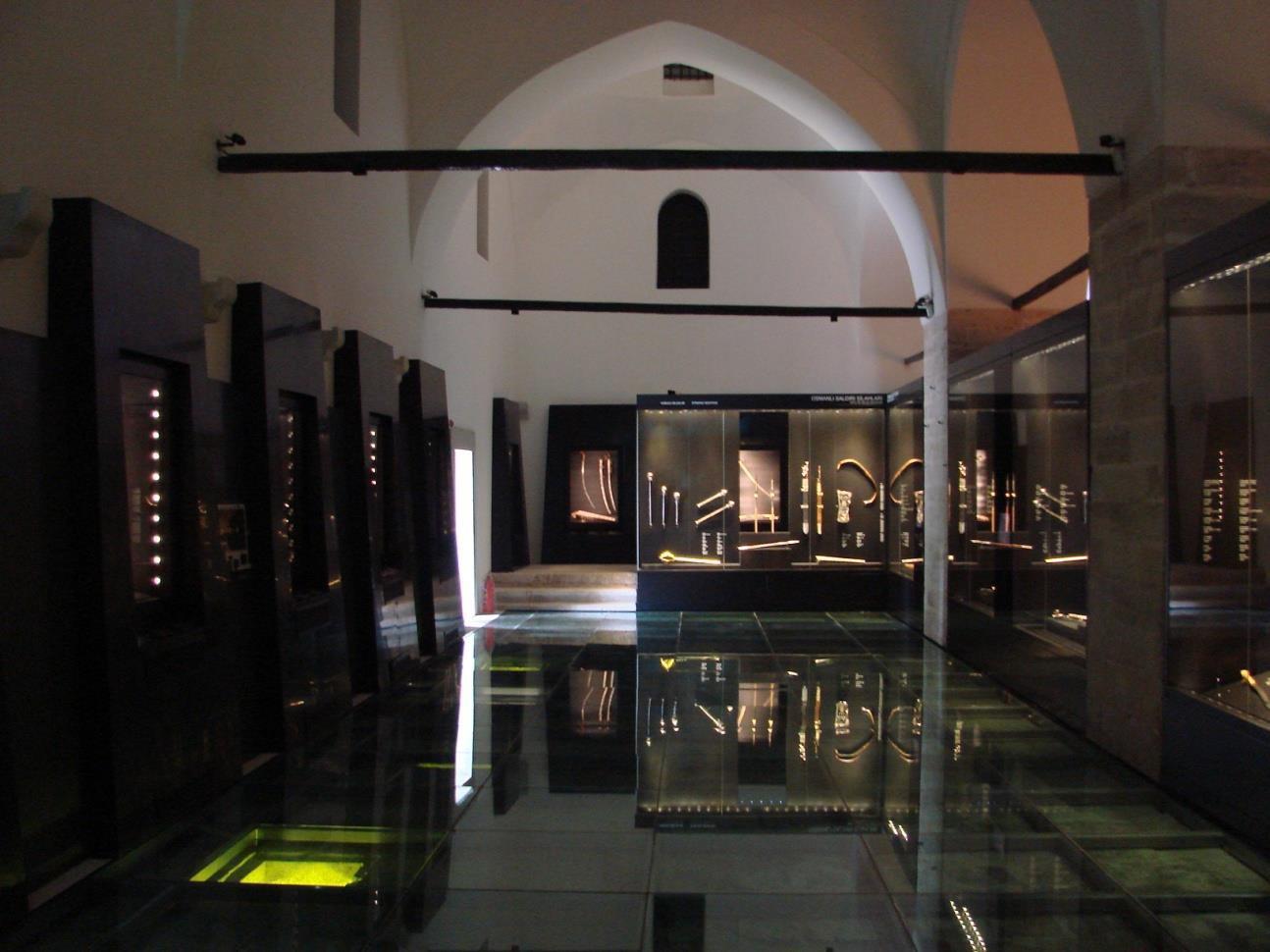
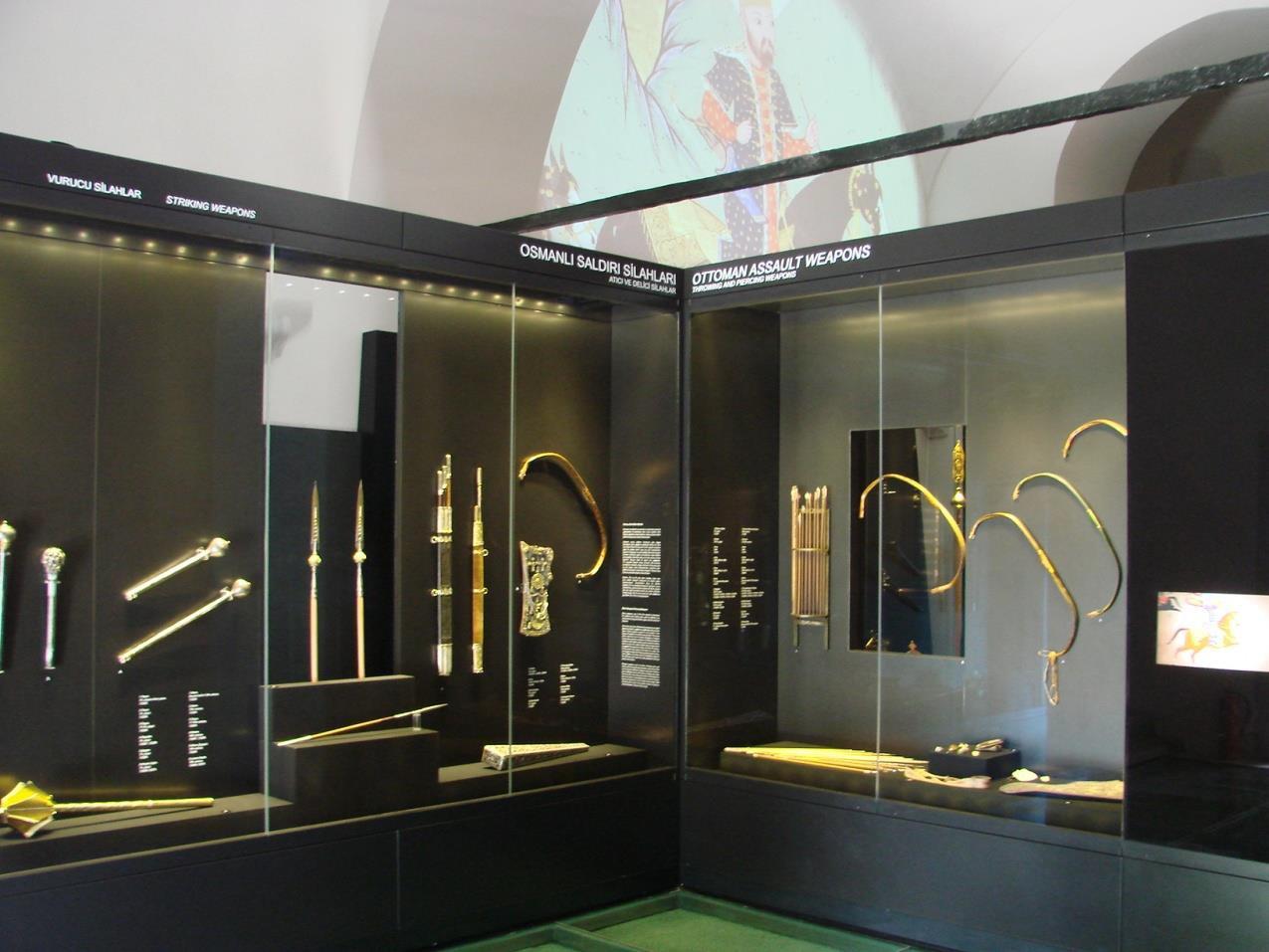
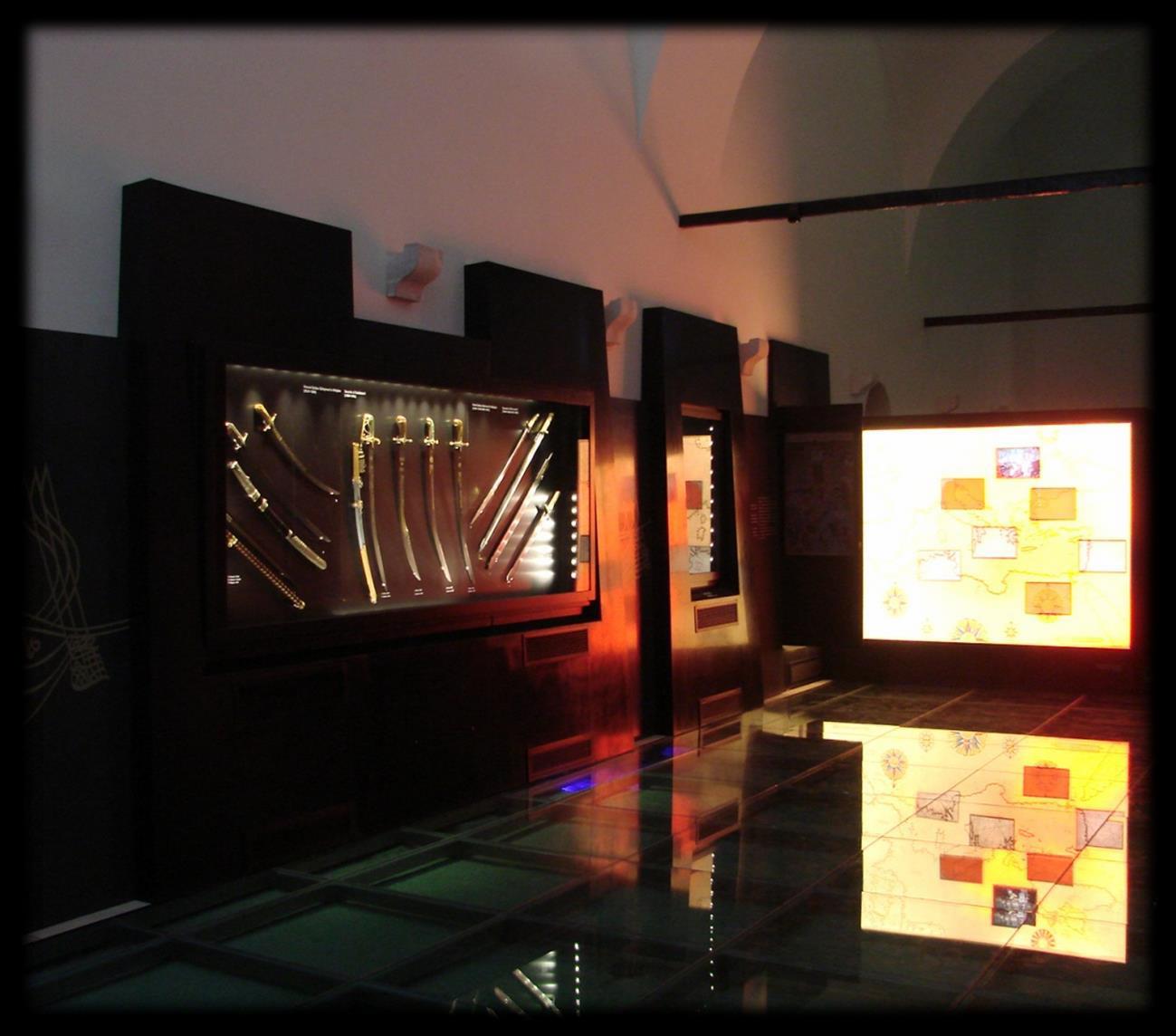
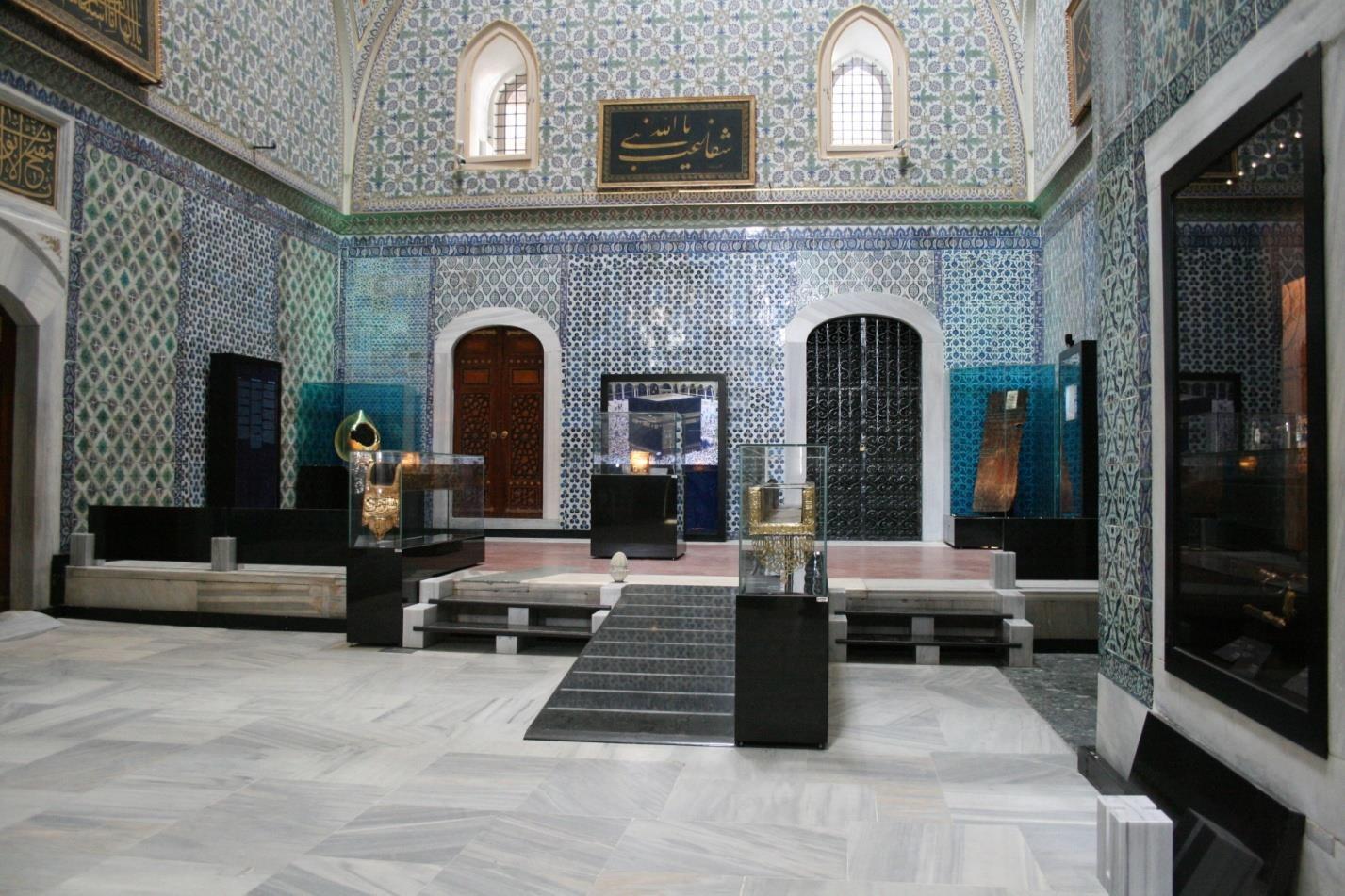
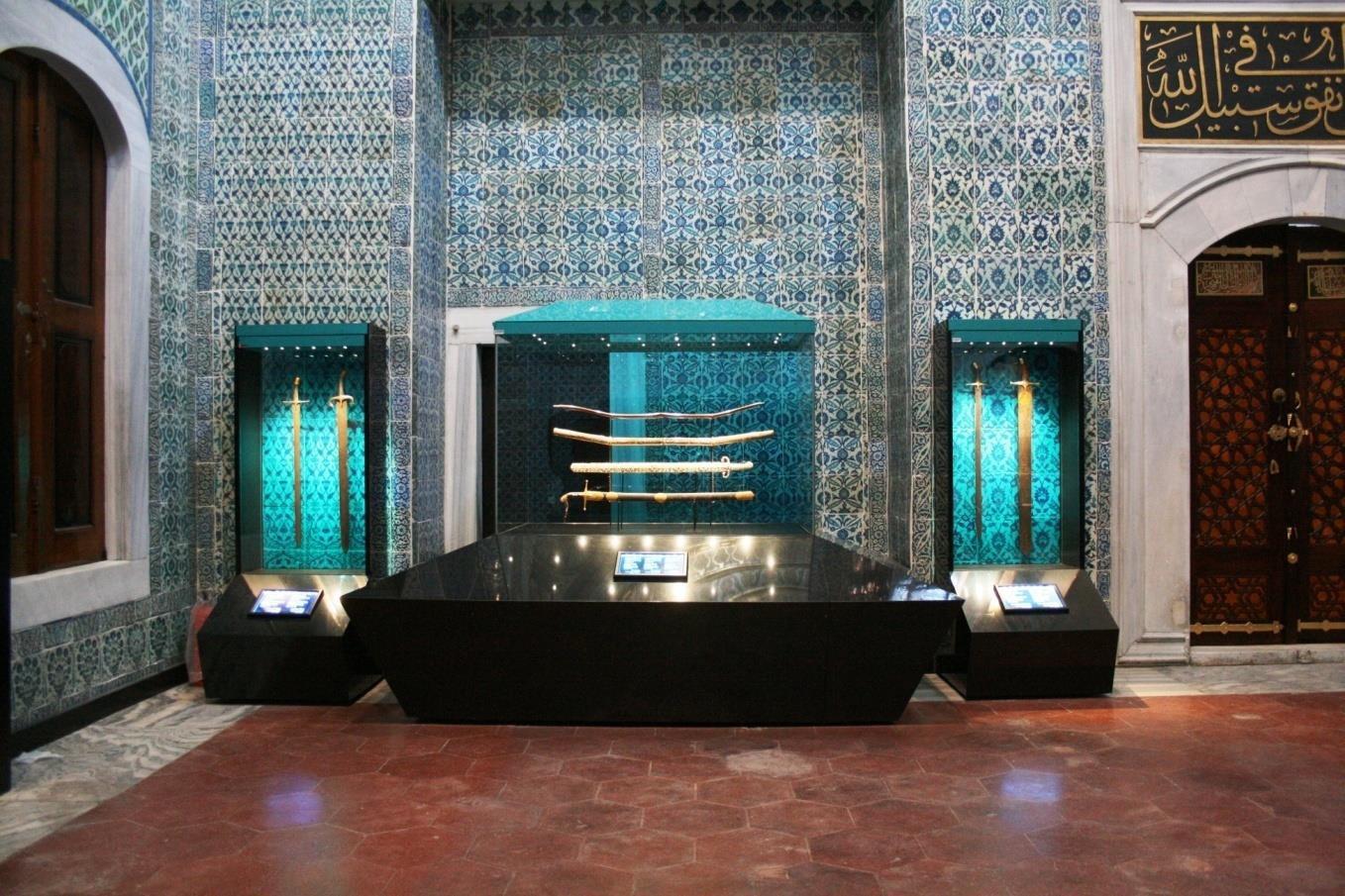
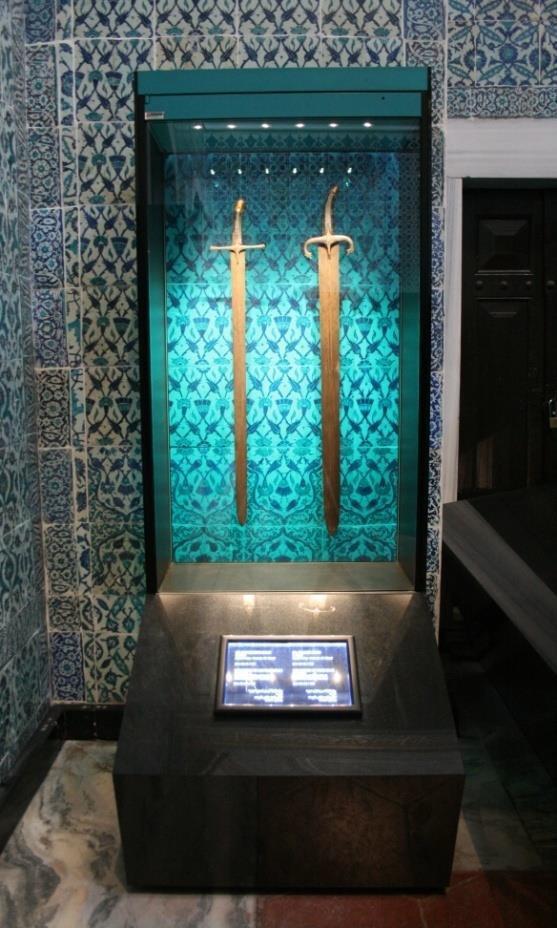
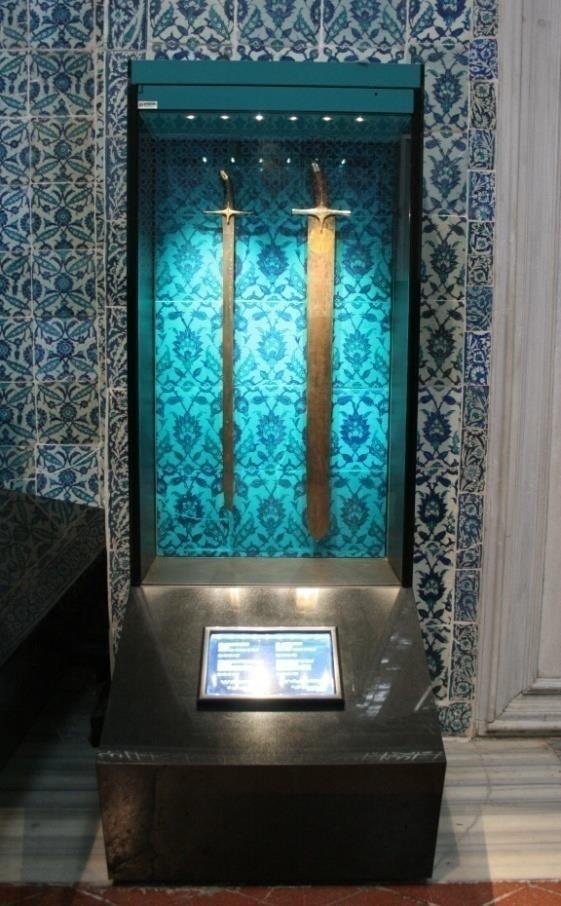
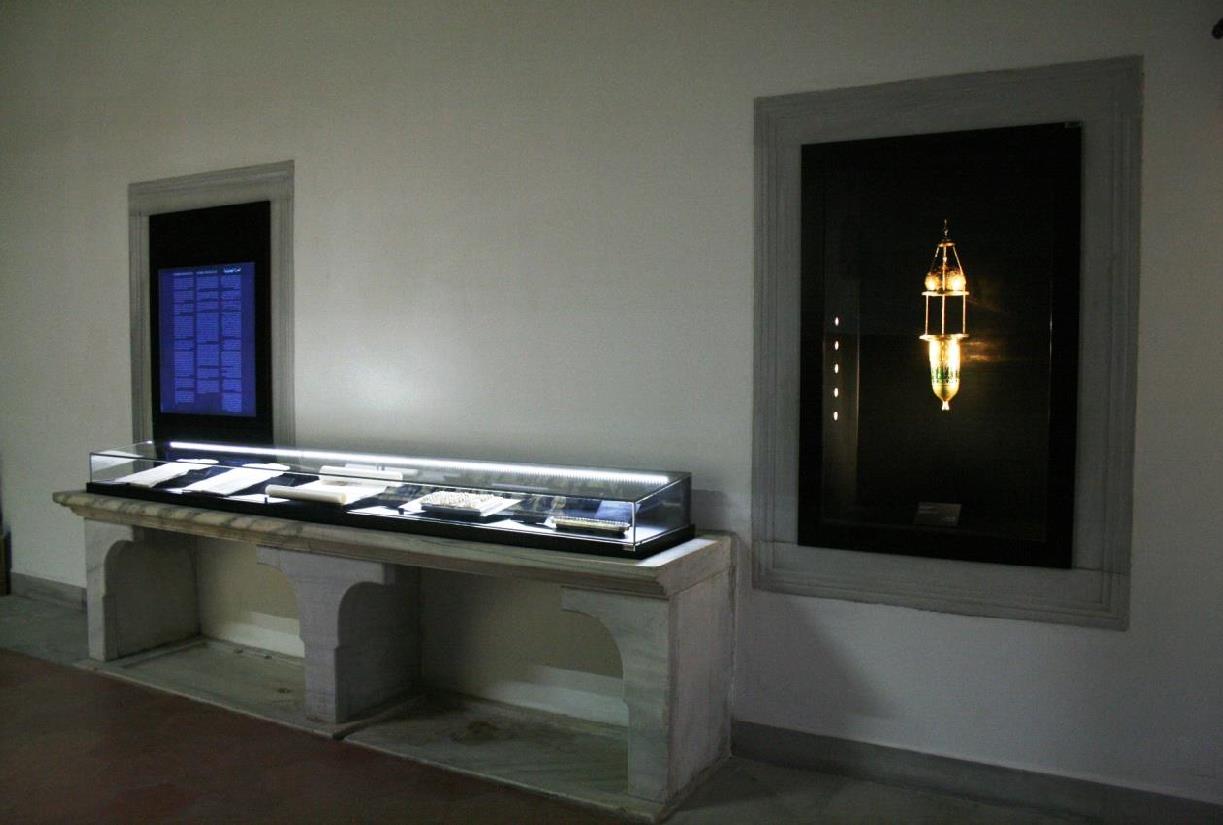
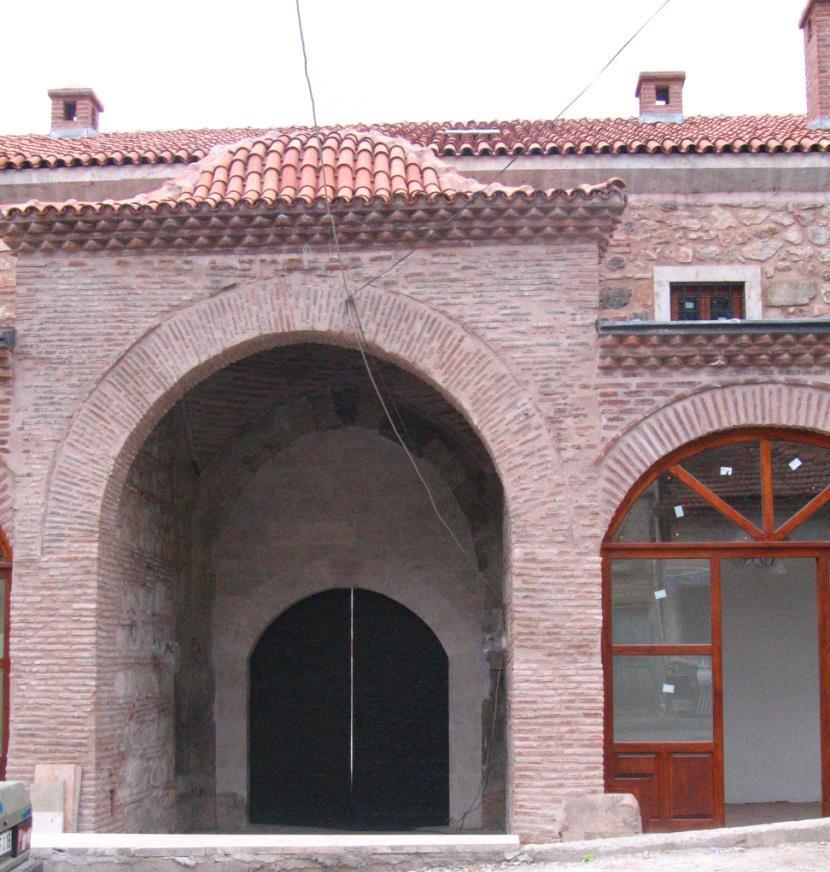
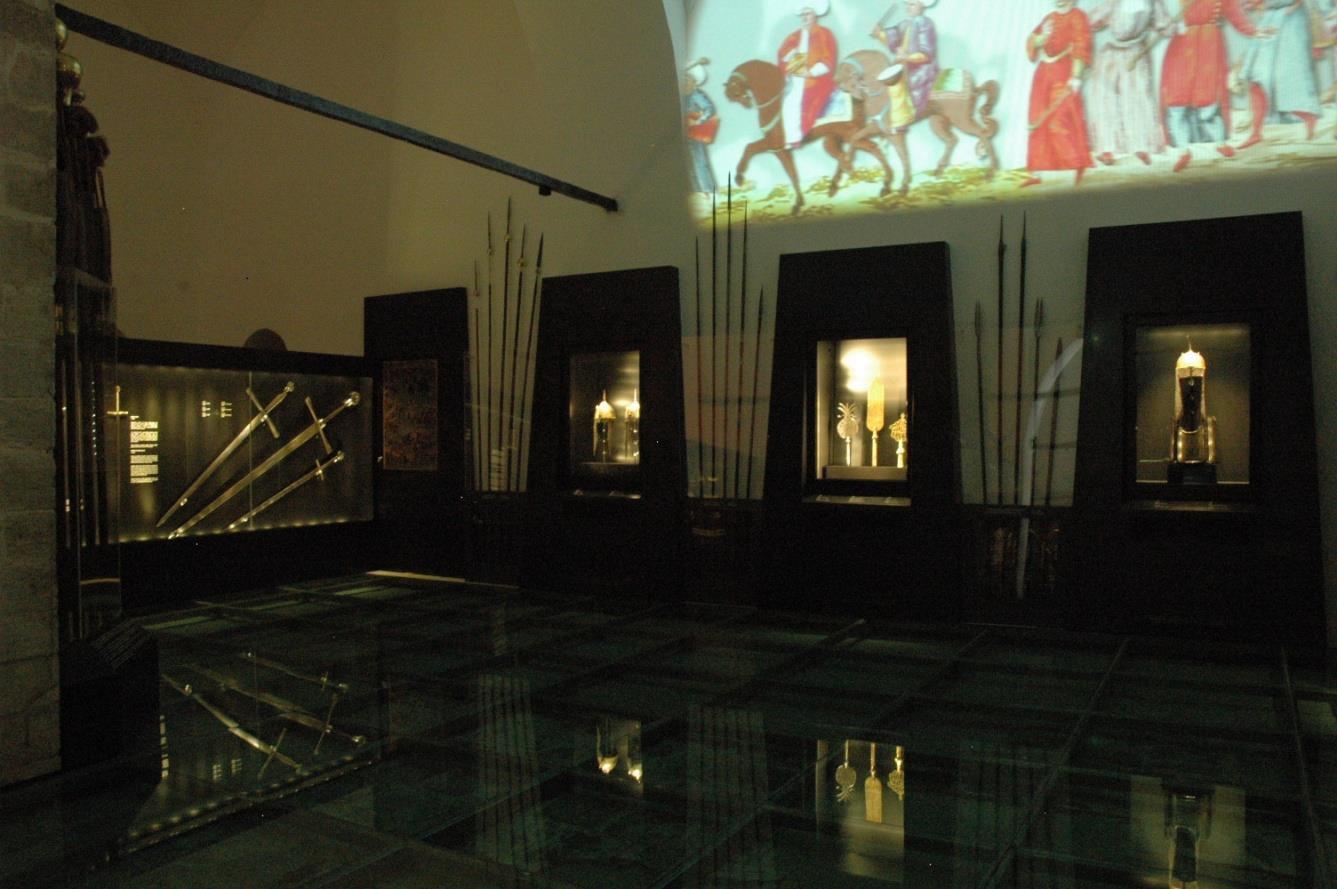
Topkapı Palace Museum Armoury and Privy Chamber Exhibition Fit-Out

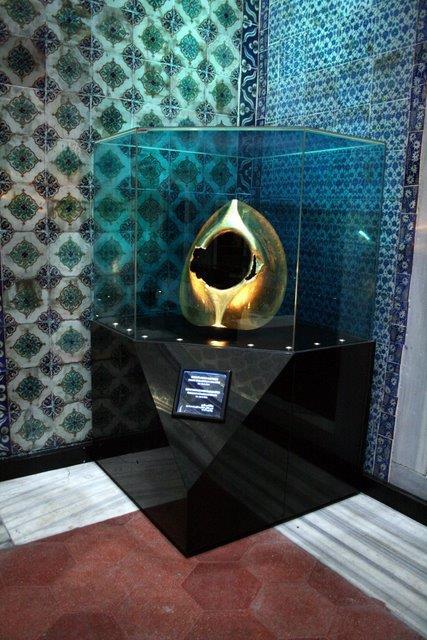
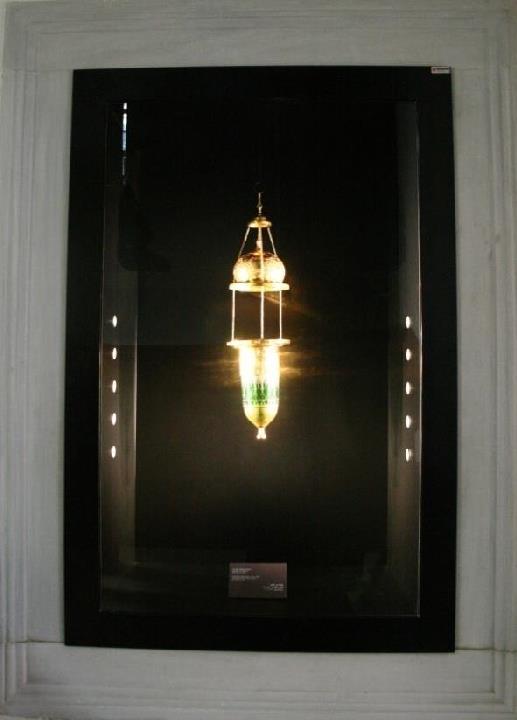
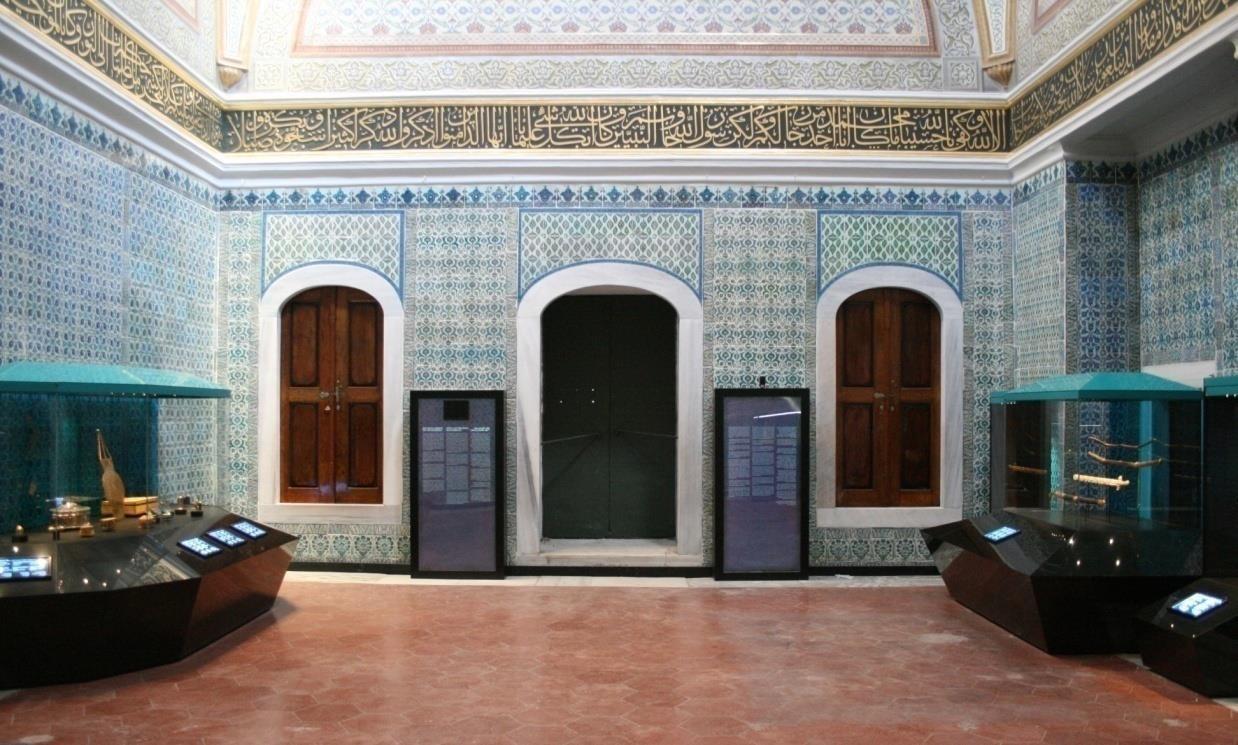
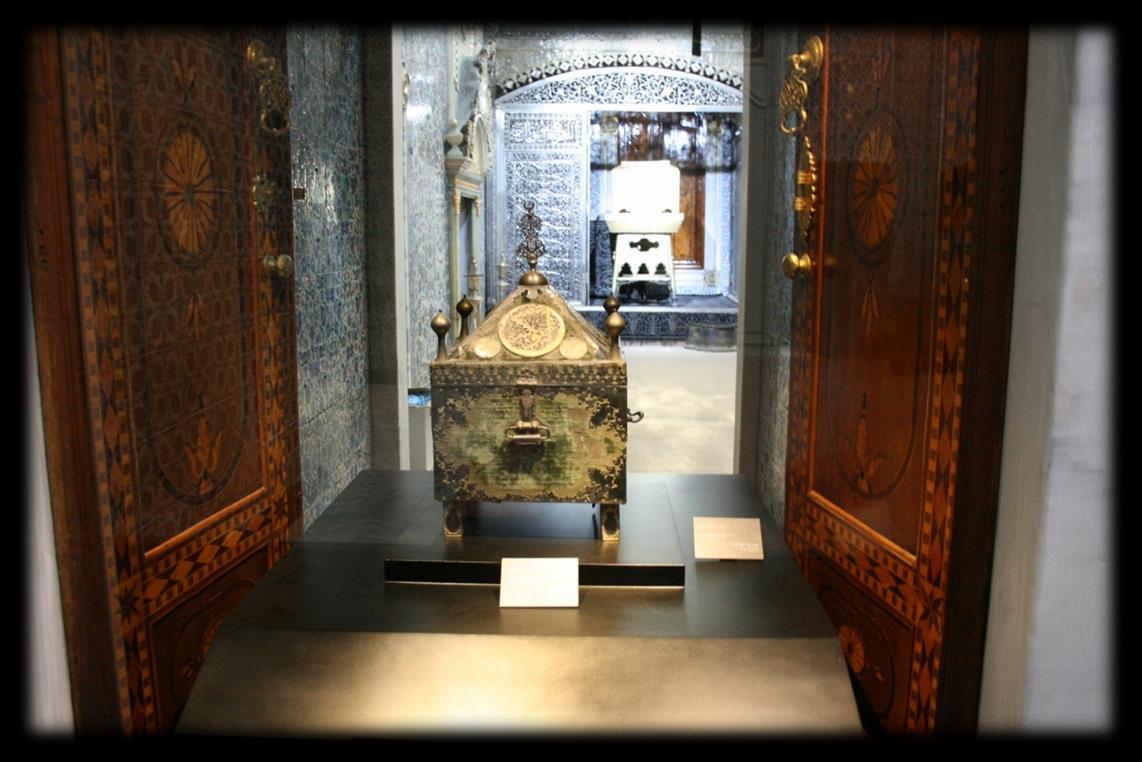
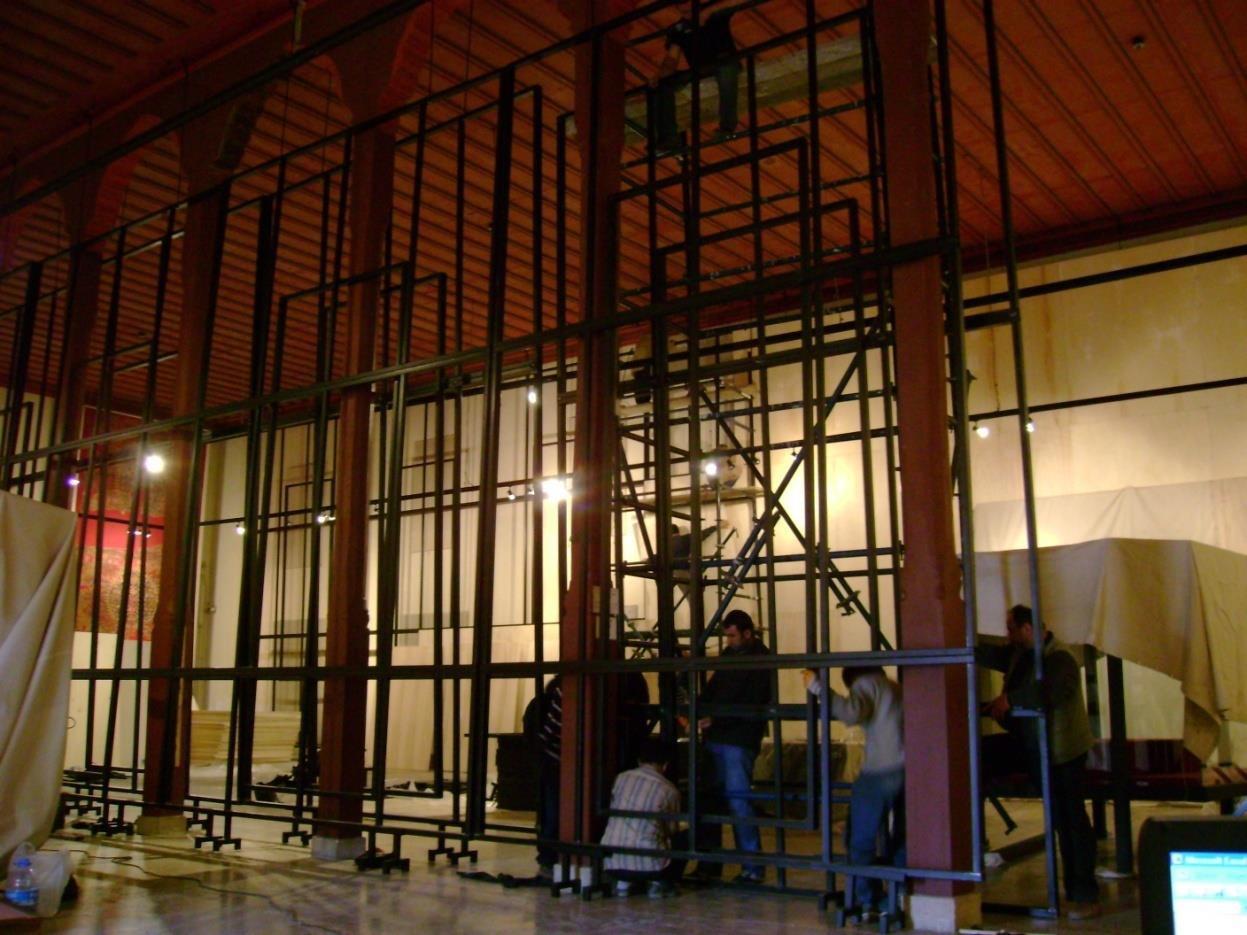
With showcases designed down to every detail, climate control and special lighting, it offers visitors the comfort of modern museology. The magnet-based display technique drew great acclaim in the exhibition fit-out work and became a focal point of visitors' interest. In addition, a map panel was created from Piri Reis's Kitab-ı Bahriye.
  • Sultanahmet, Istanbul
  • Ministry of Culture

Restoration 2008-2011

Aksaray Alay Han Restoration

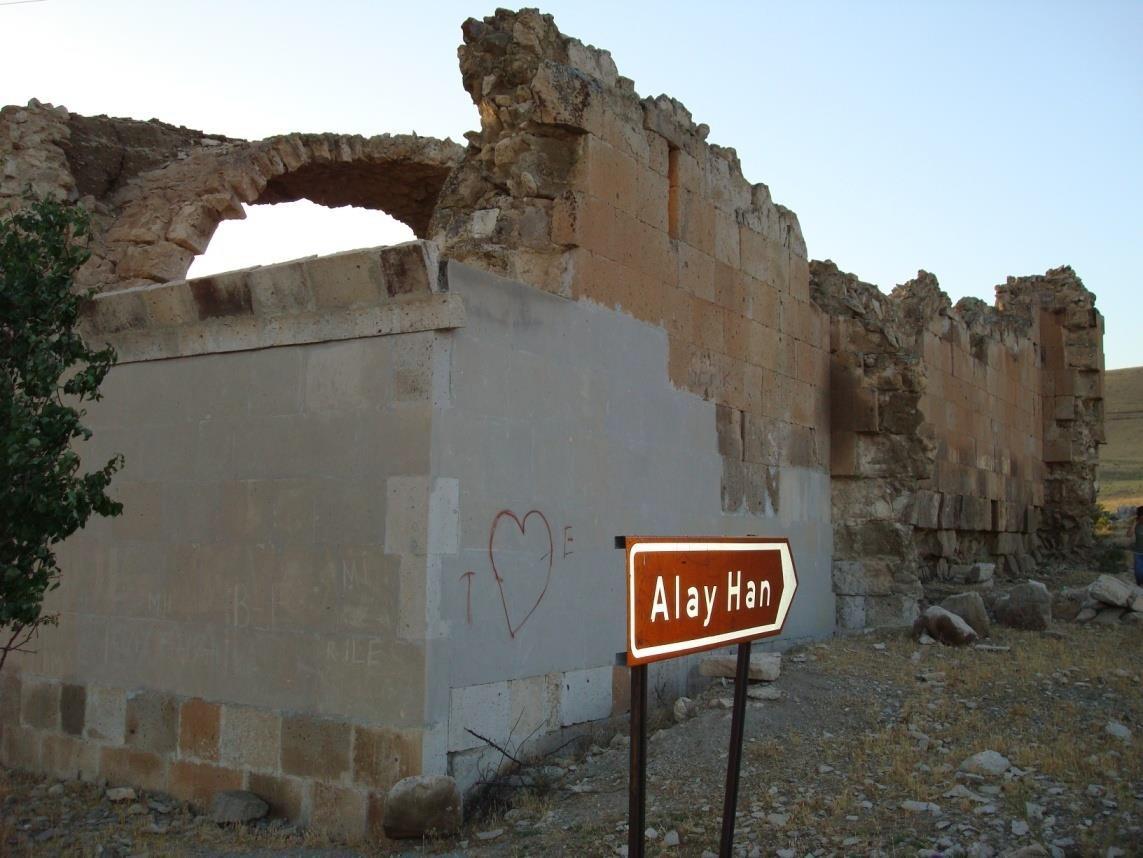
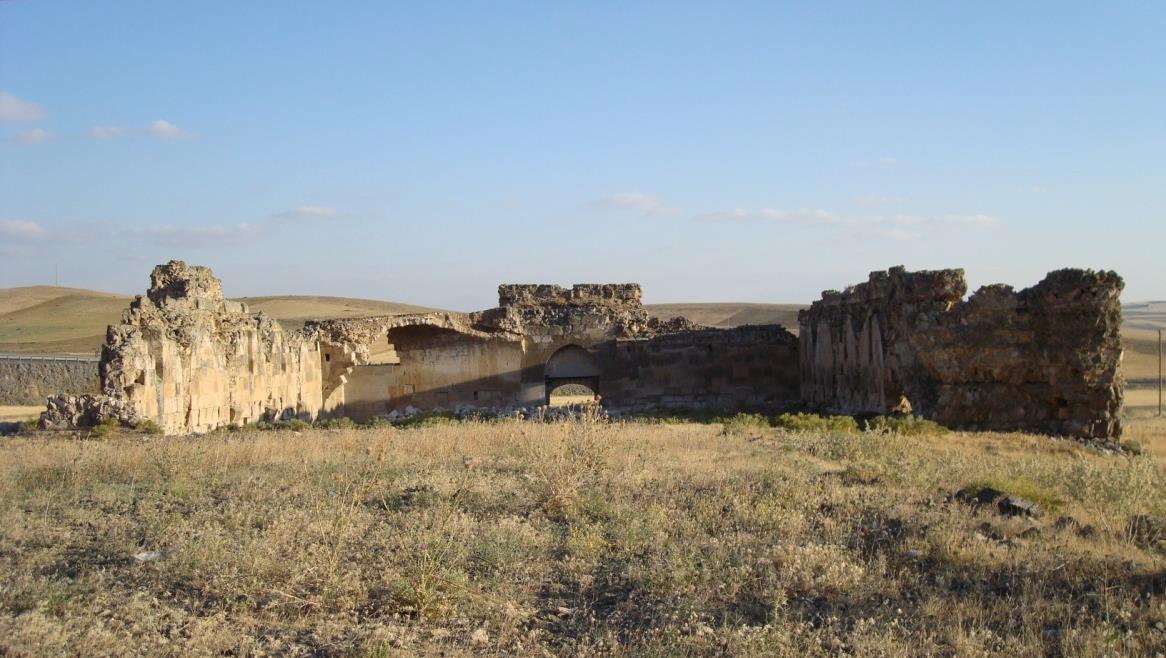
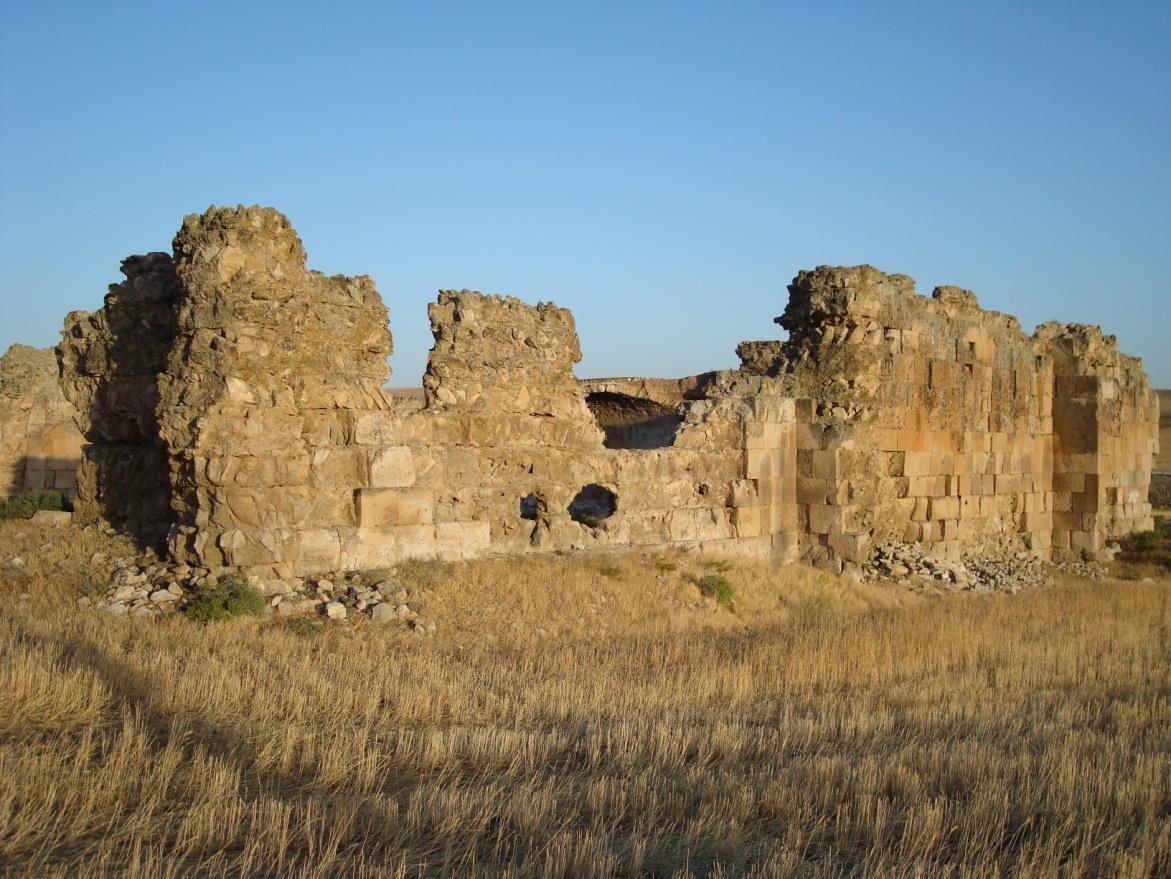
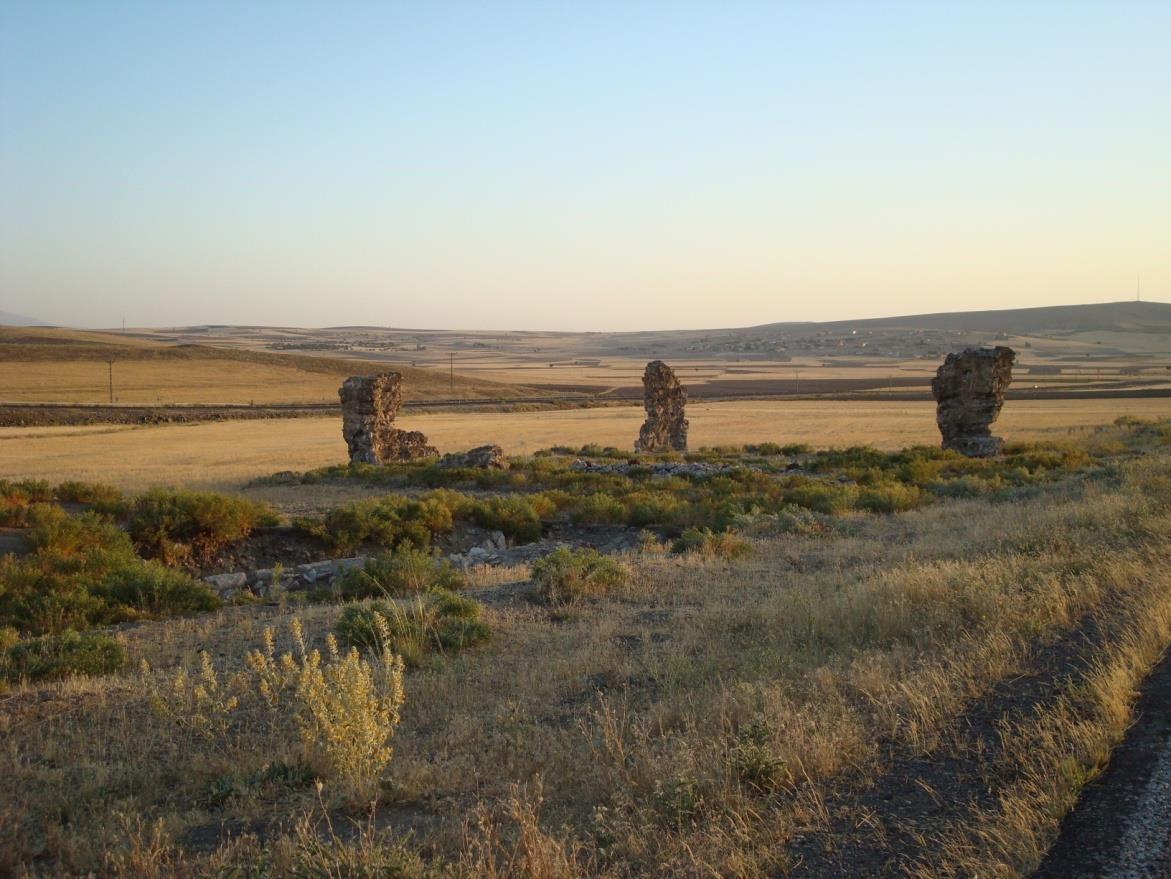
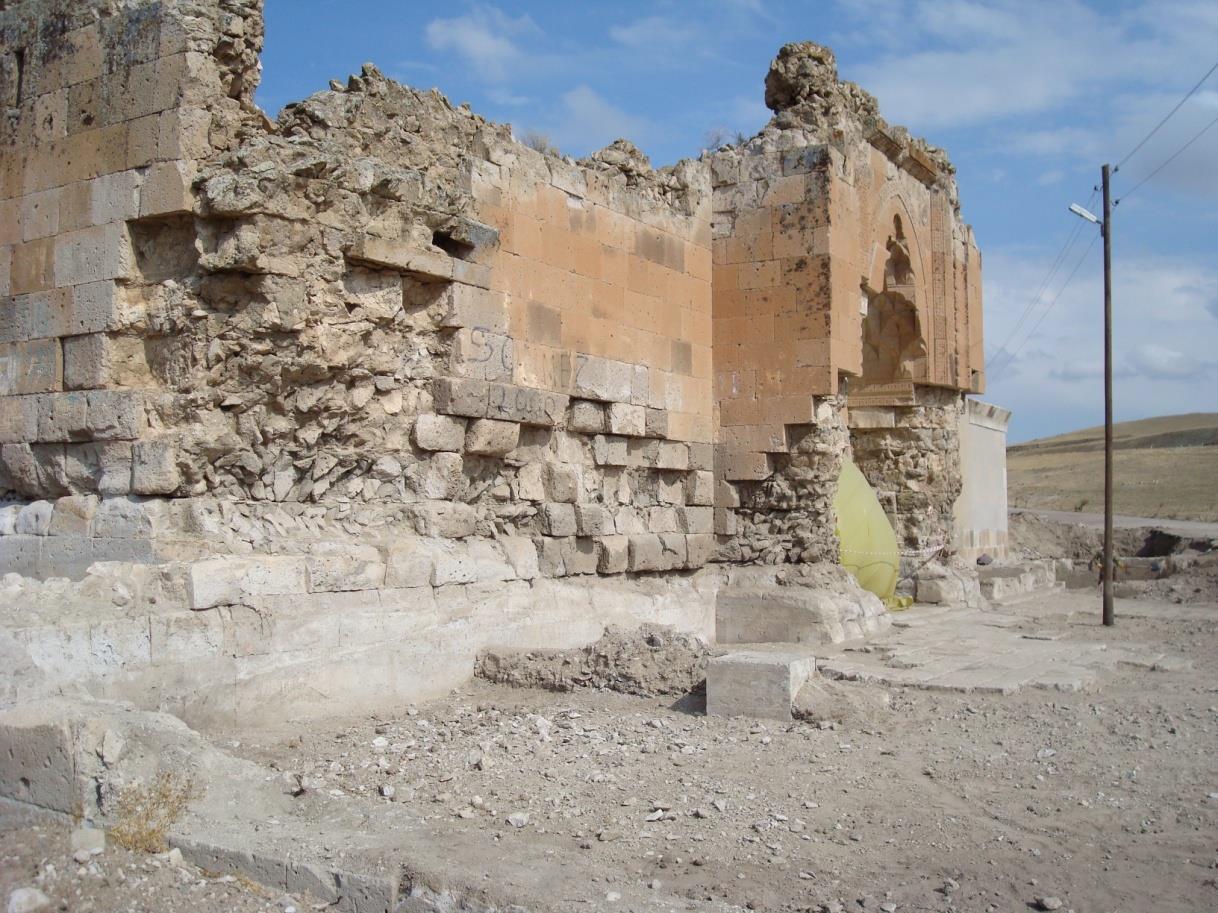
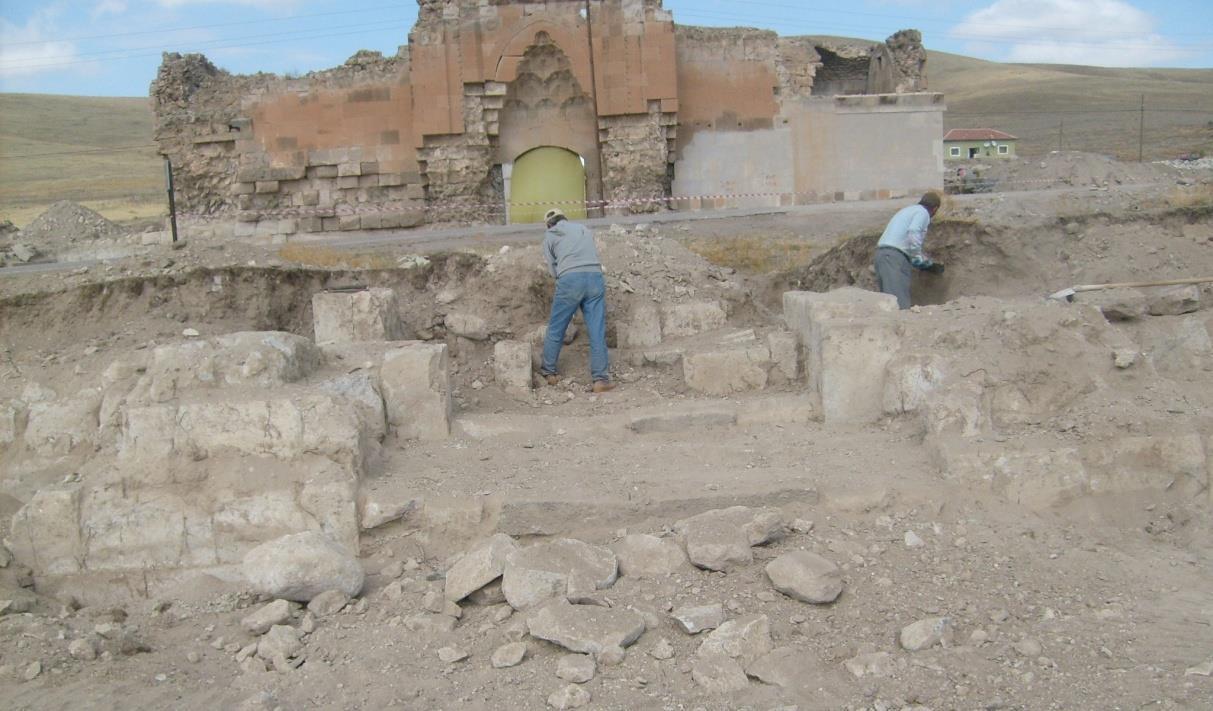
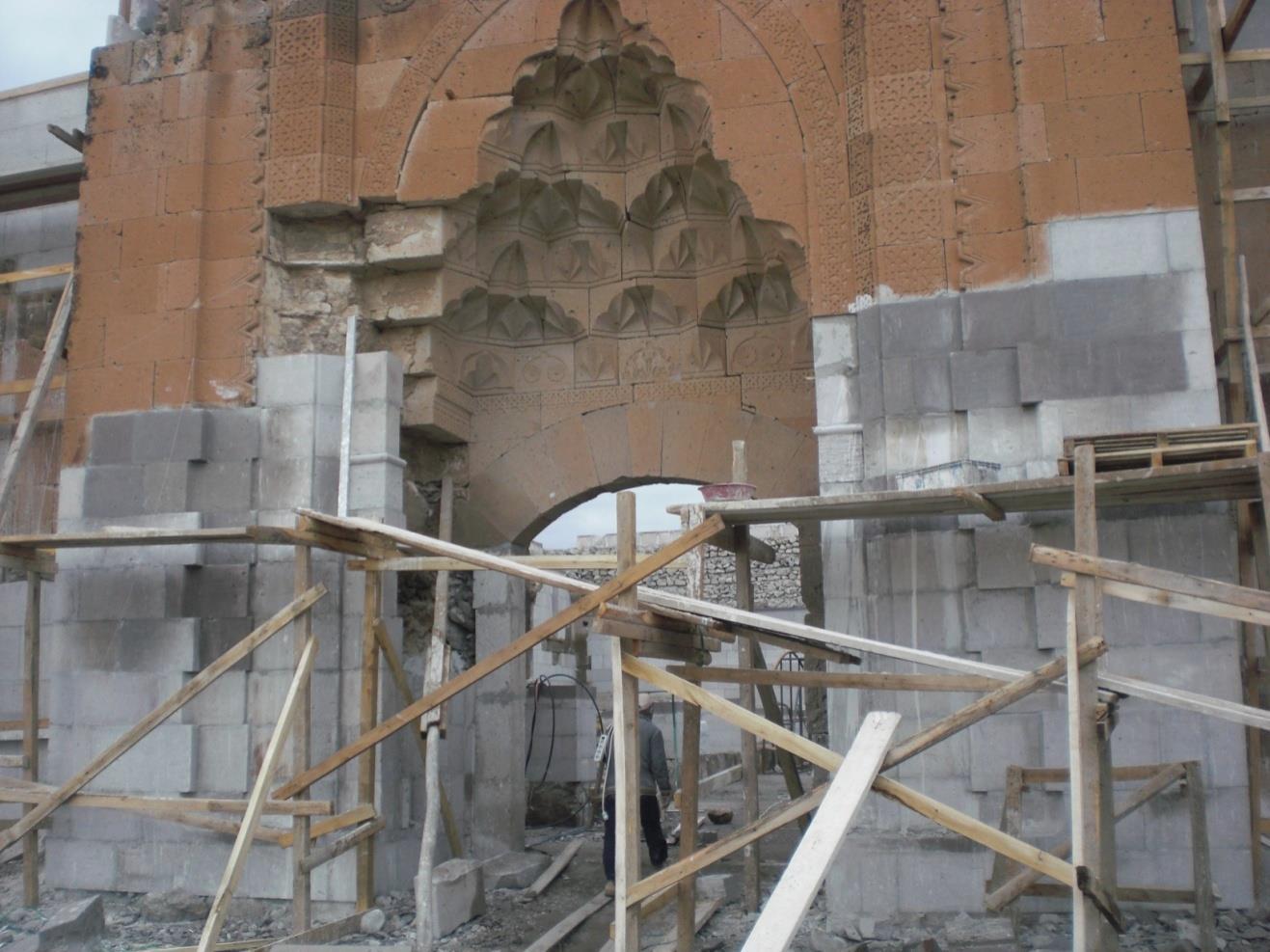
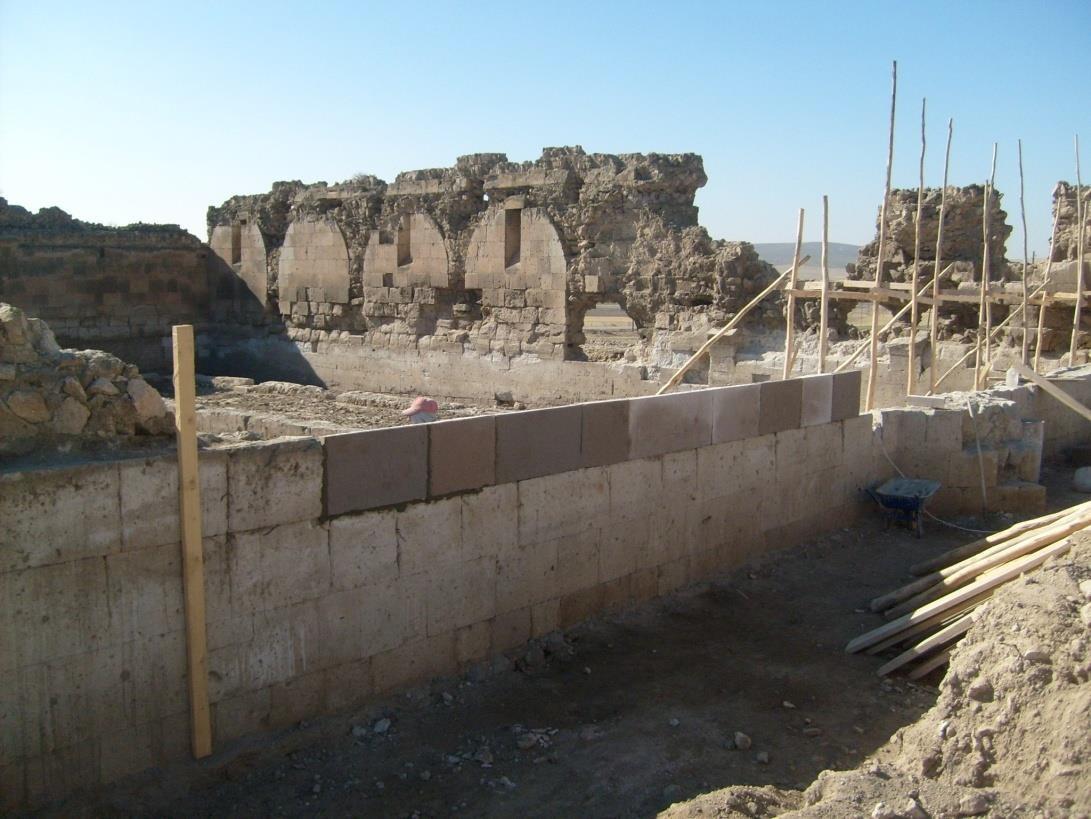
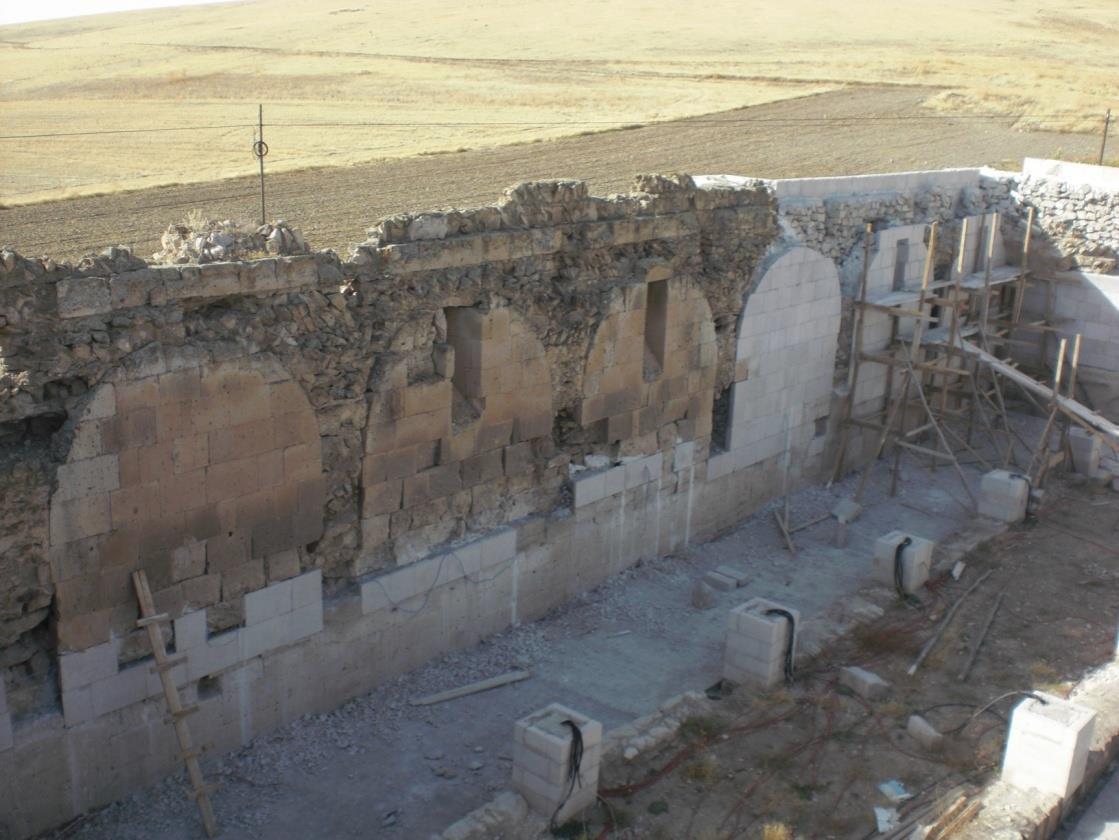
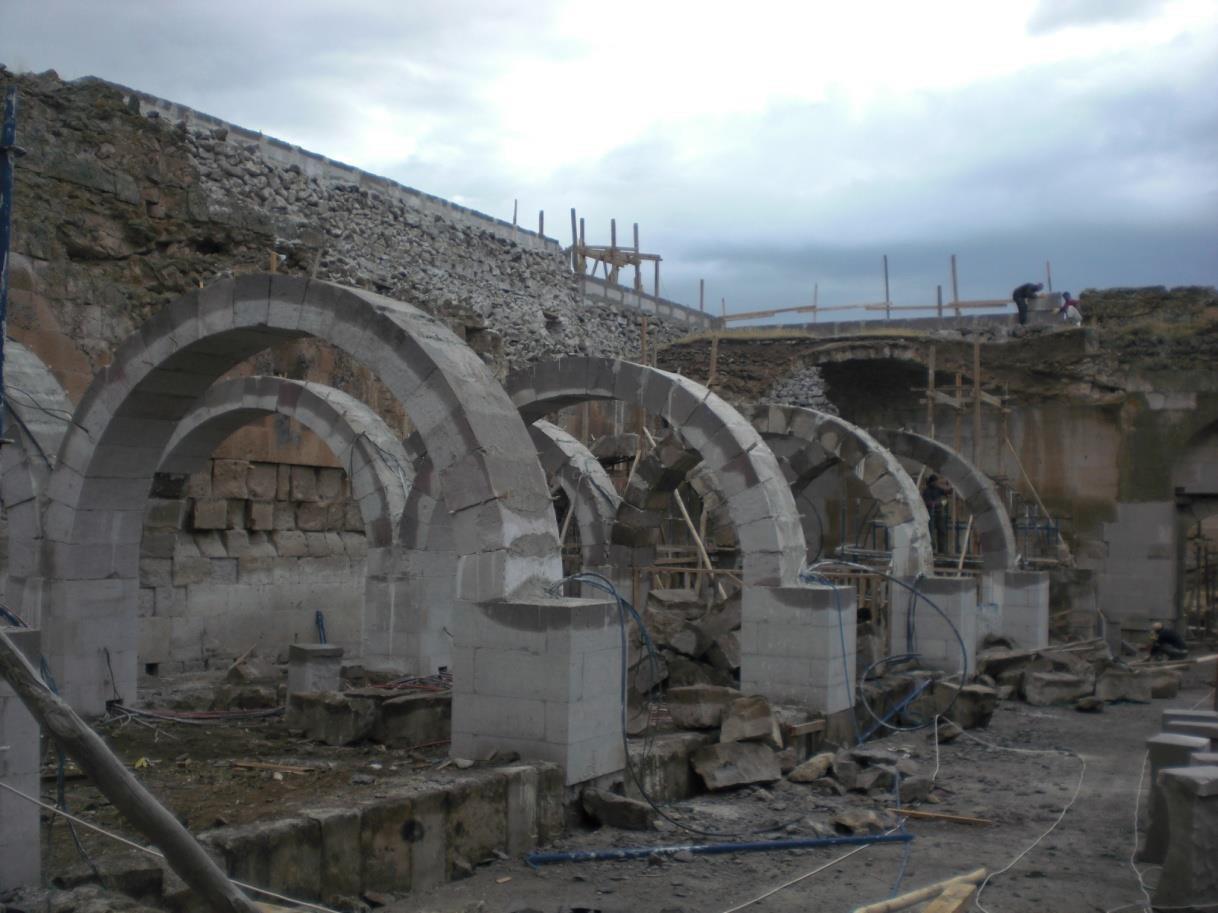
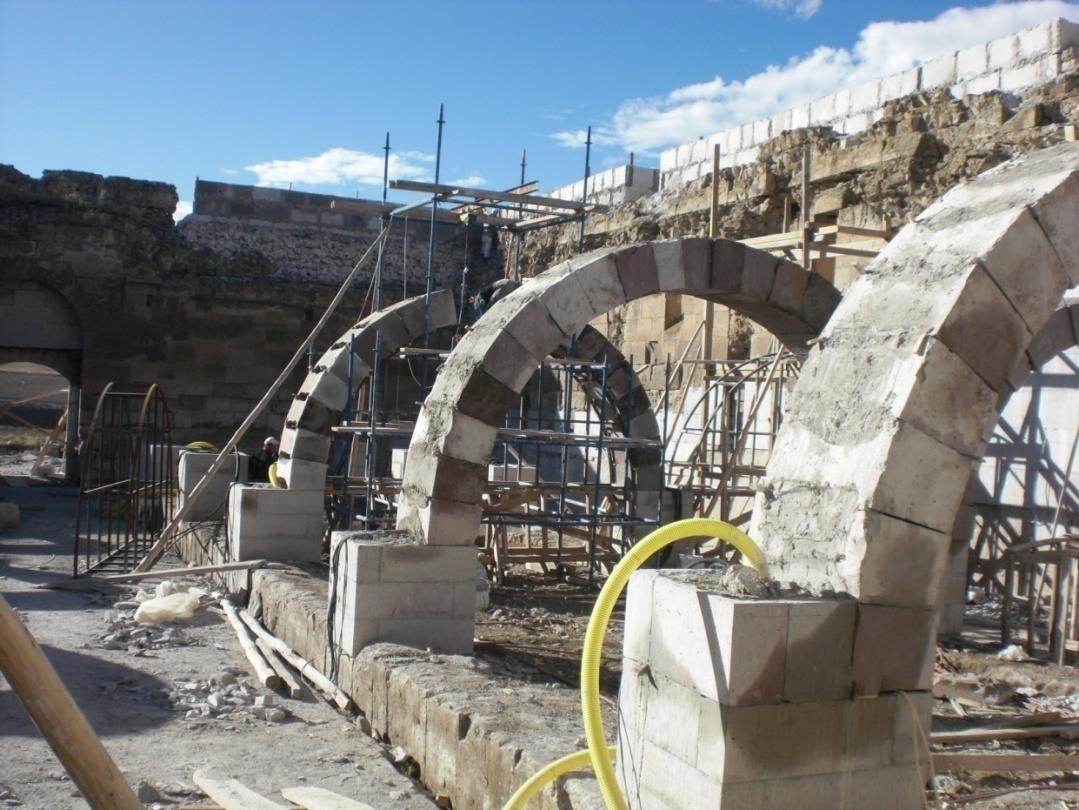
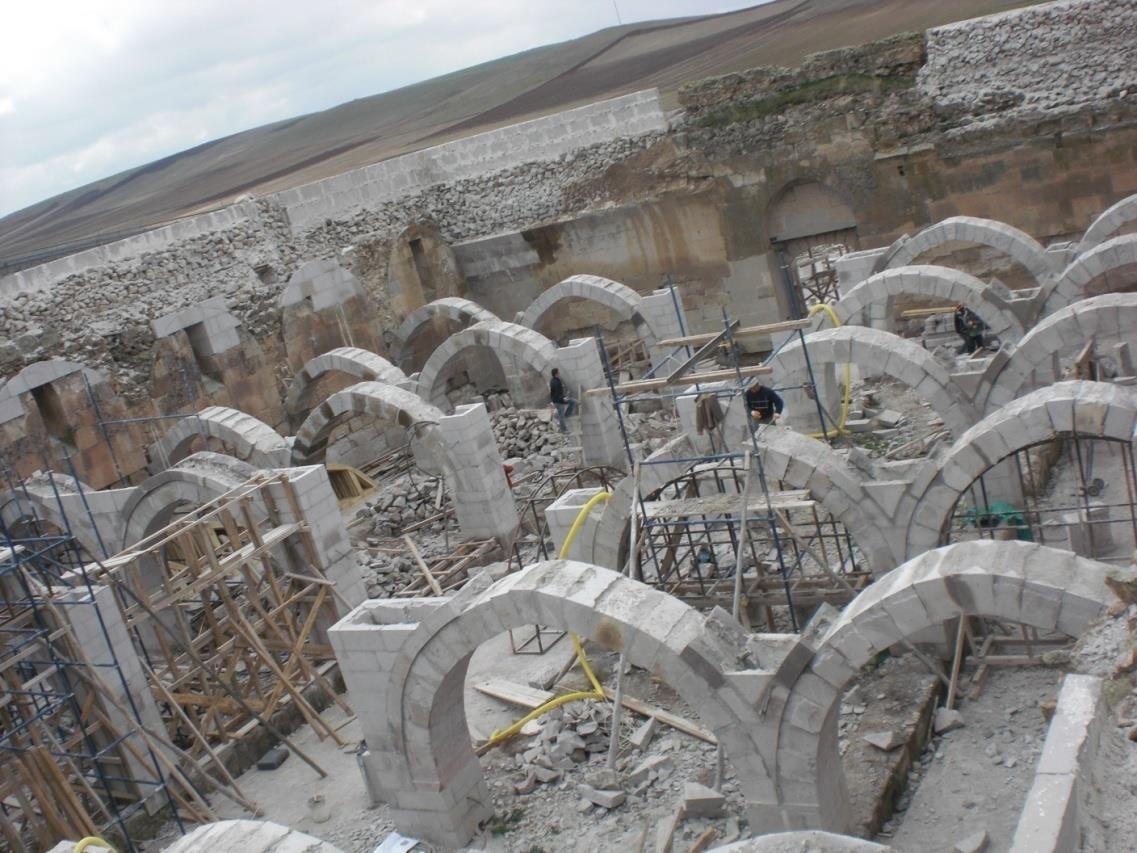
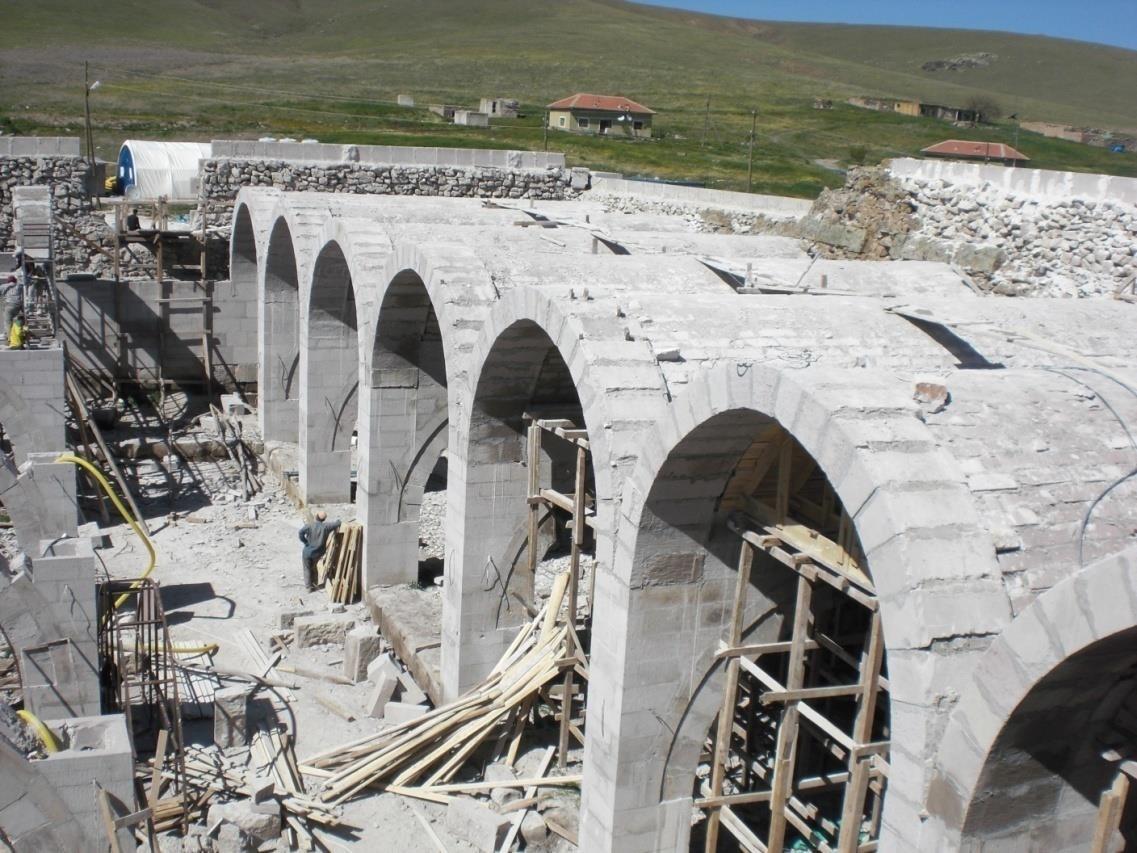
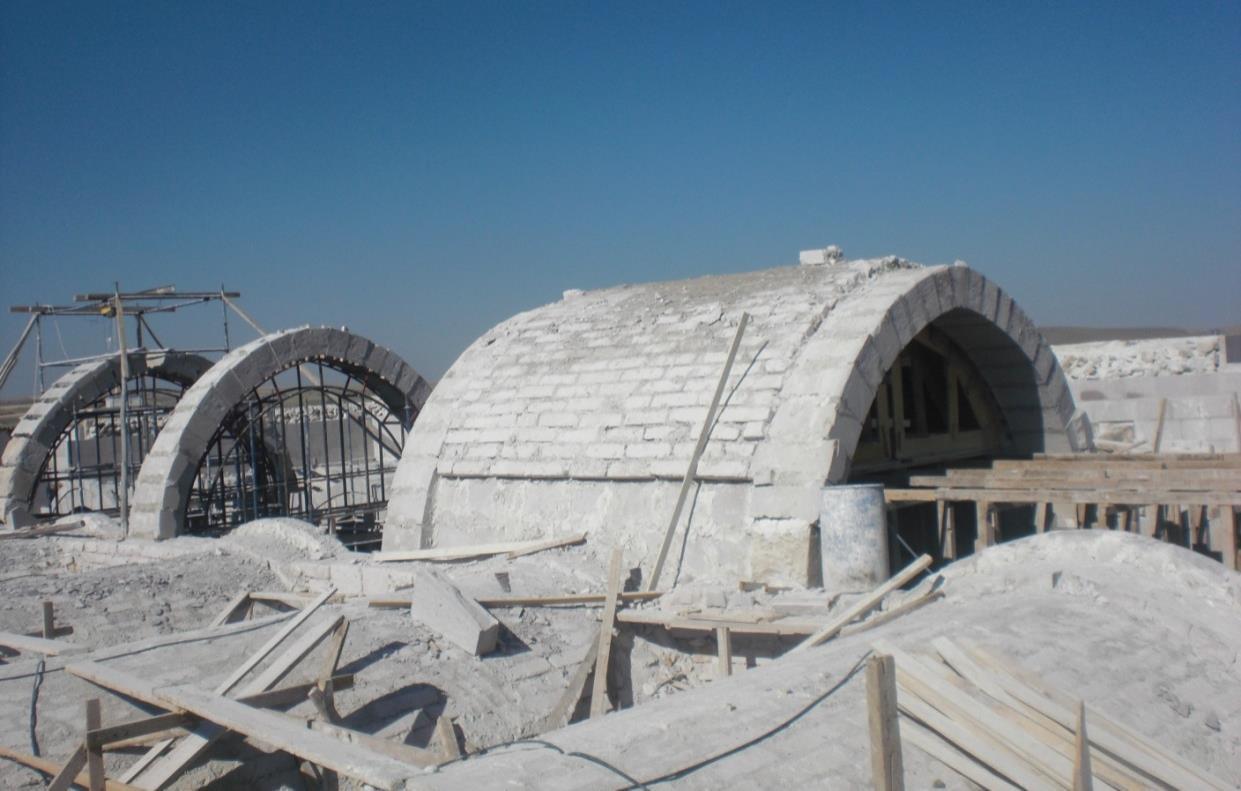
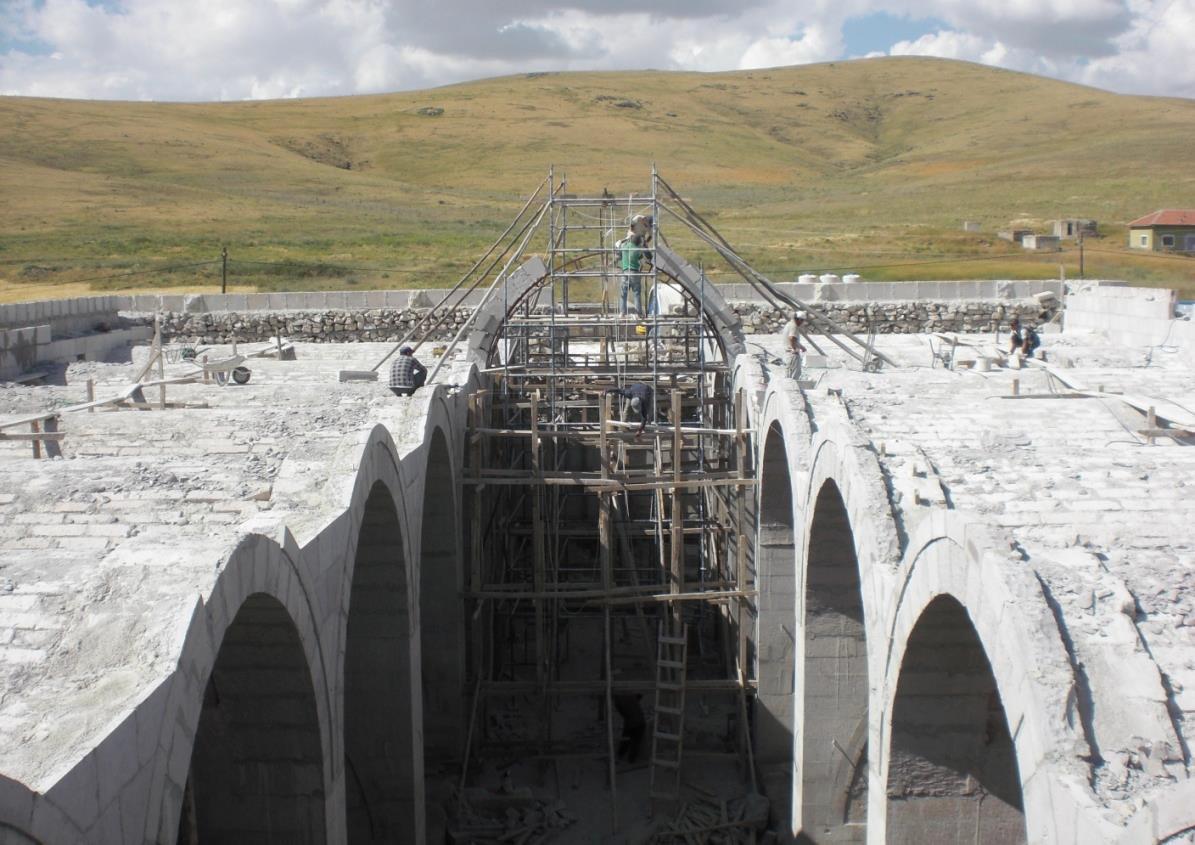
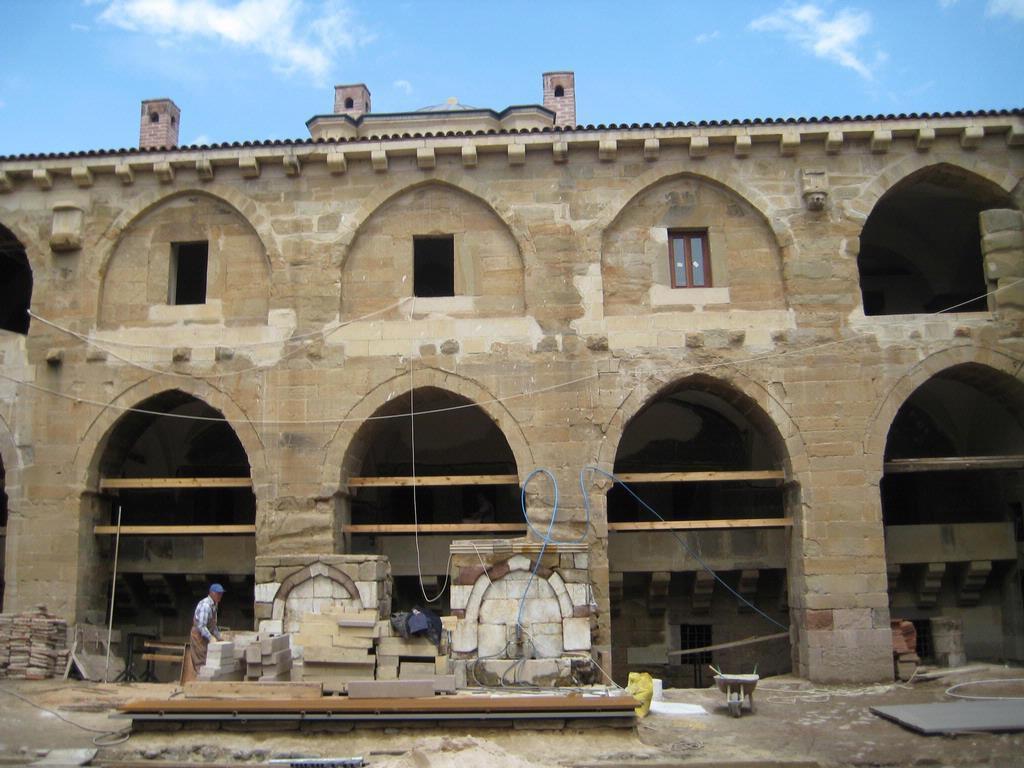
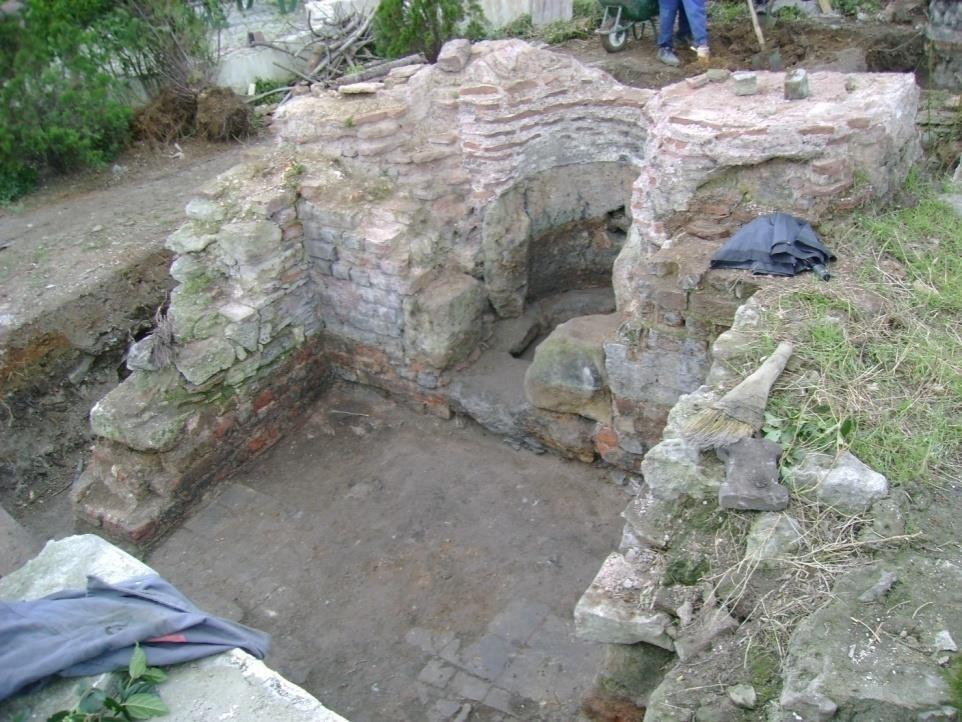
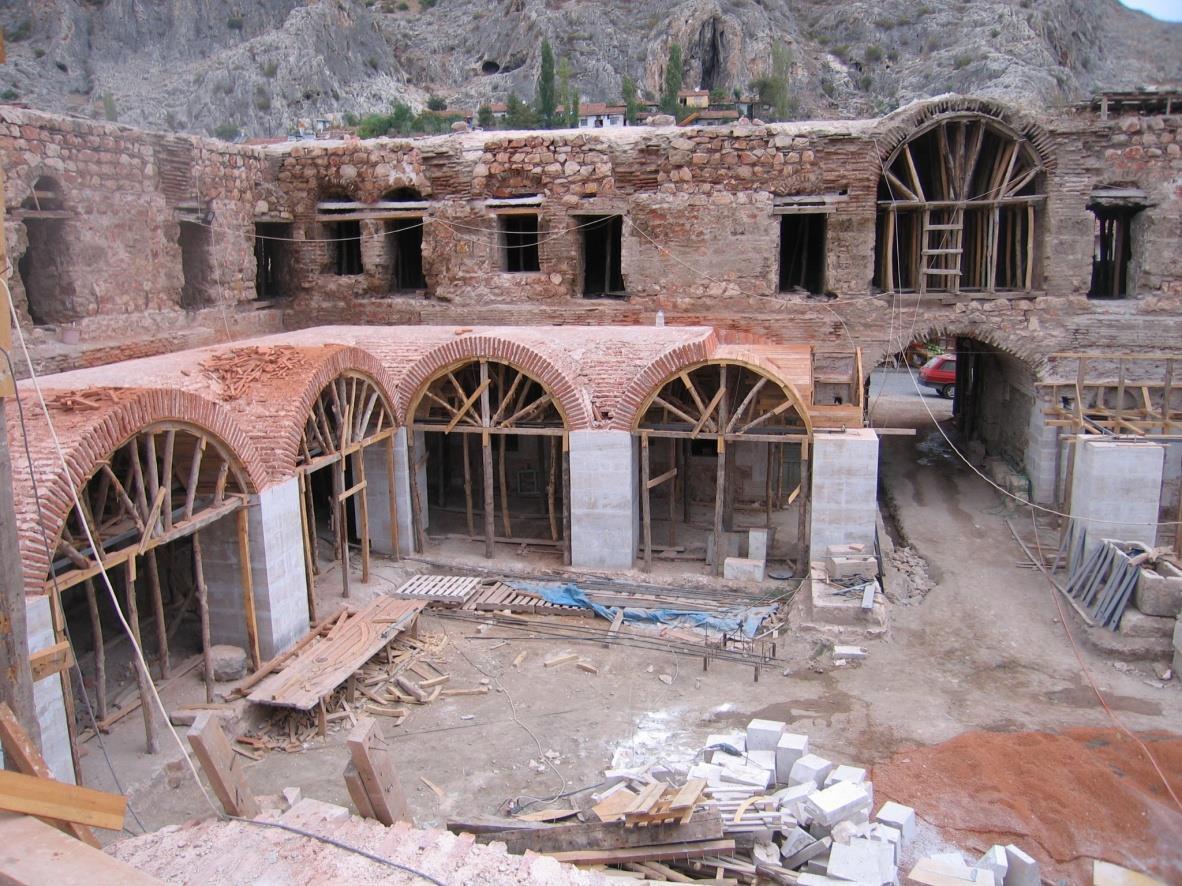
The caravanserai was built using the load-bearing masonry technique with cut stone over an area of approximately 2,000 square meters. During its restoration, archaeological excavations were carried out to determine its boundaries, and the han was re-erected through reconstruction.

  • Aksaray
  • Regional Directorate of Foundations

Restoration 2008-2012

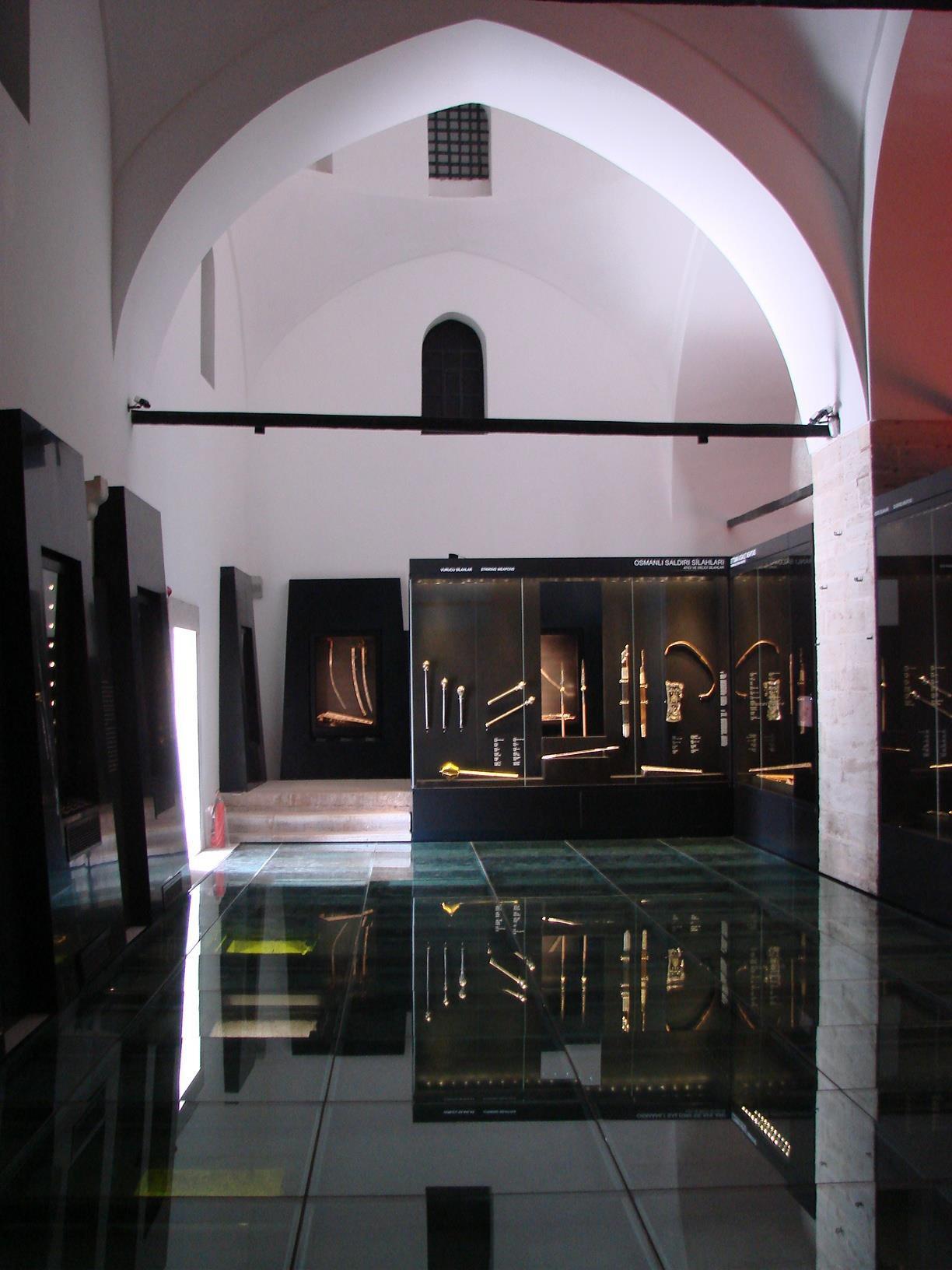
Tokat Deveciler Inn Restoration

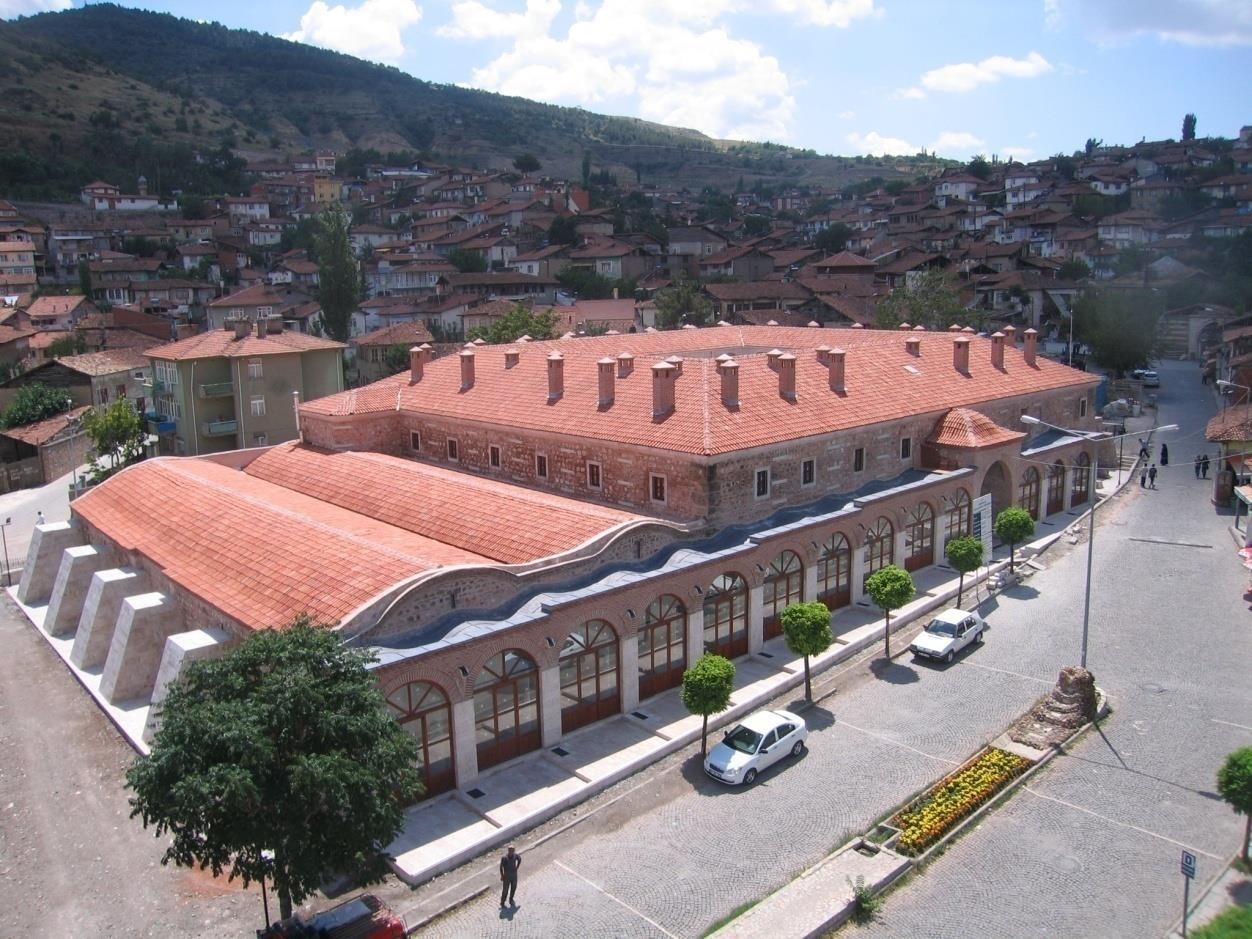
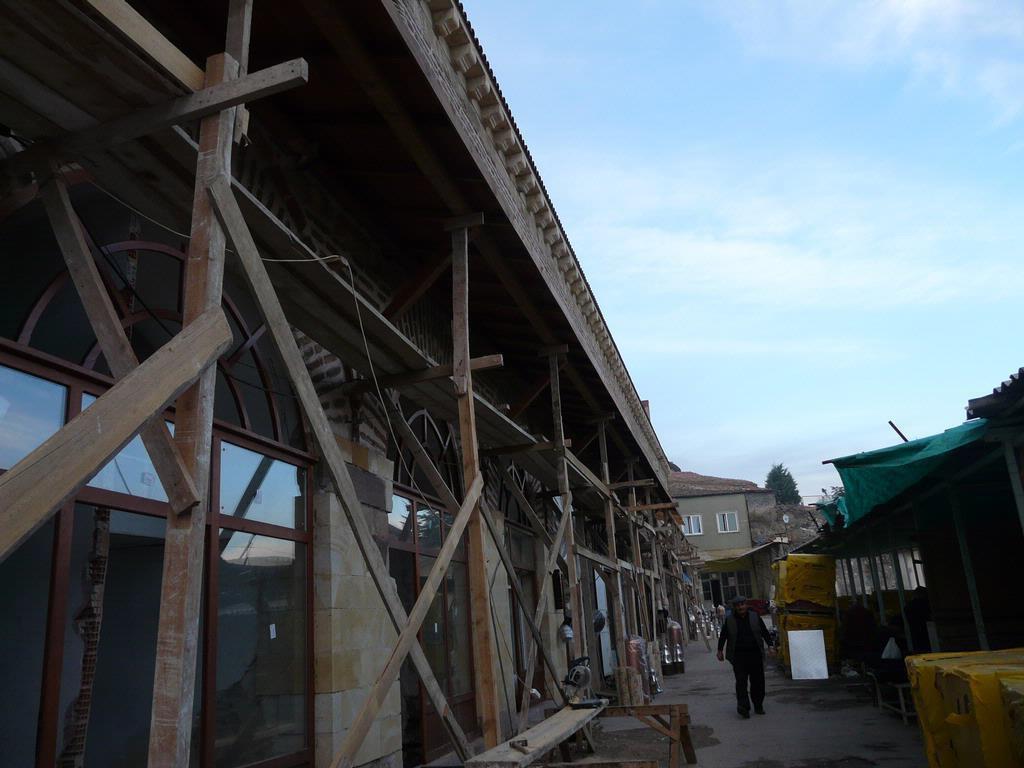
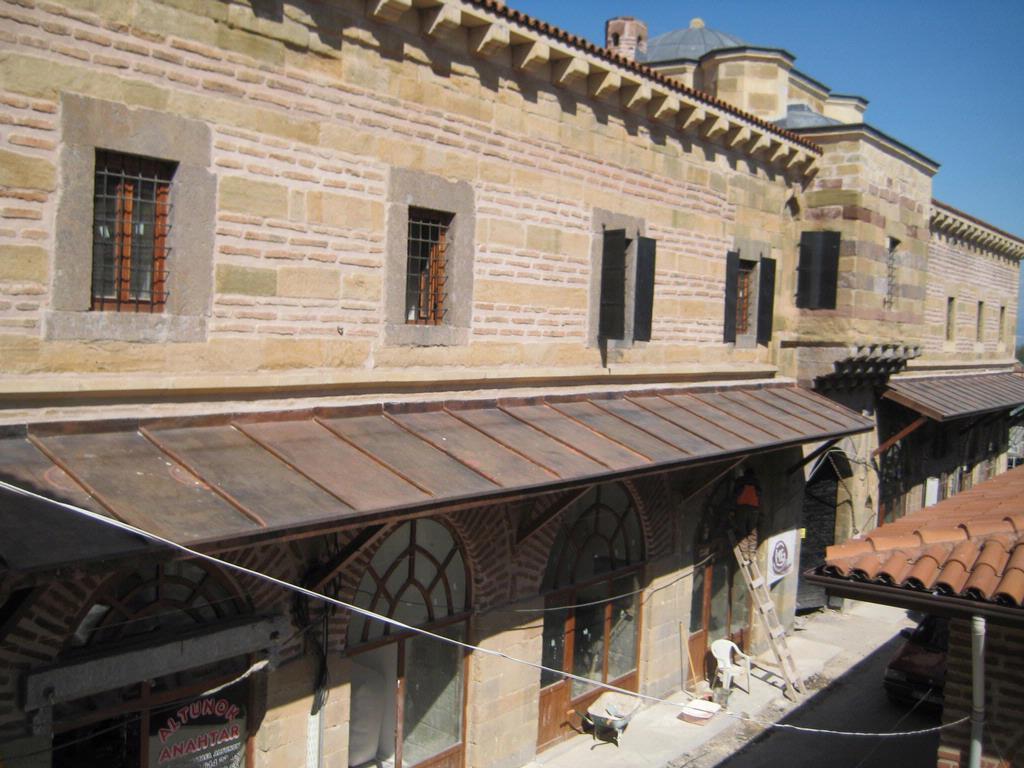
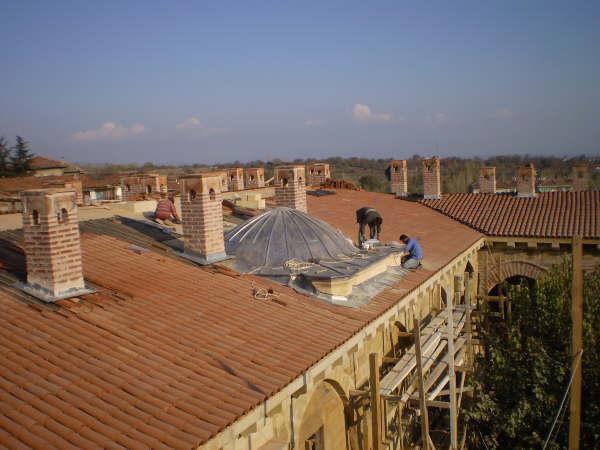
The inn is among the earliest examples of urban inns and is situated on the historic Silk Road. While the inn offers accommodation, its camel stable section also hosts events such as concerts and conferences.
  • Tokat
  • Regional Directorate of Foundations

Restoration 2008-2010

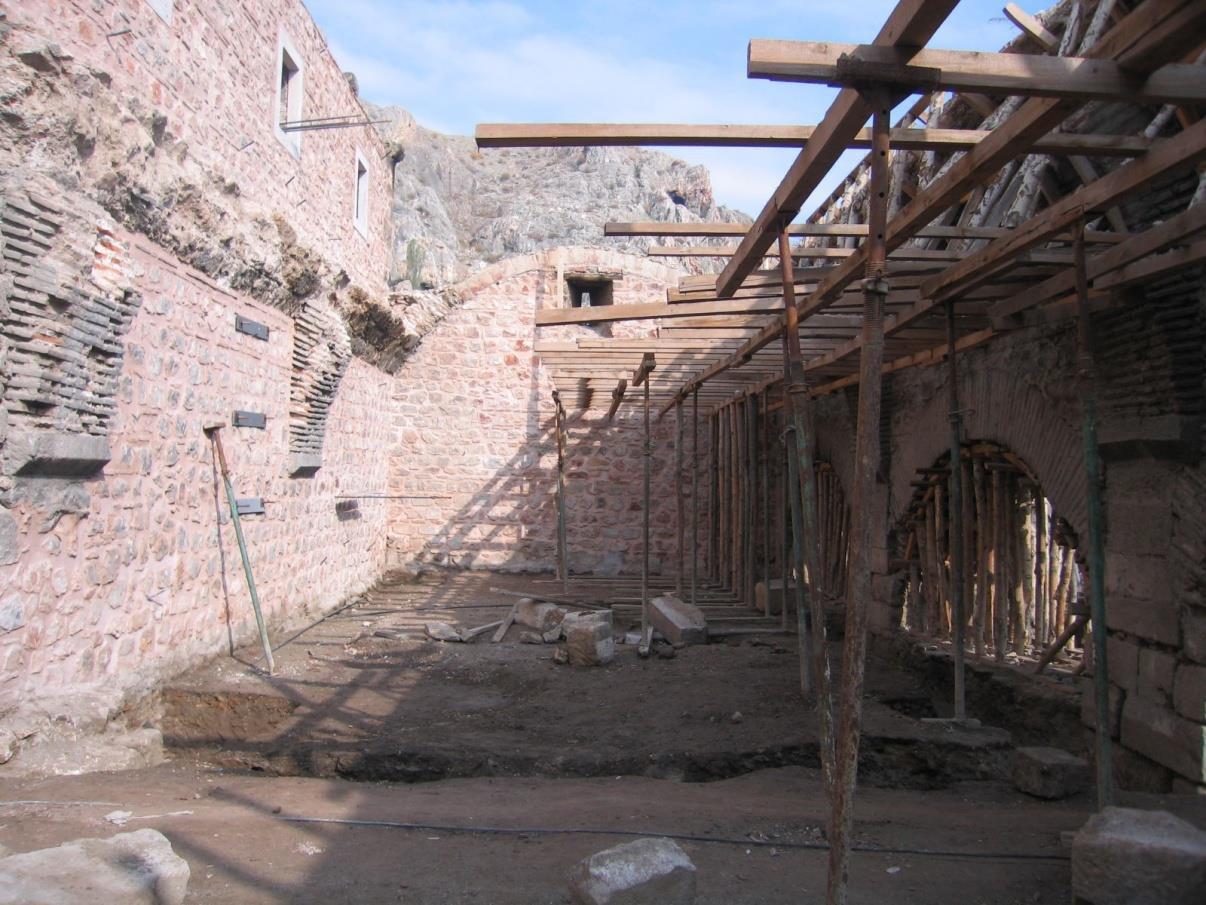
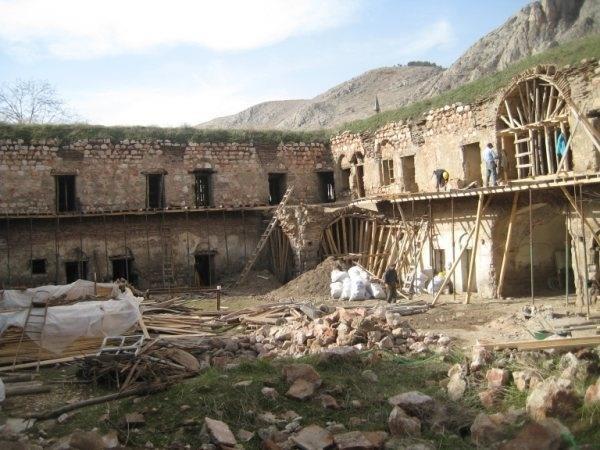
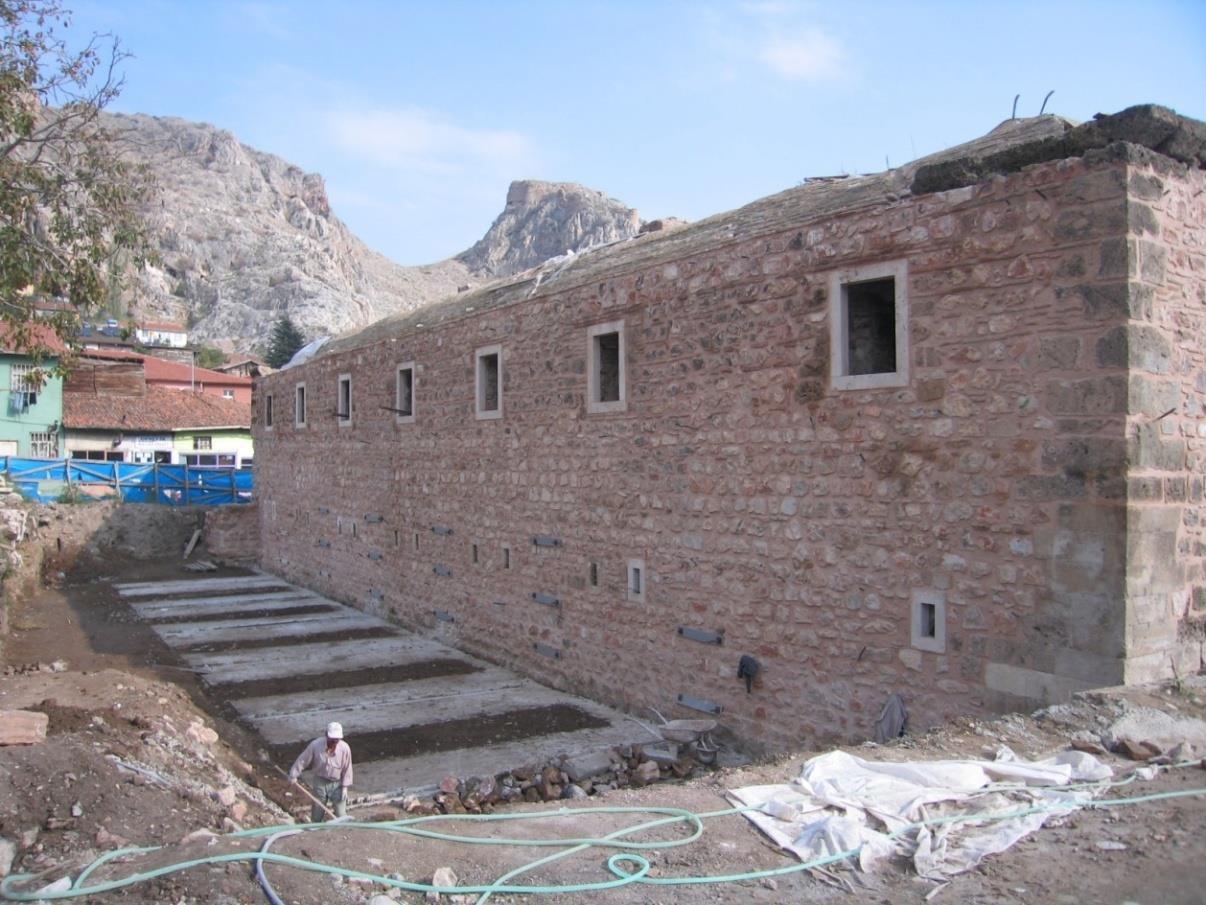
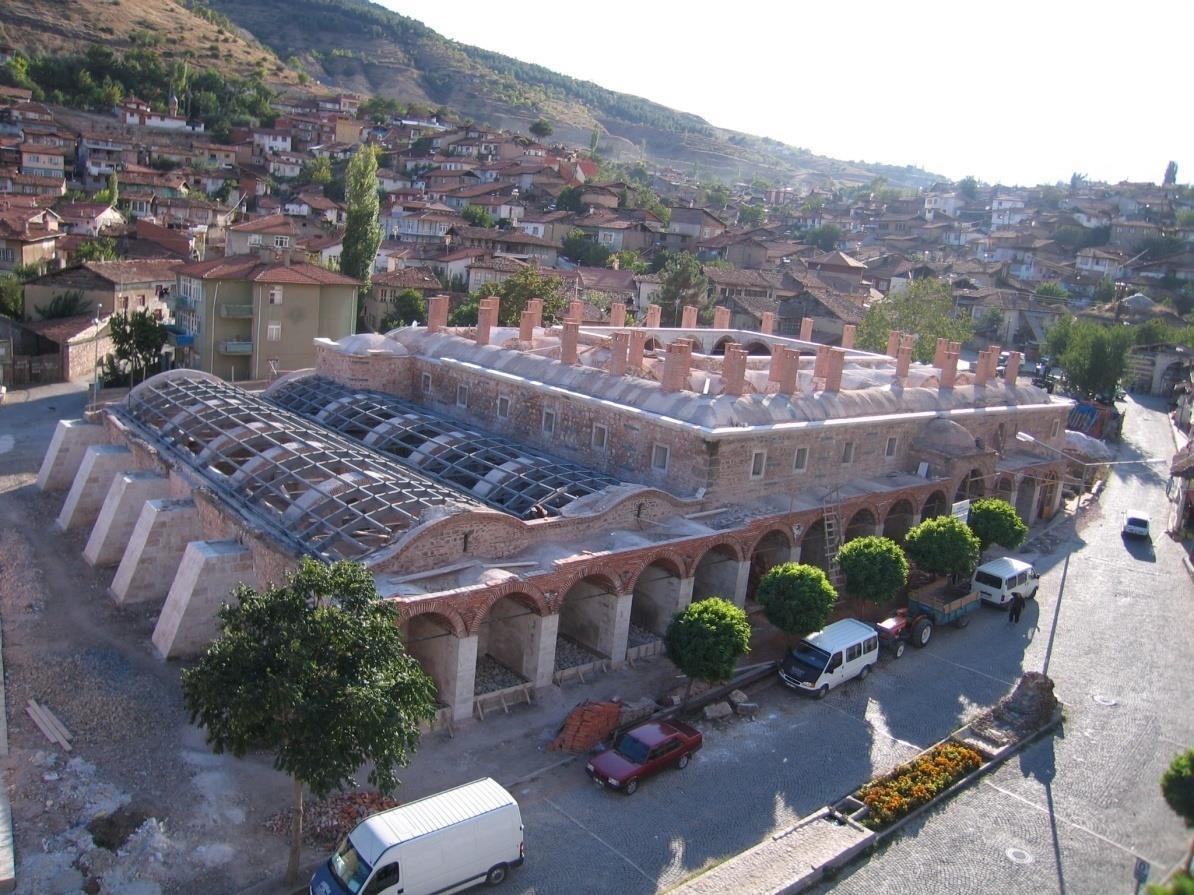
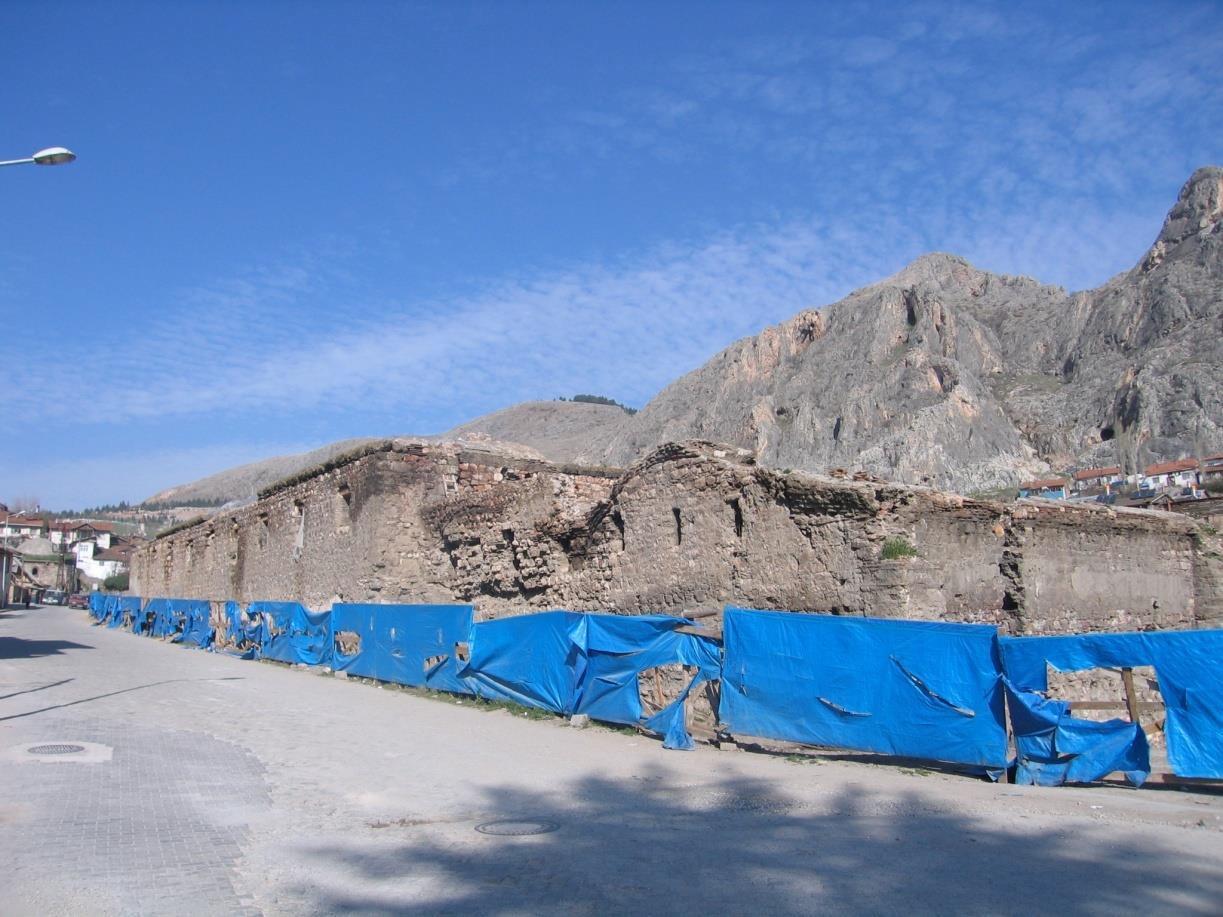
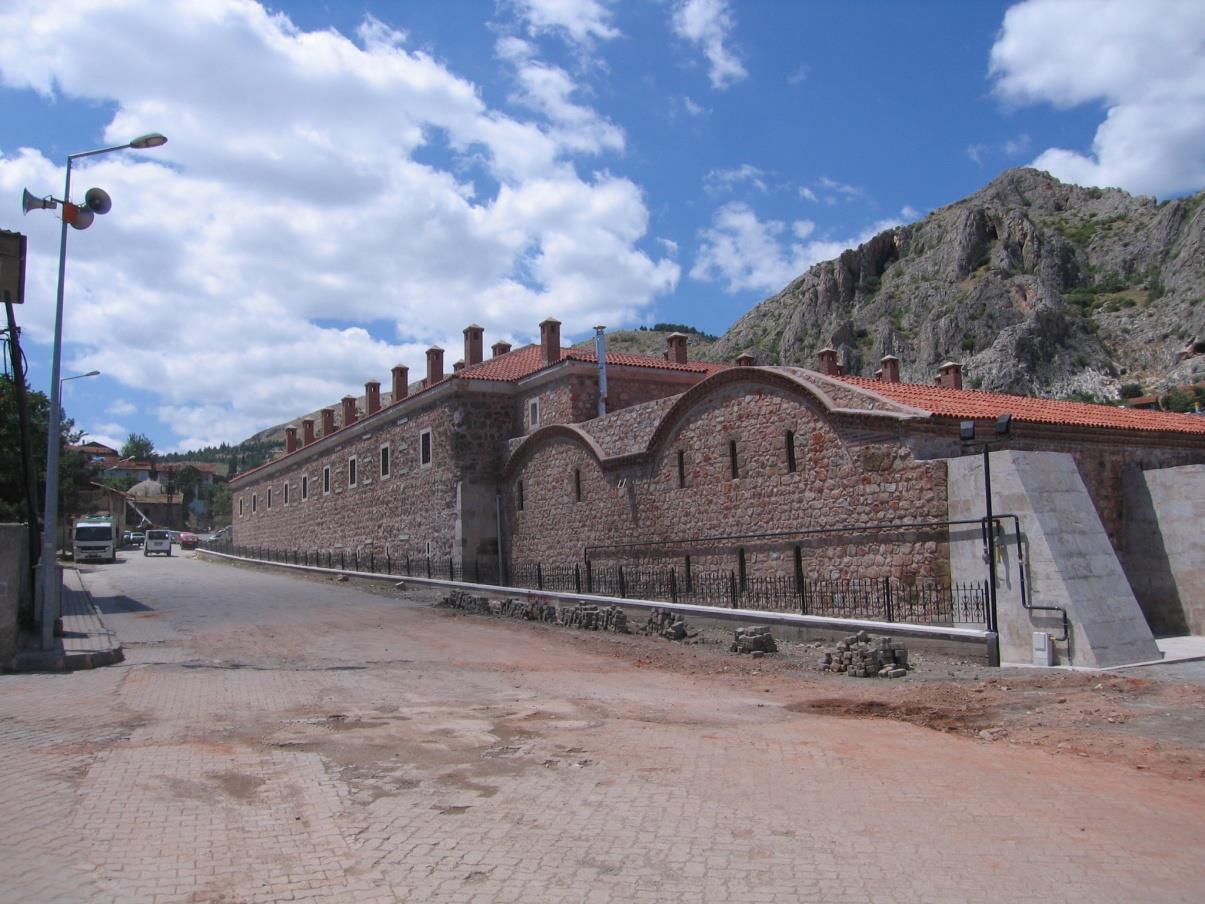
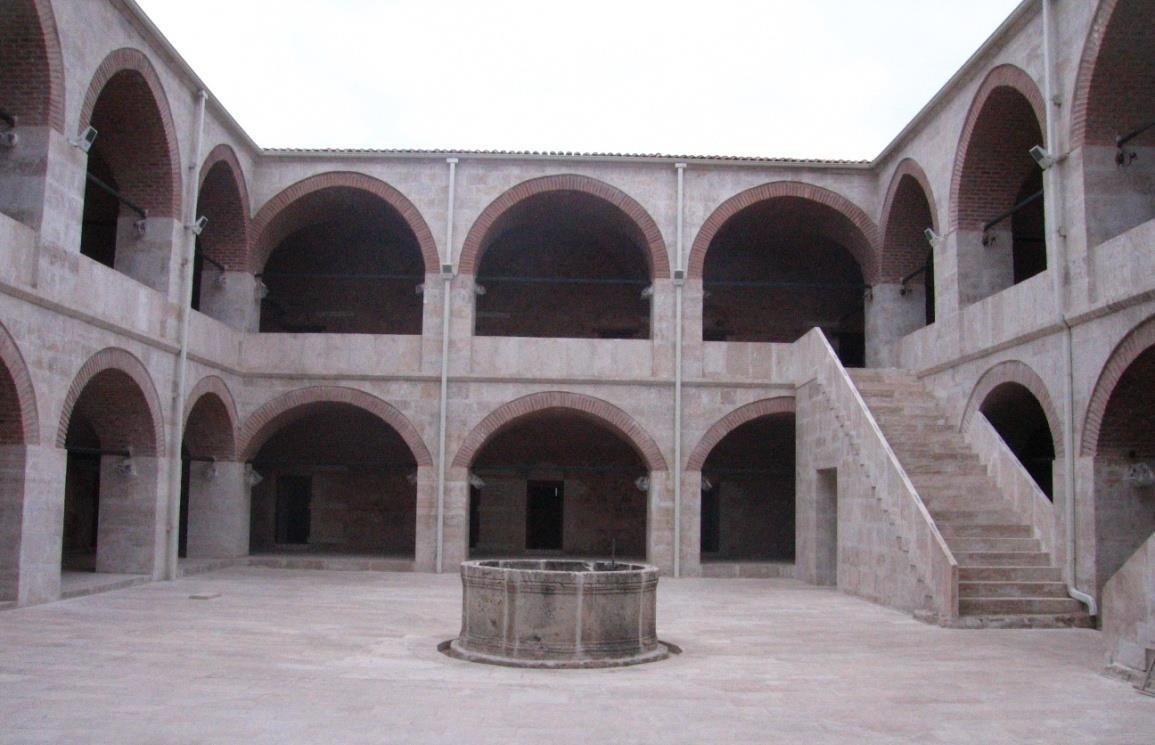
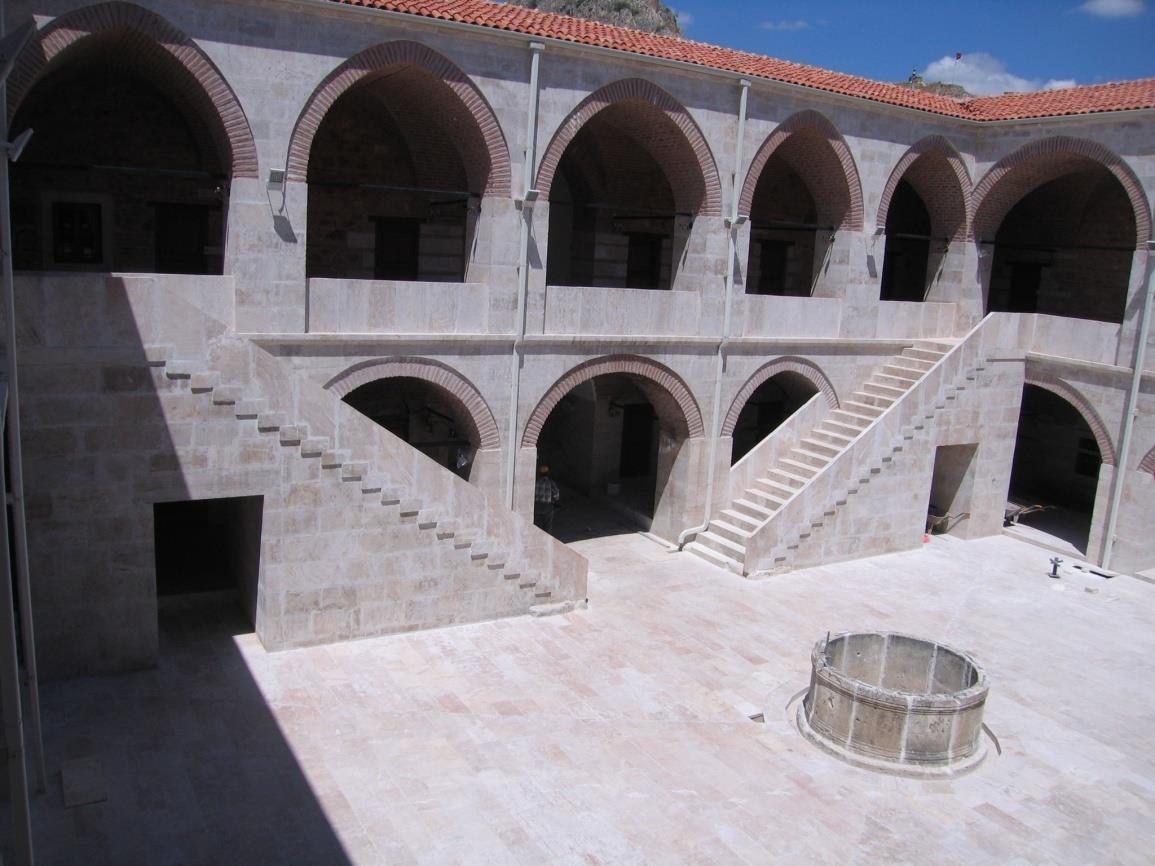
Amasya Taş Han Restoration

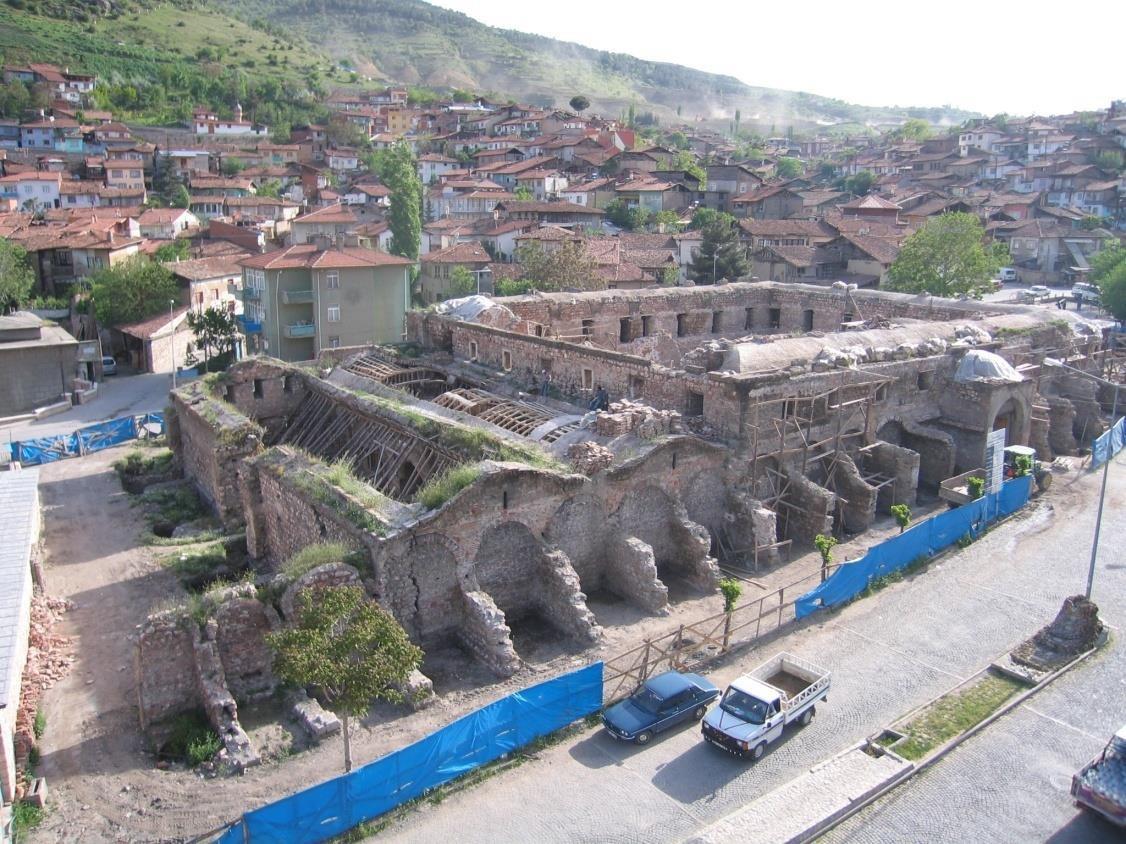
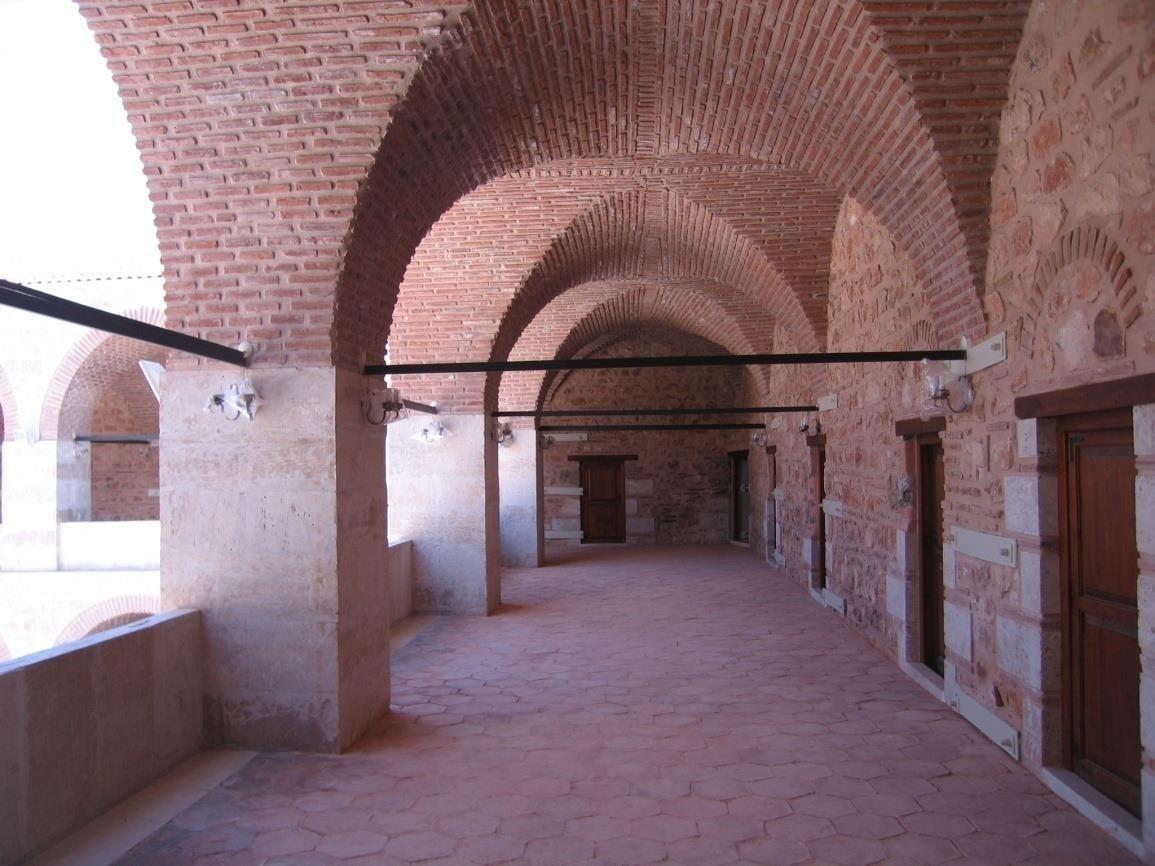
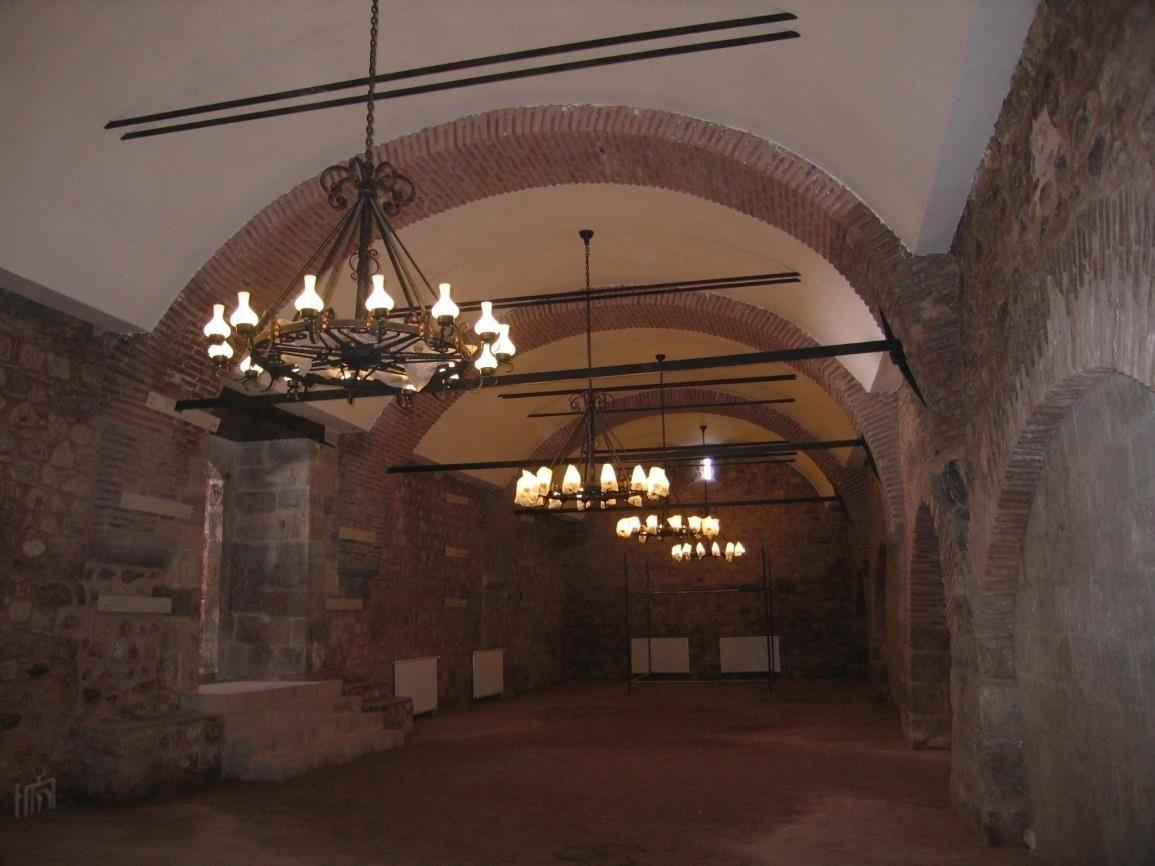
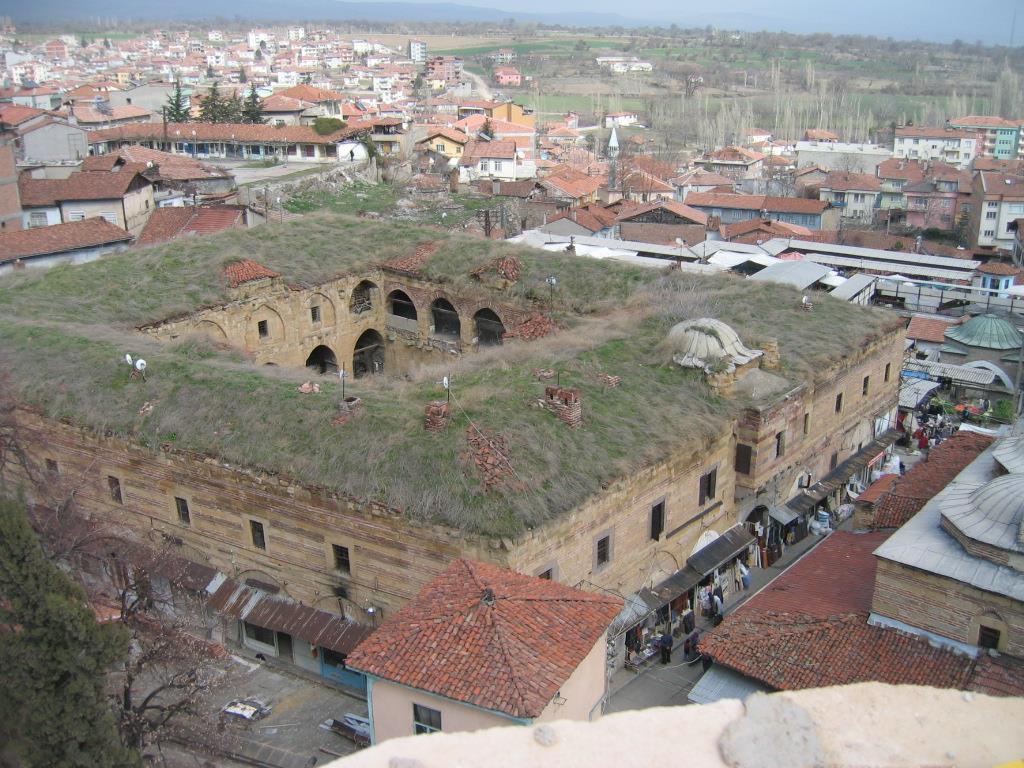
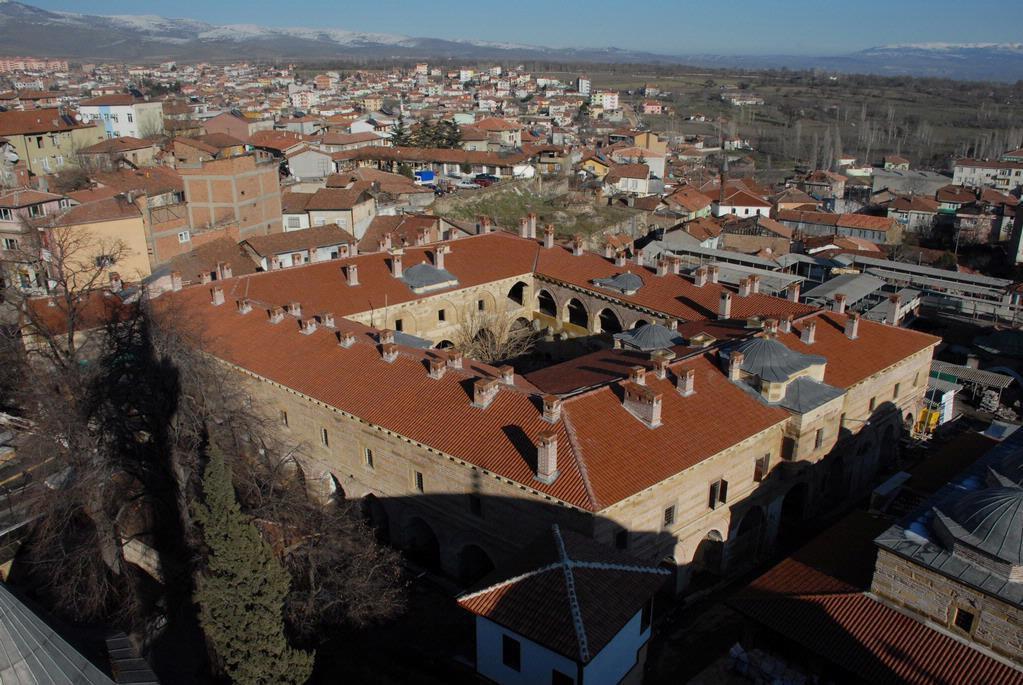
A typical example of Ottoman urban inns, the han today serves as accommodation and a restaurant.

  • Merzifon, Amasya
  • Regional Directorate of Foundations

Restoration 2015-2016

Aziz Mahmut Hüdai Mausoleum Restoration

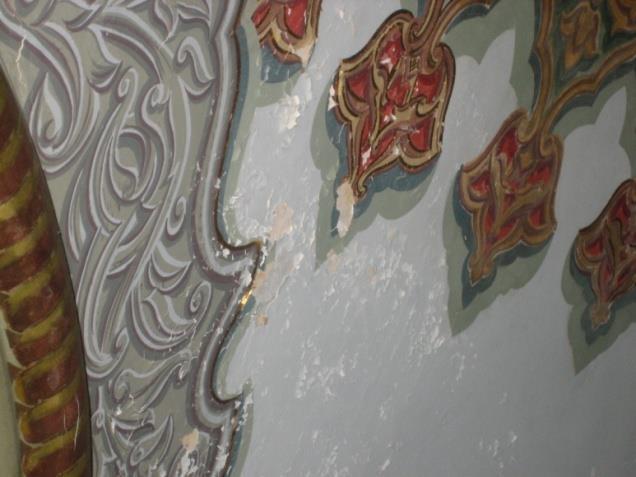
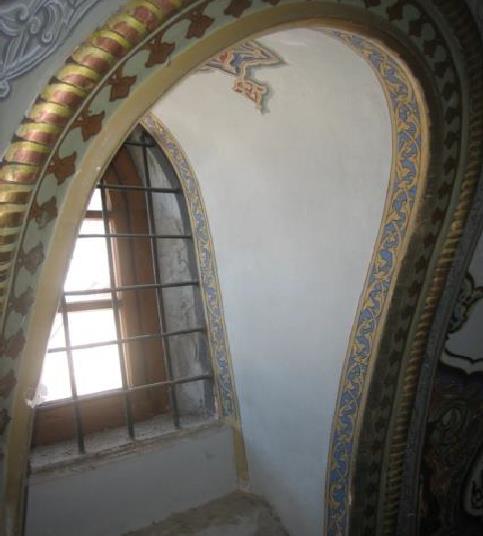
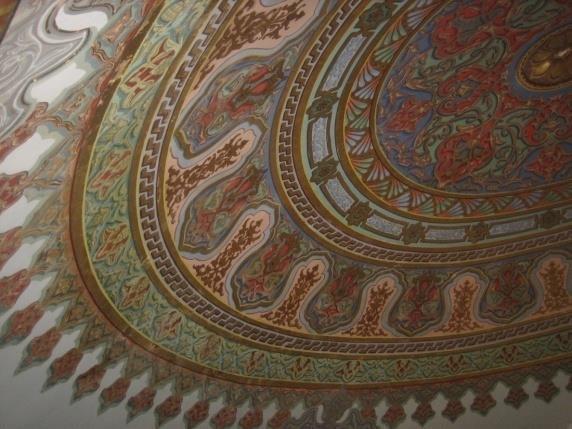
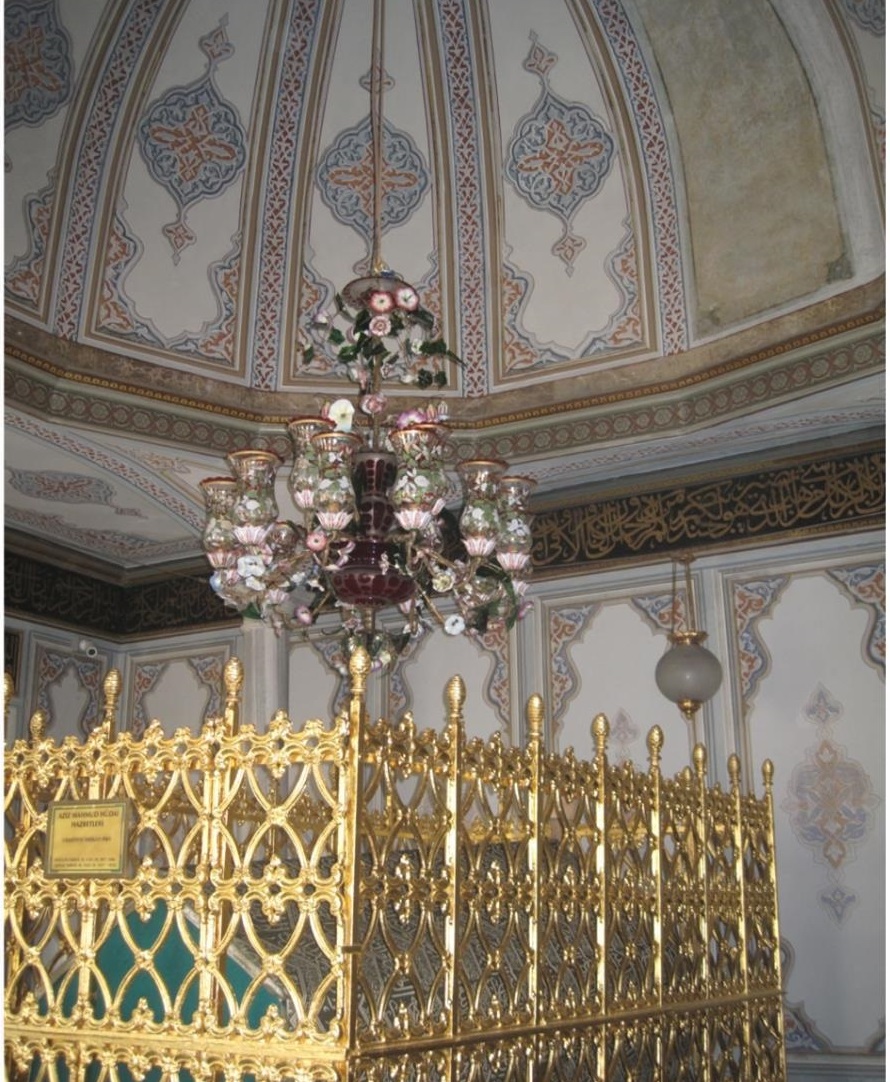
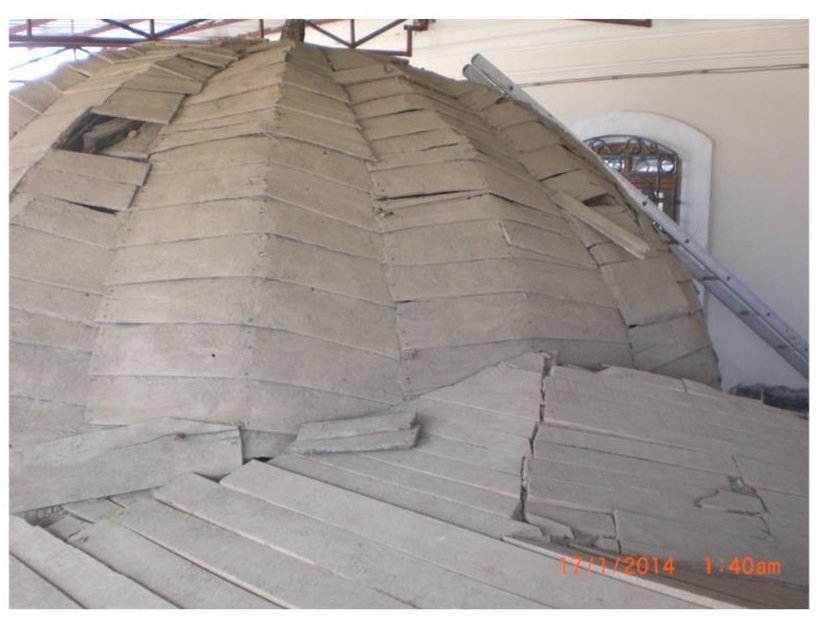
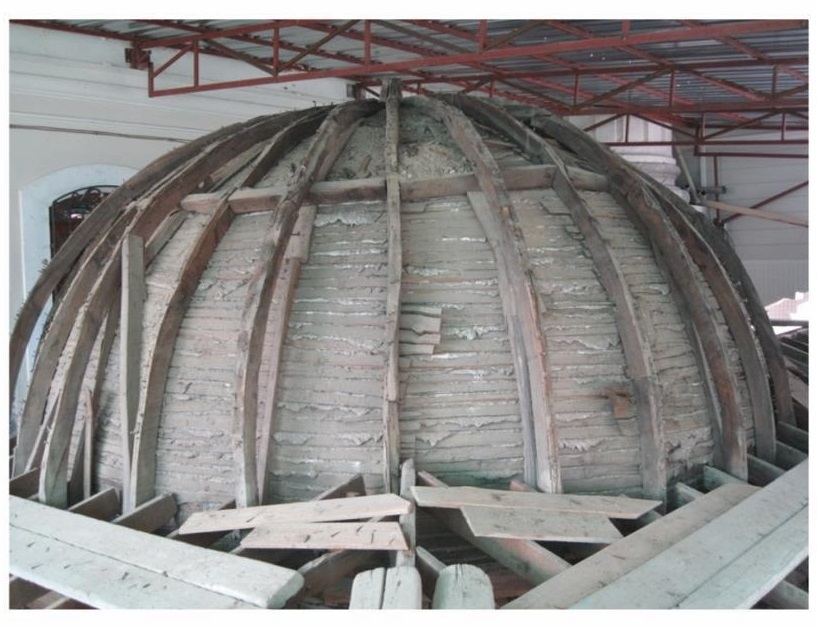
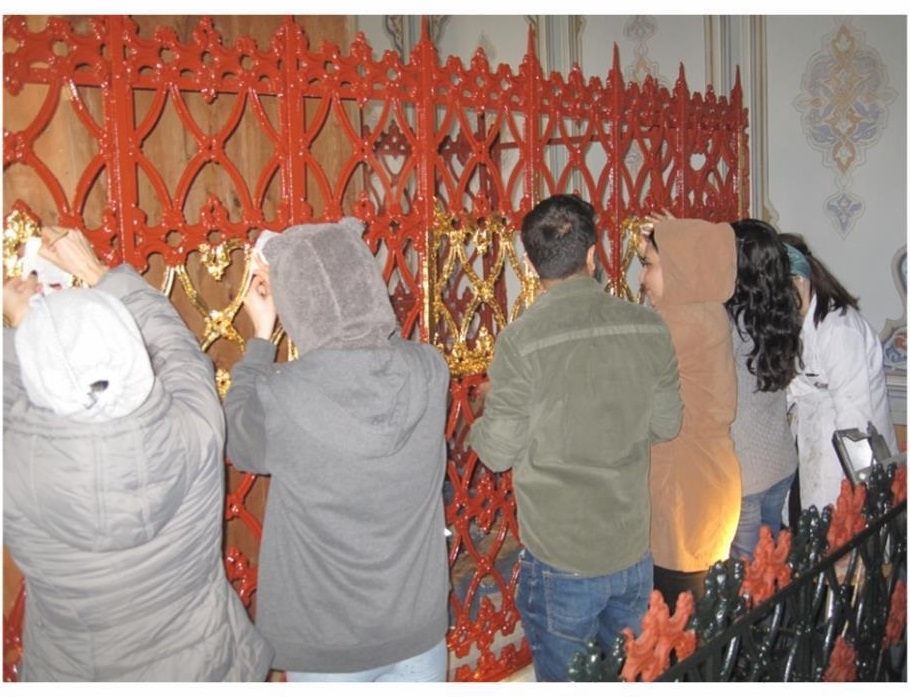
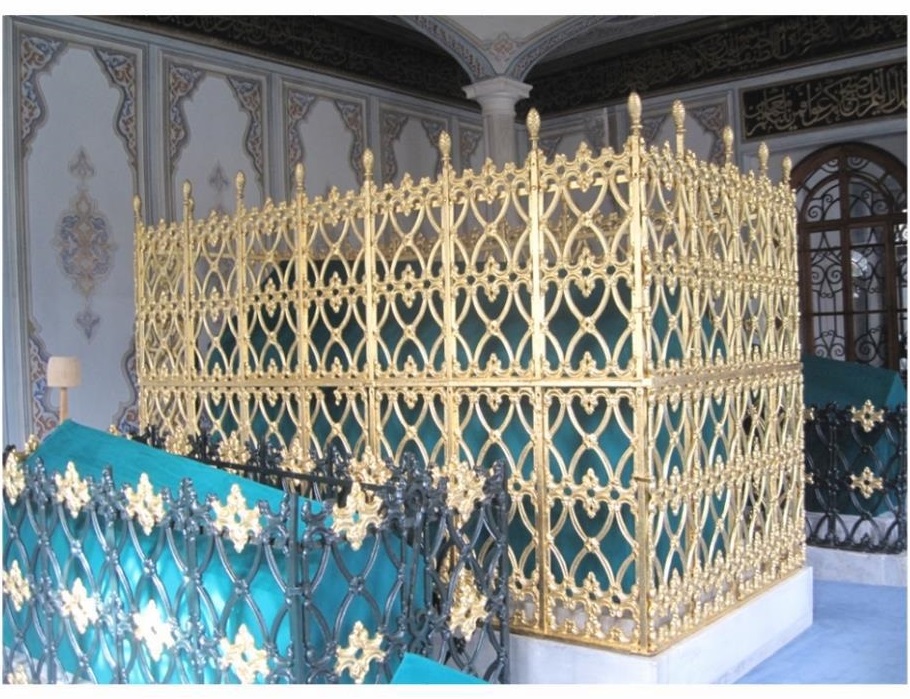
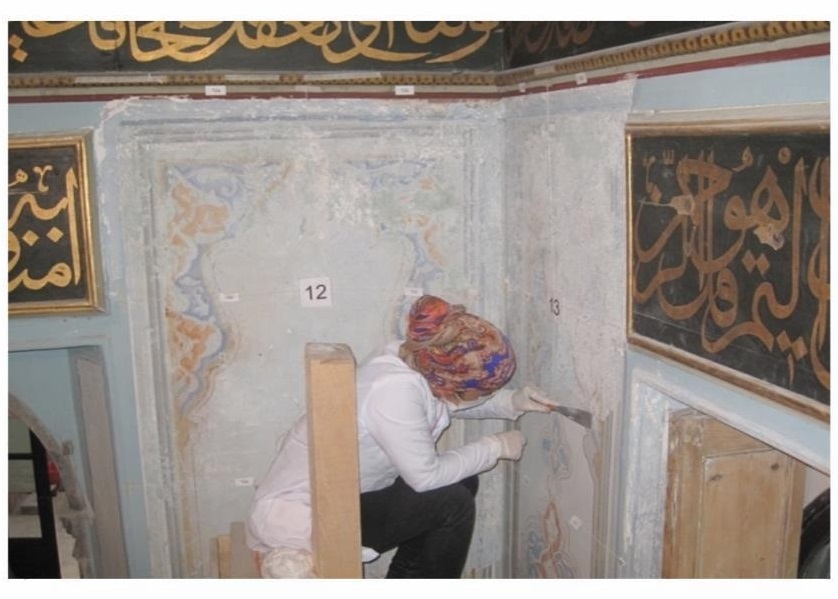
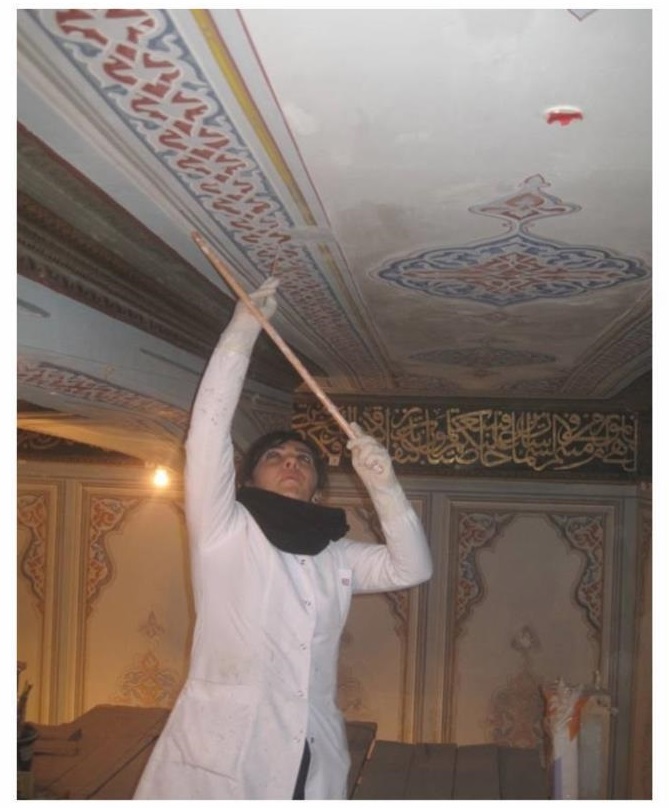
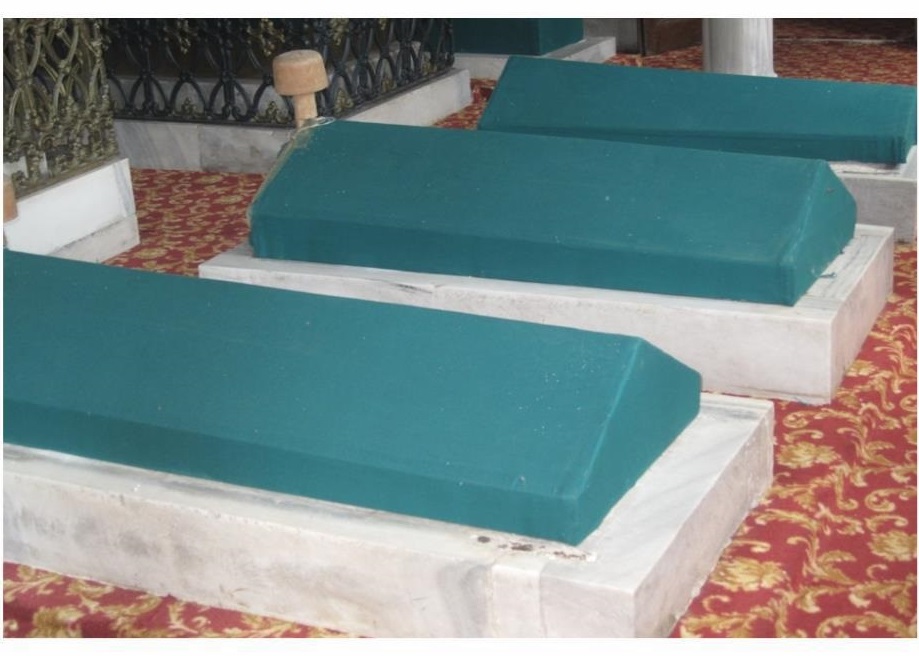
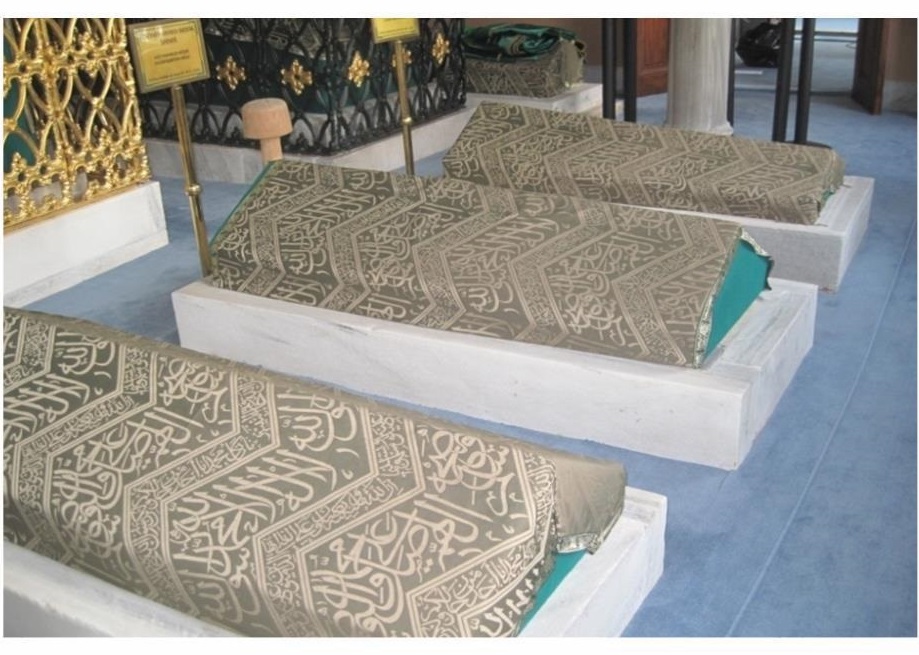
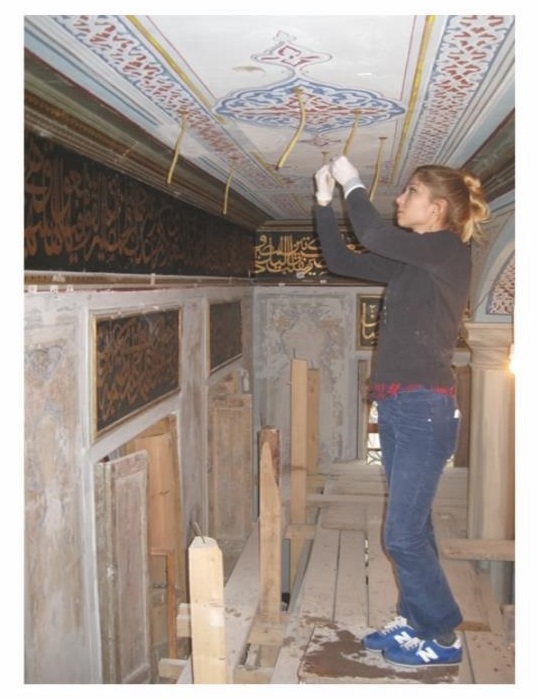
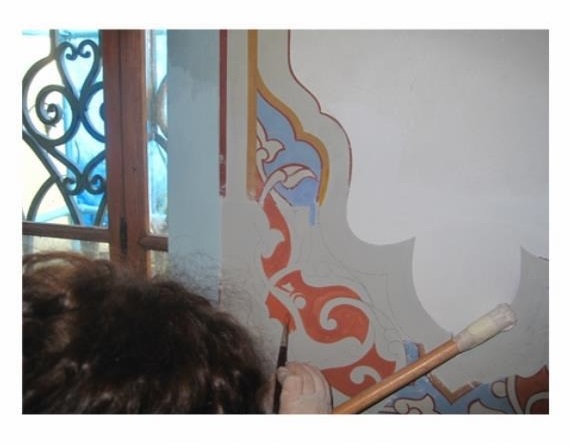
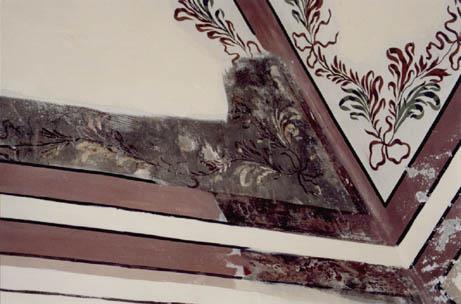
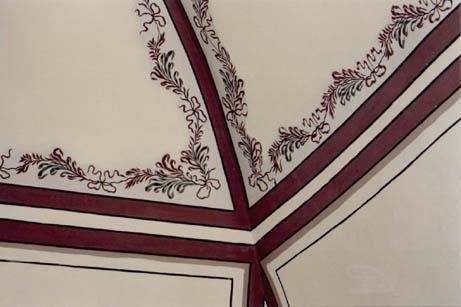
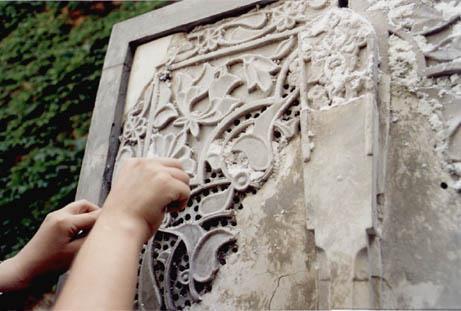
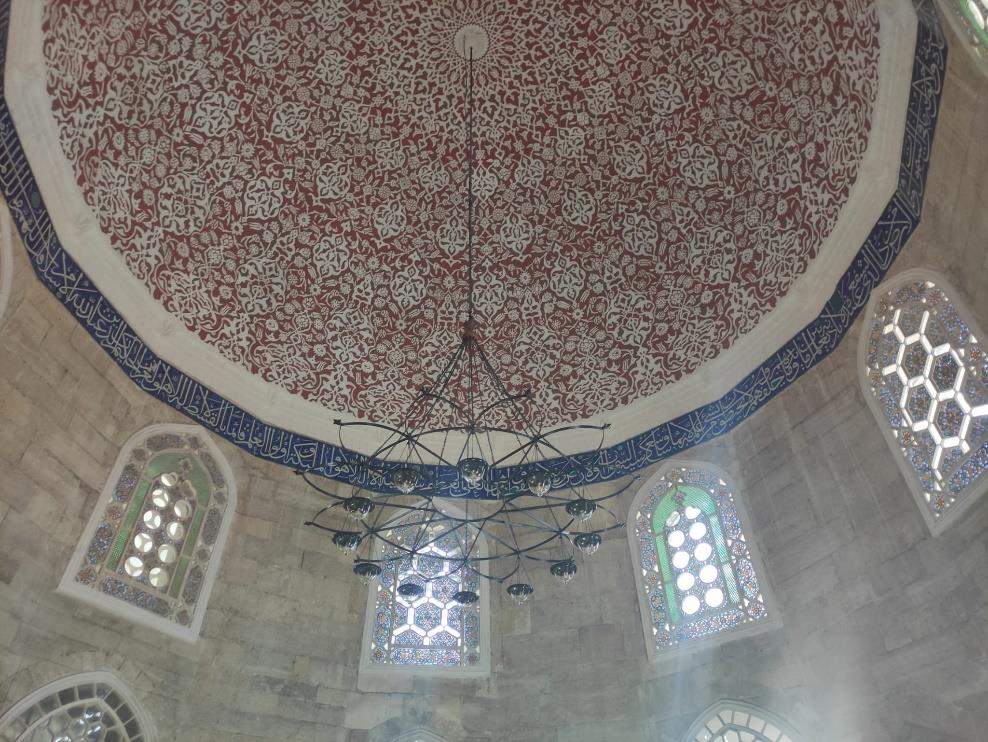
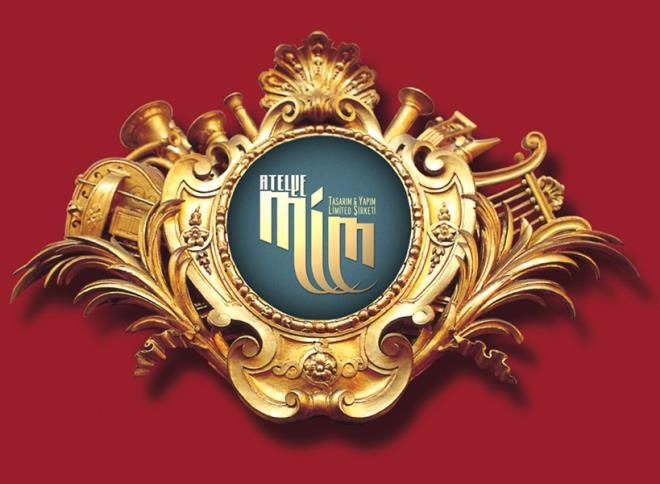
During the restoration of the mausoleum, established between 997-1003 AH (1589-1595) in Ahmet Çelebi neighbourhood, Doğancılar, its dome was meticulously renewed both inside and out. The interior ornamentation was examined in terms of its historical periods and restored in accordance with the original.

  • Üsküdar, Istanbul
  • Istanbul Governorship Investment Monitoring and Coordination Directorate

Landscape Works 2015

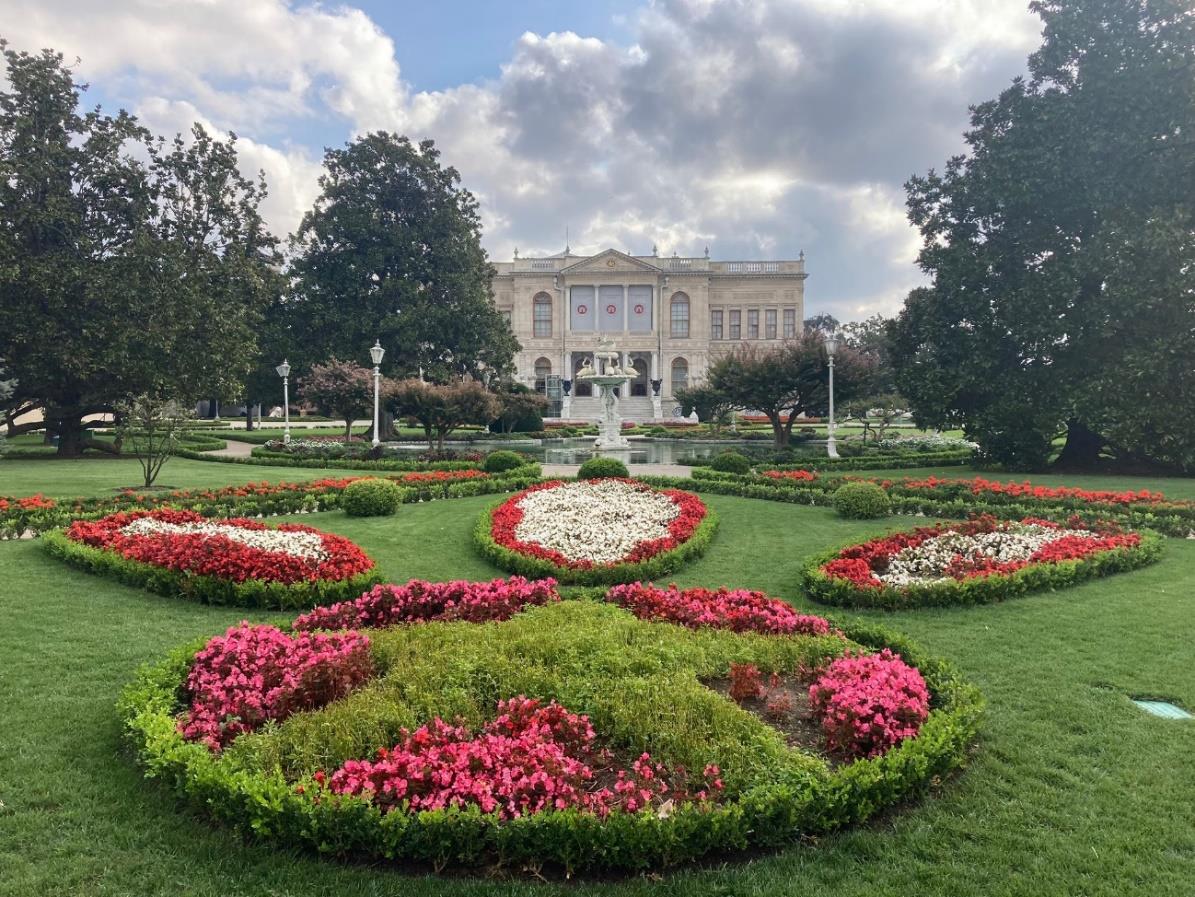
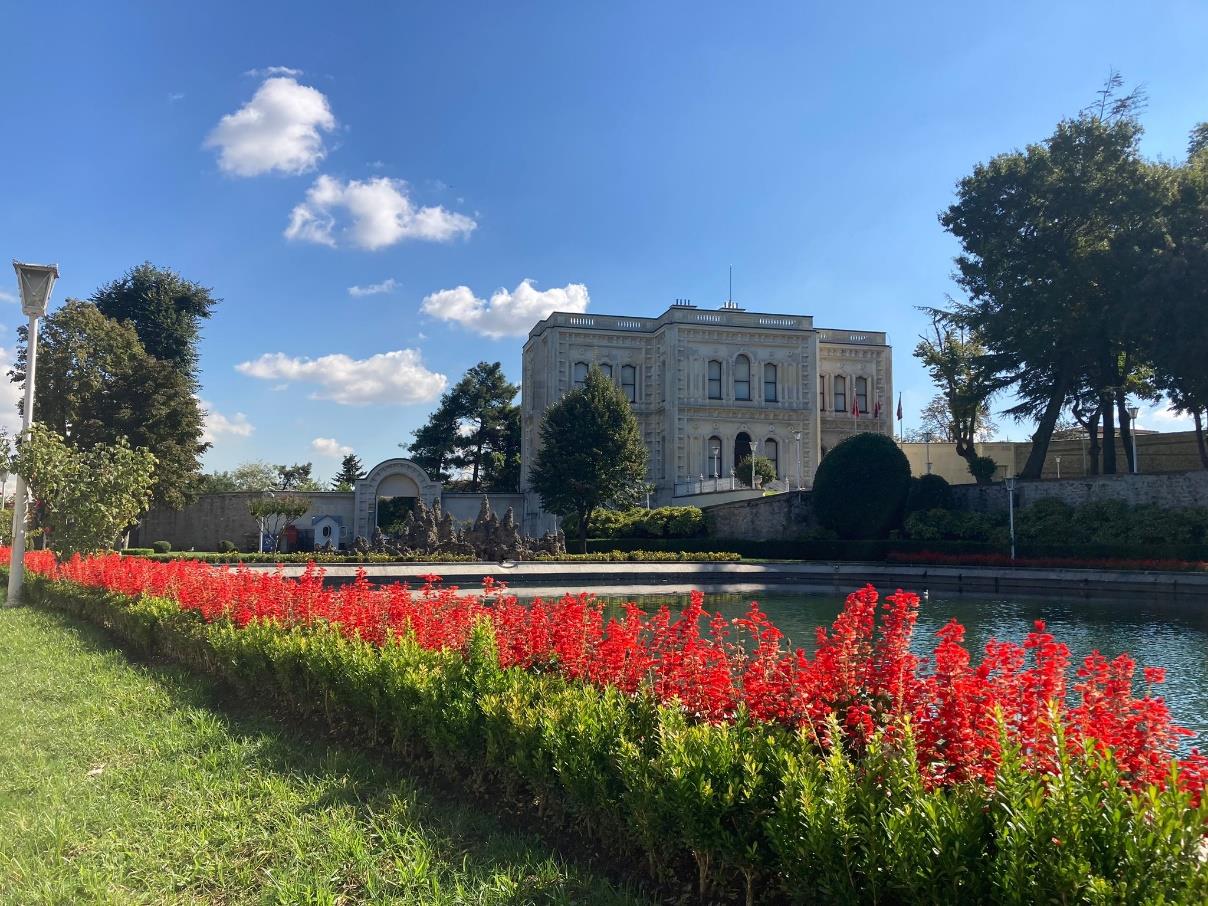
Beykoz Pavilion Landscape Works

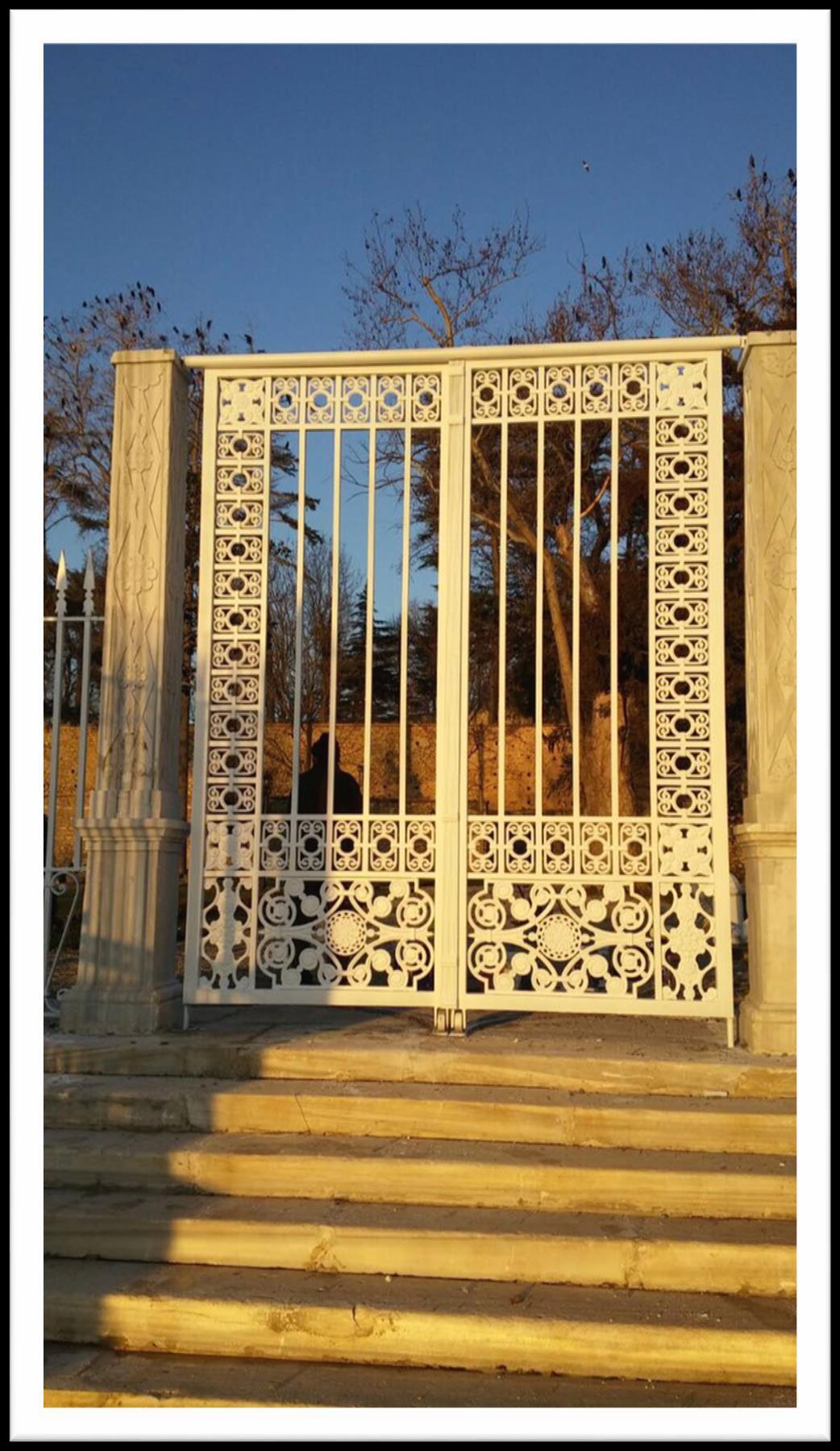
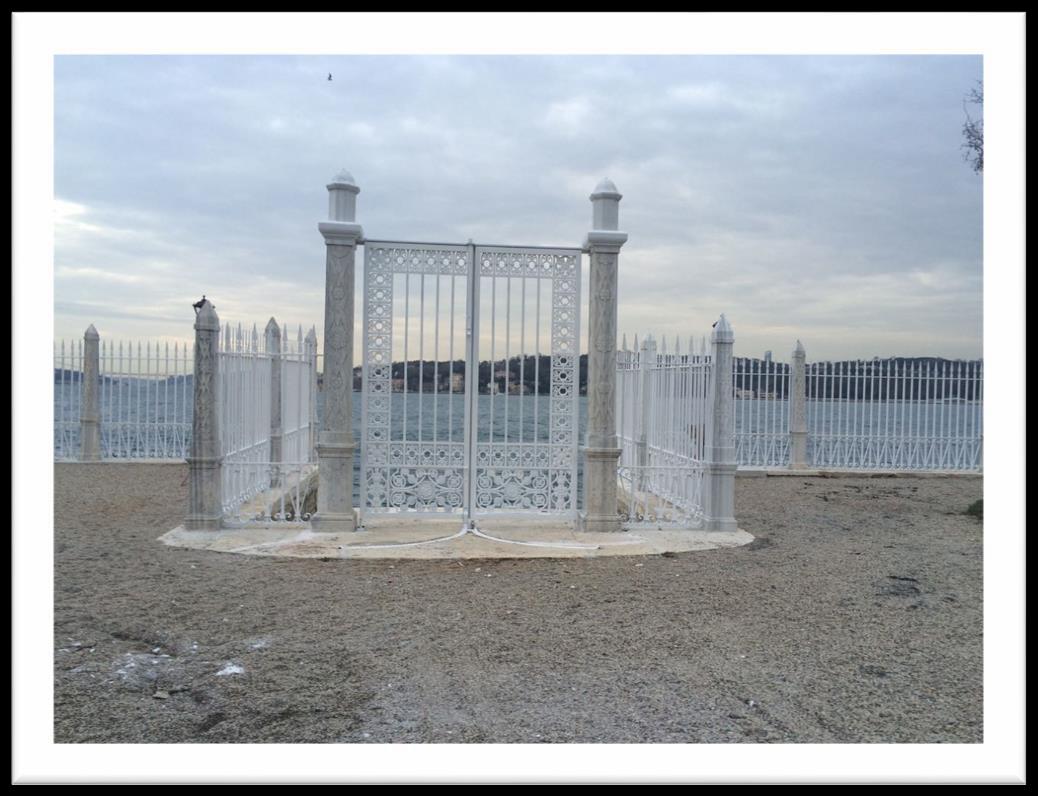
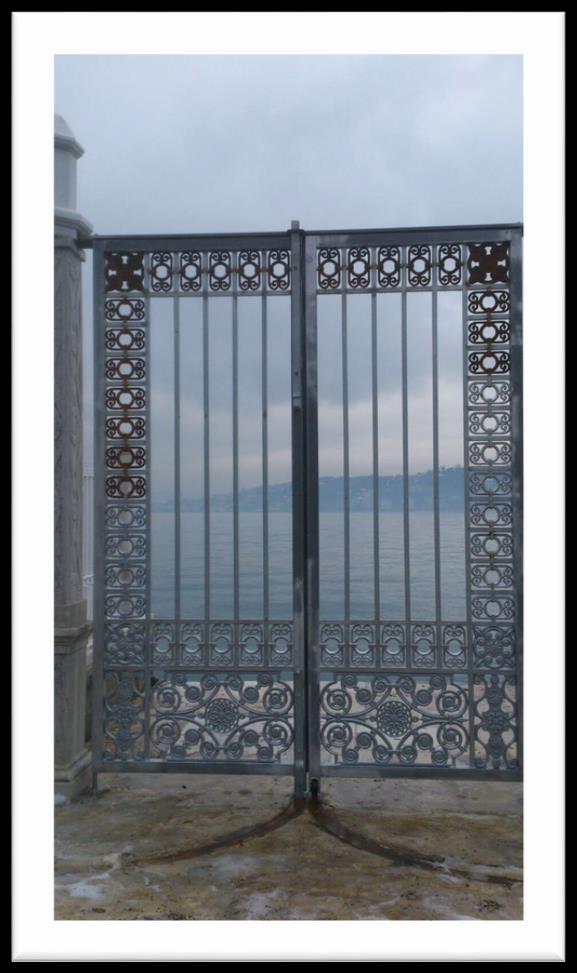
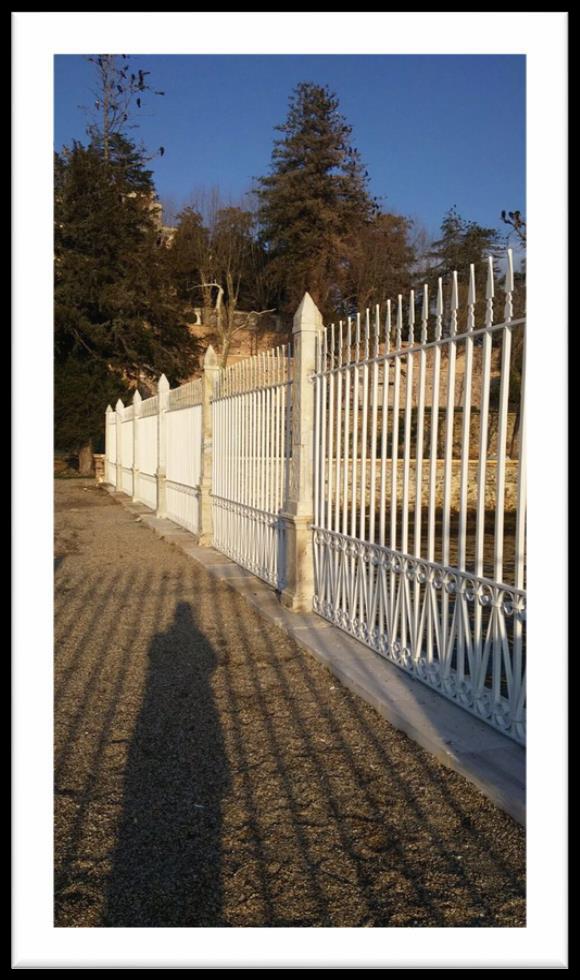
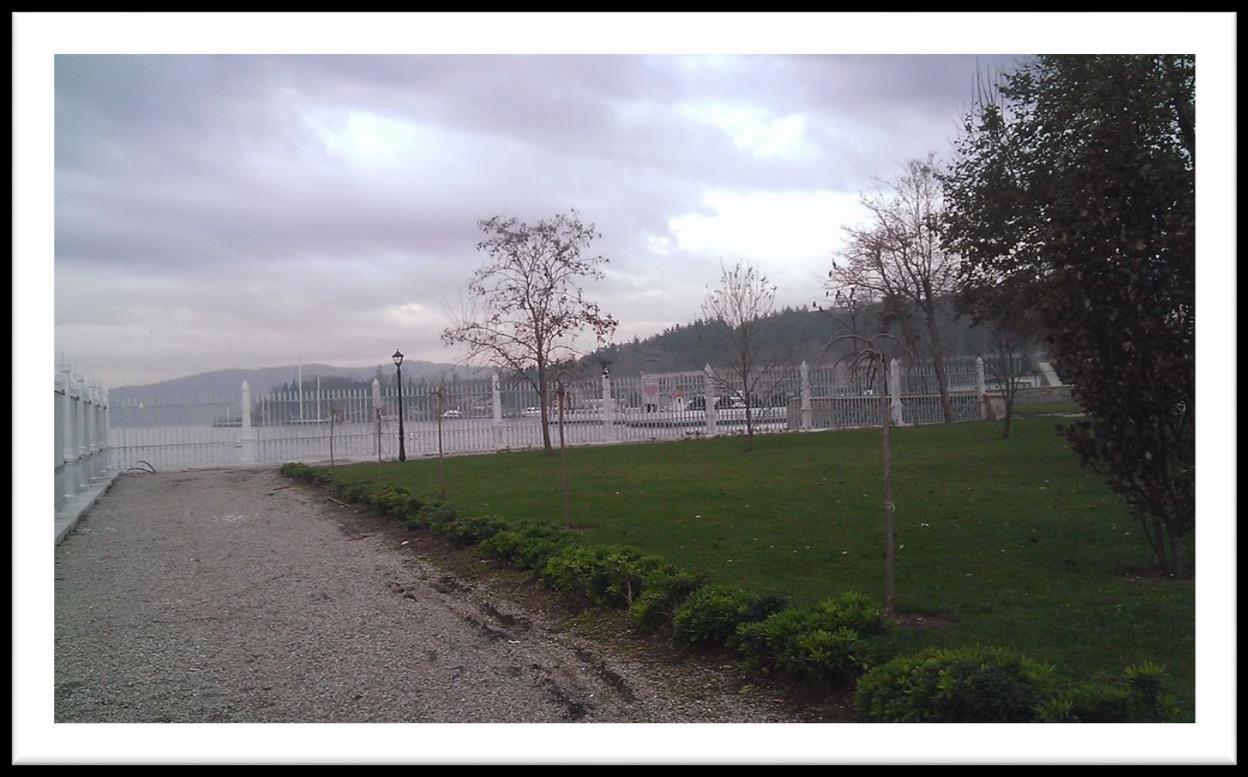
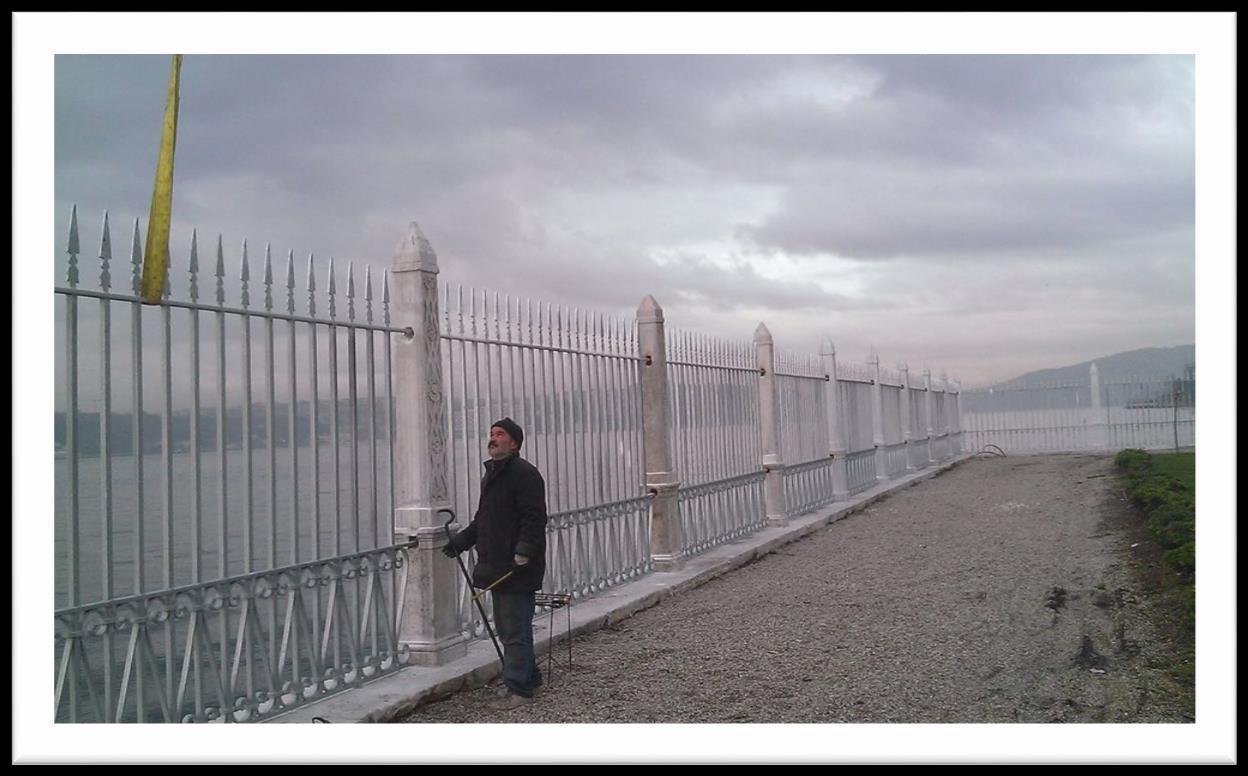
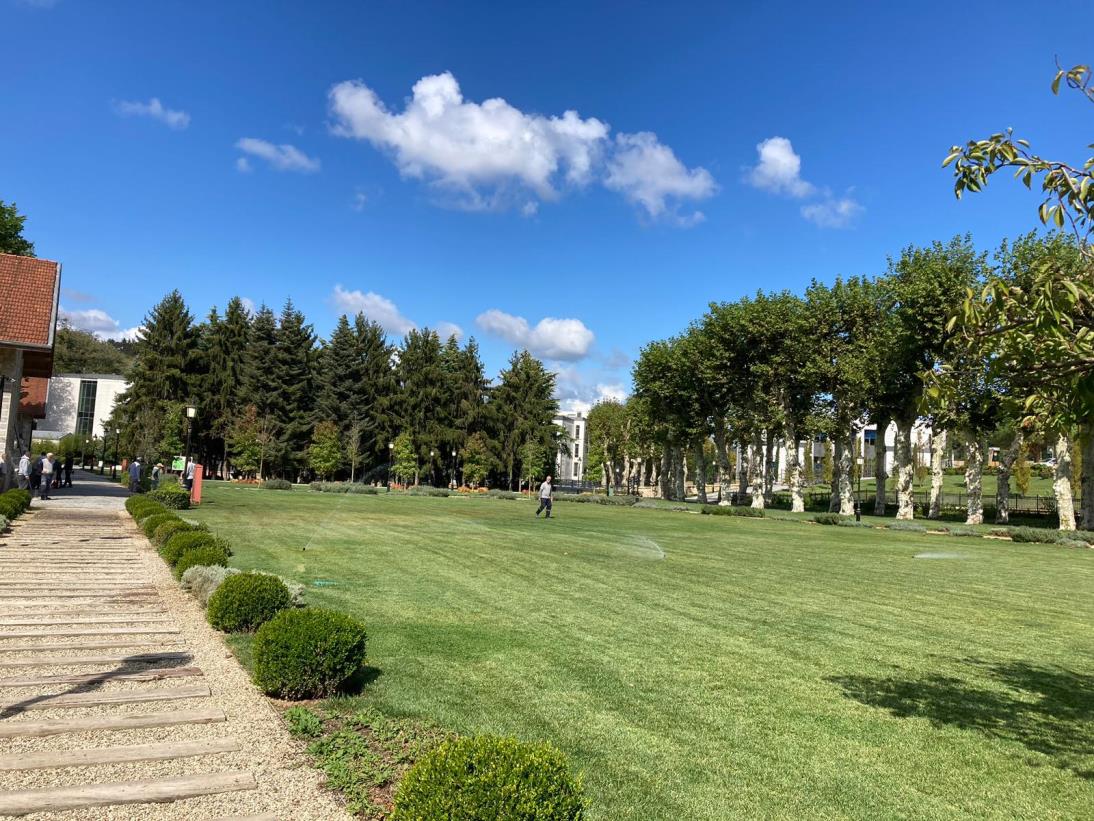
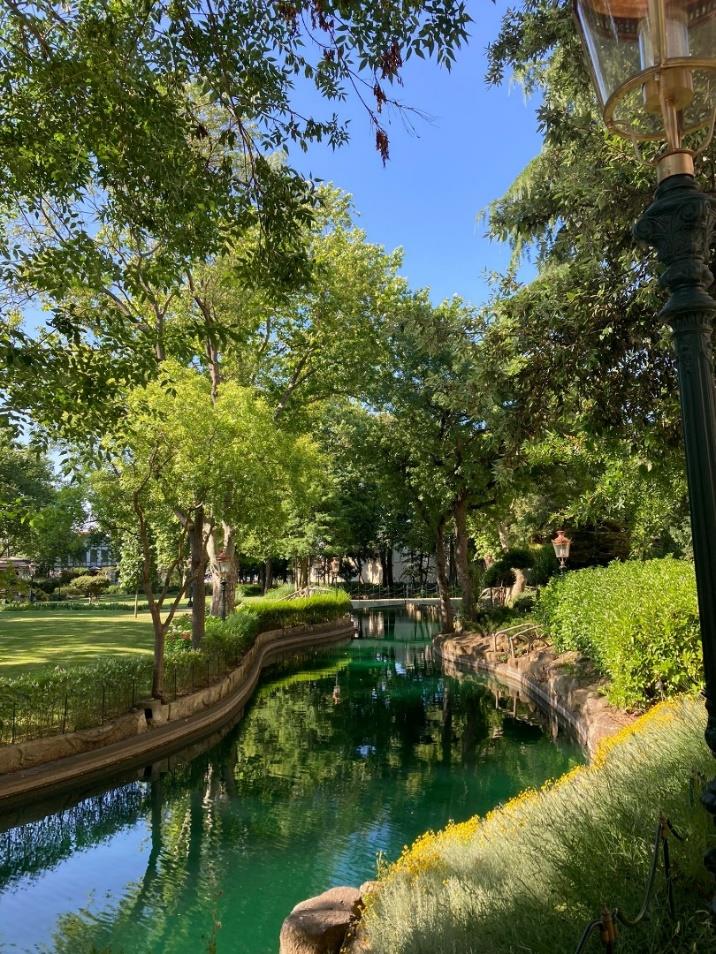
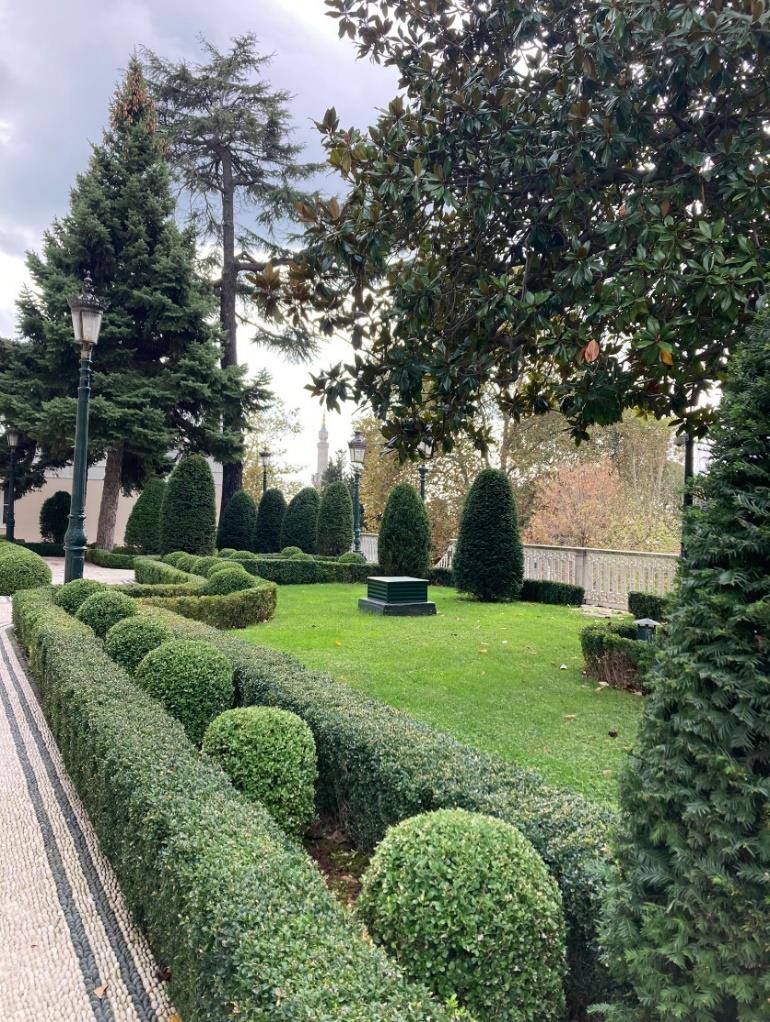
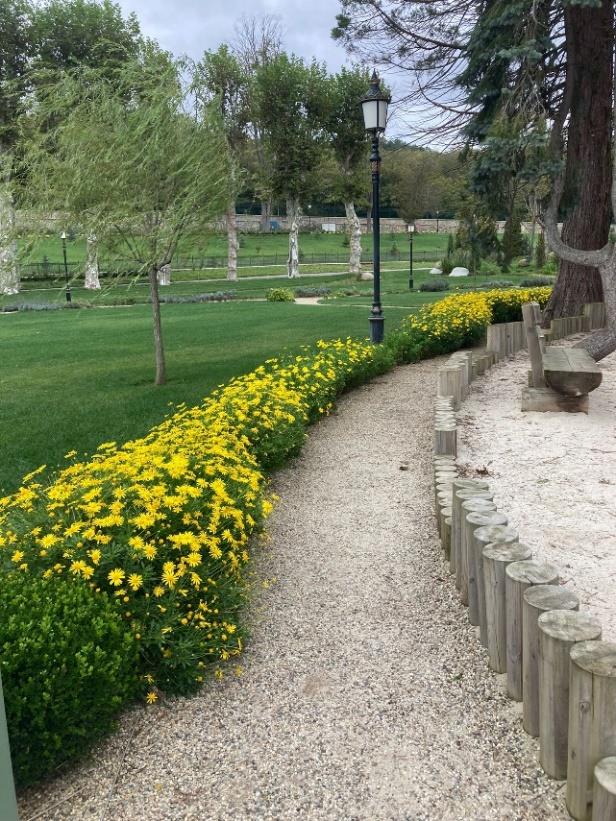
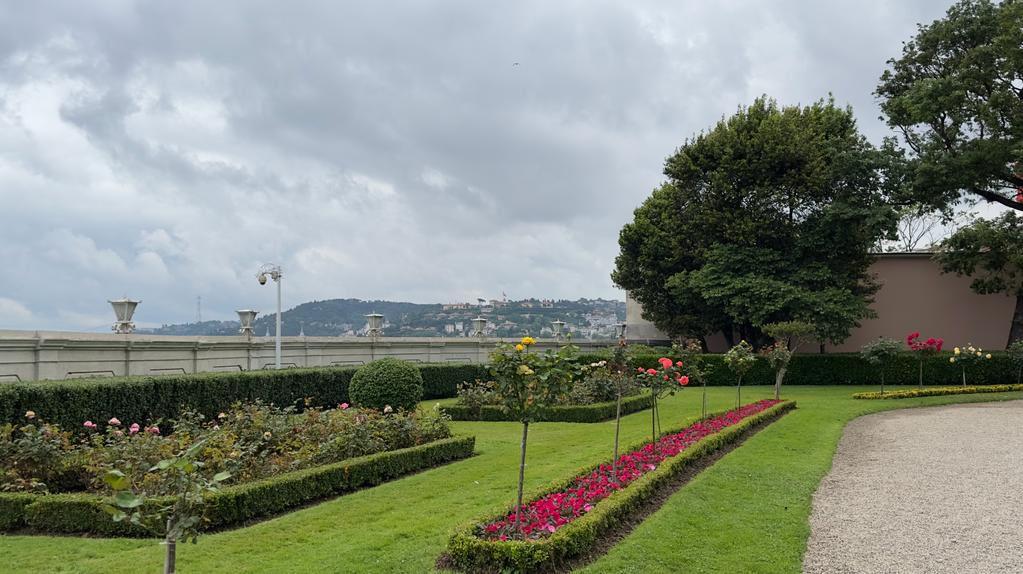
Within the Beykoz Pavilion landscape works, marble bollard installation and the fabrication of iron gates and railings were carried out.

  • Beykoz, Istanbul
  • Grand National Assembly of Türkiye Secretariat General

Restoration 2018

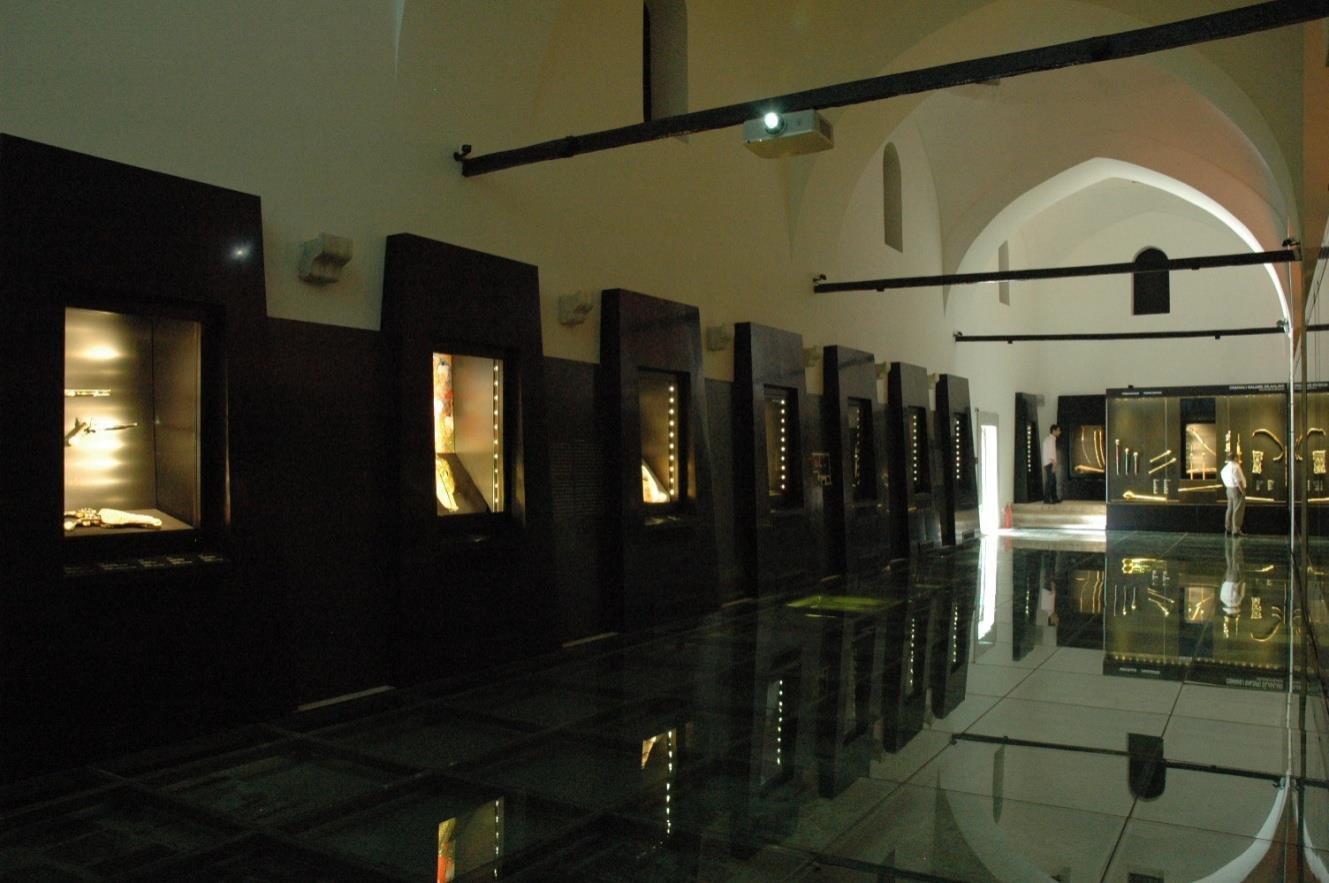
Alican Mansion Restoration

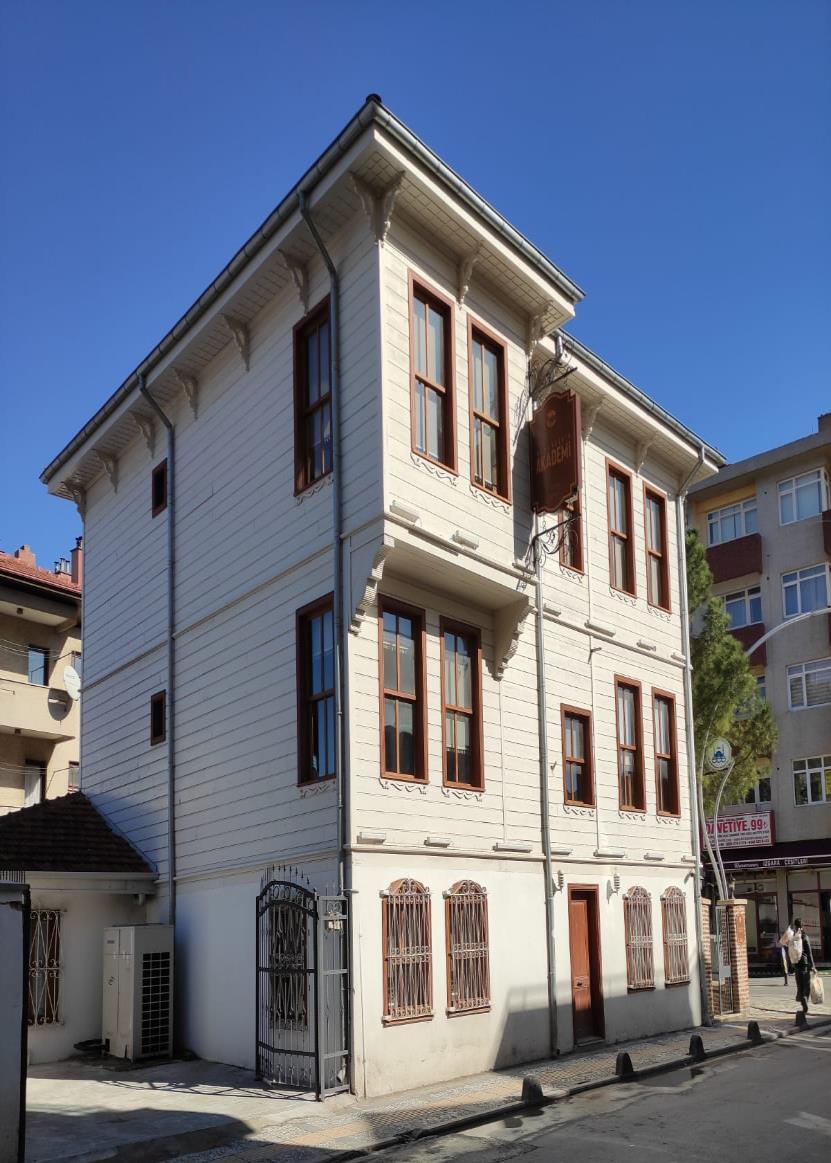
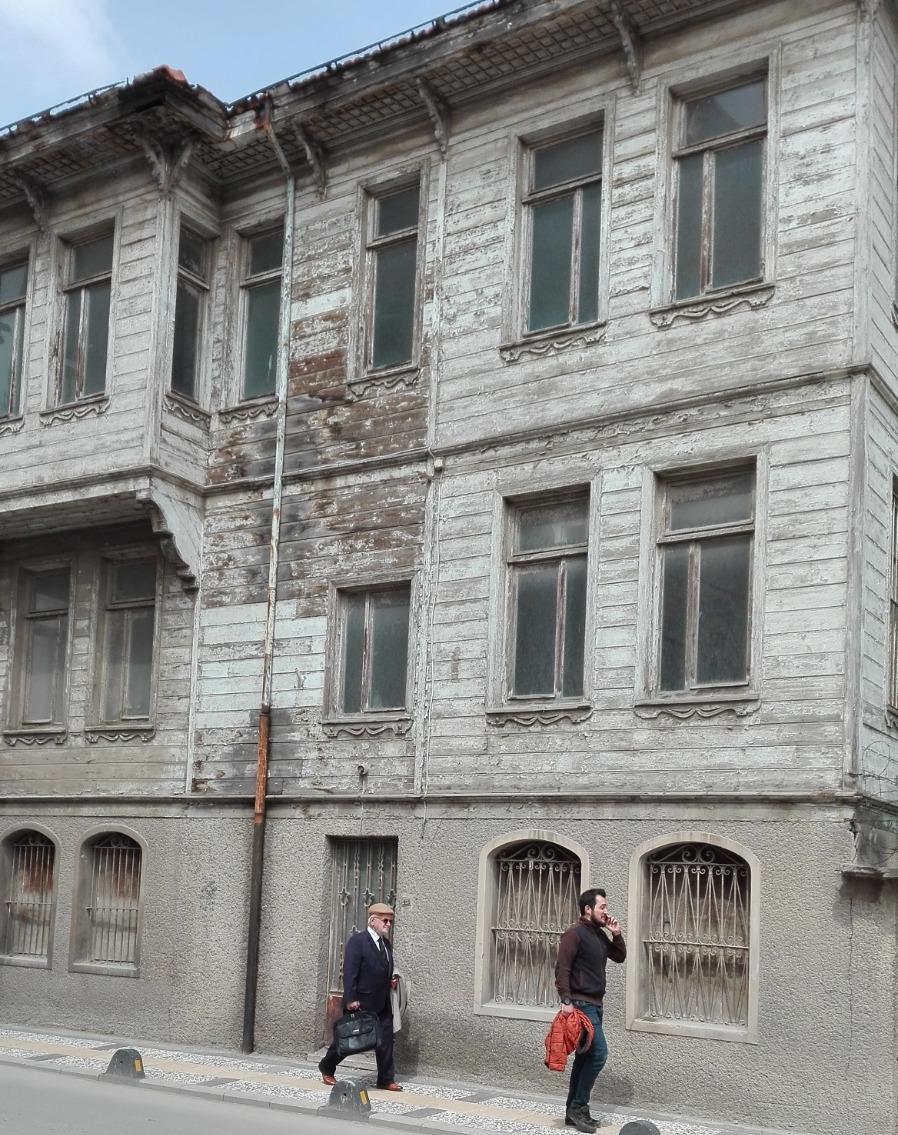
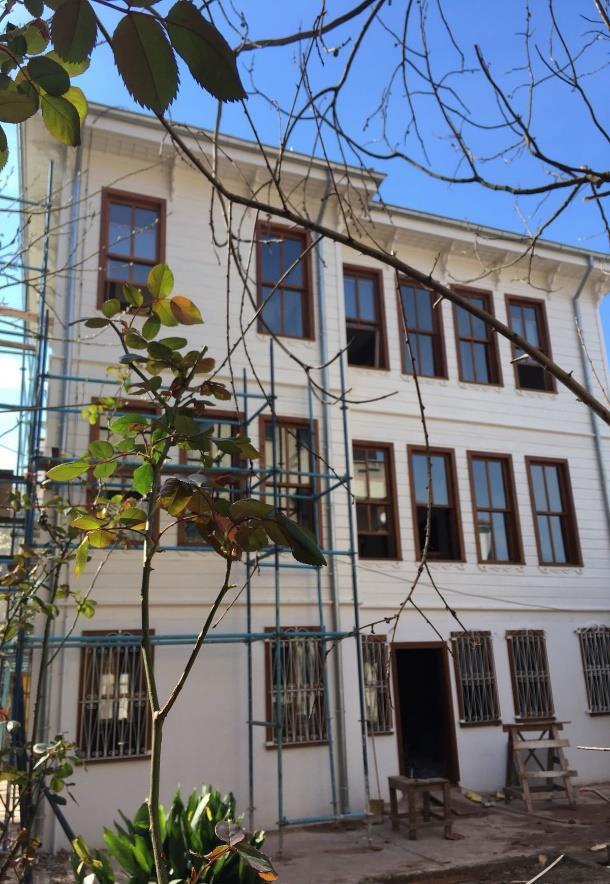
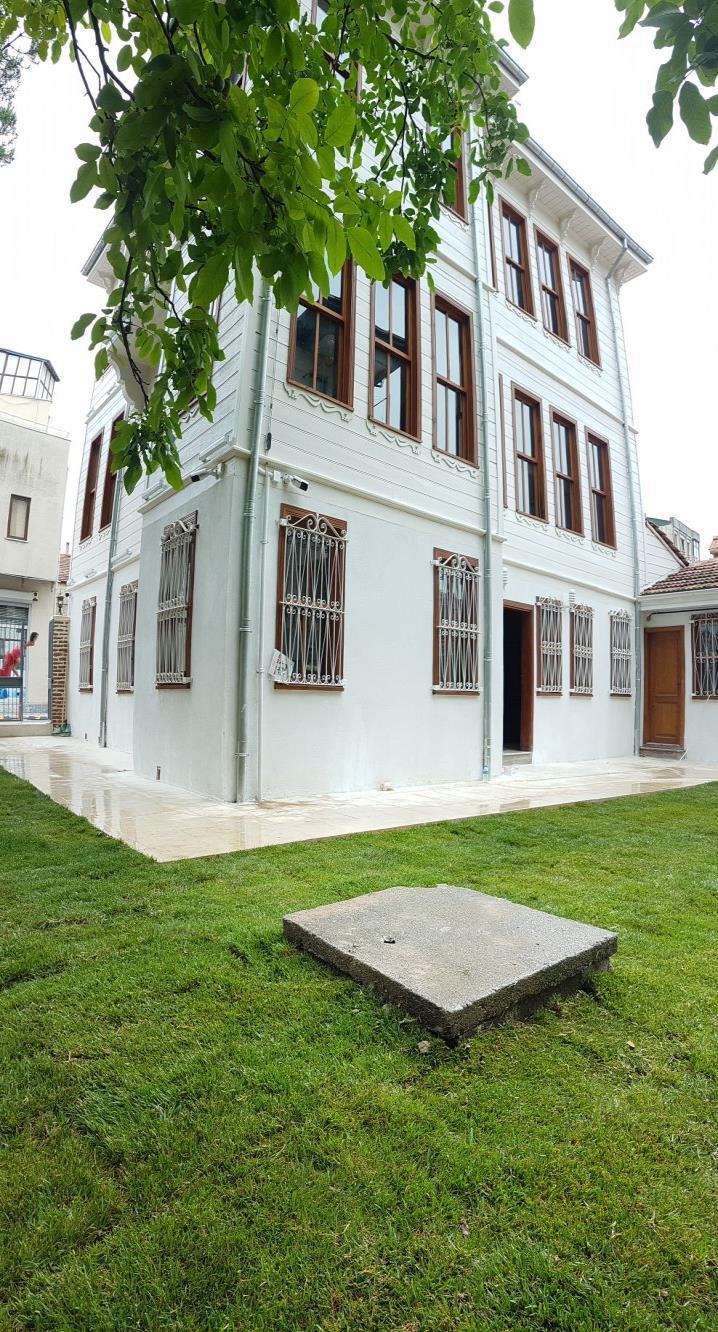
Comprehensively repaired by the Public Works department of Sakarya Metropolitan Municipality, the mansion hosts various cultural and social projects.
  • Adapazarı, Sakarya
  • Sakarya Metropolitan Municipality, Department of Public Works

Restoration 2021

Sarıkum Mosque Restoration

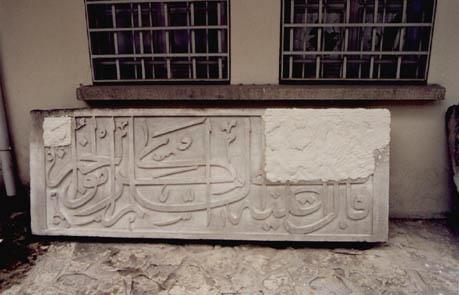
Sarıkum Mosque is recorded in the Culture Portal inventory as a nineteenth-century Ottoman neighborhood mosque of near-square plan with a short minaret; the survival of its original construction inscription together with repair inscriptions from the reign of Abdülmecid makes its layered building history especially legible.
  • Karamürsel, Kocaeli
  • Istanbul Foundations 2nd Regional Directorate

Restoration 2023

Sokullu Mehmet Pasha Mausoleum Maintenance and Repair Works

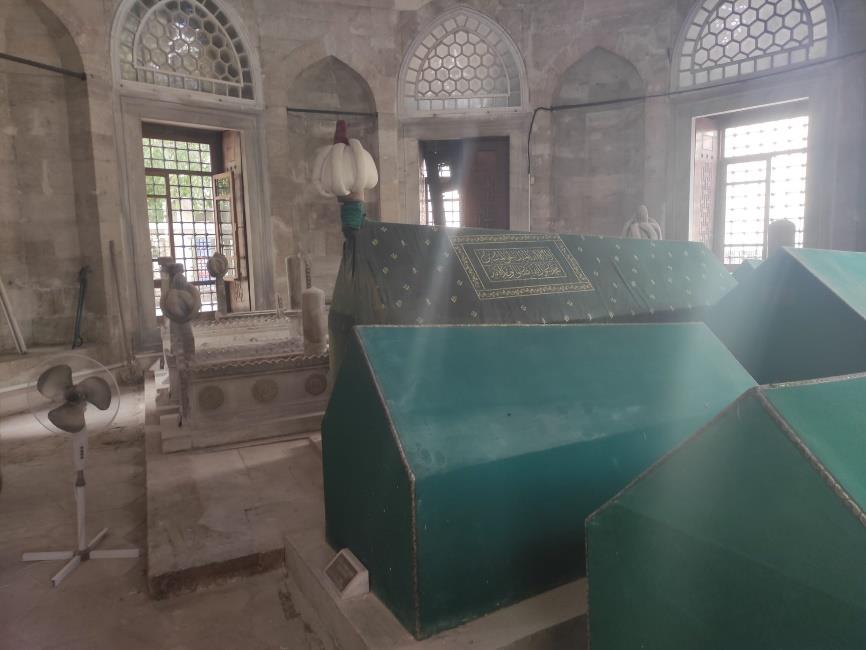
Two faces of the tomb front the street, and it stands on the same axis as the classroom of the madrasa. In its interior, eight round niches are set into the corners of the octagon. With seven windows and a door opened between these niches, the octagonal prismatic body is transformed into a sixteen-sided one.

  • Istanbul
  • Ministry of Culture and Tourism - Istanbul Survey and Monuments Directorate